News & Blog
Exploring the Enigmatic World of Rare Santhal Folk Paintings from Bengal.
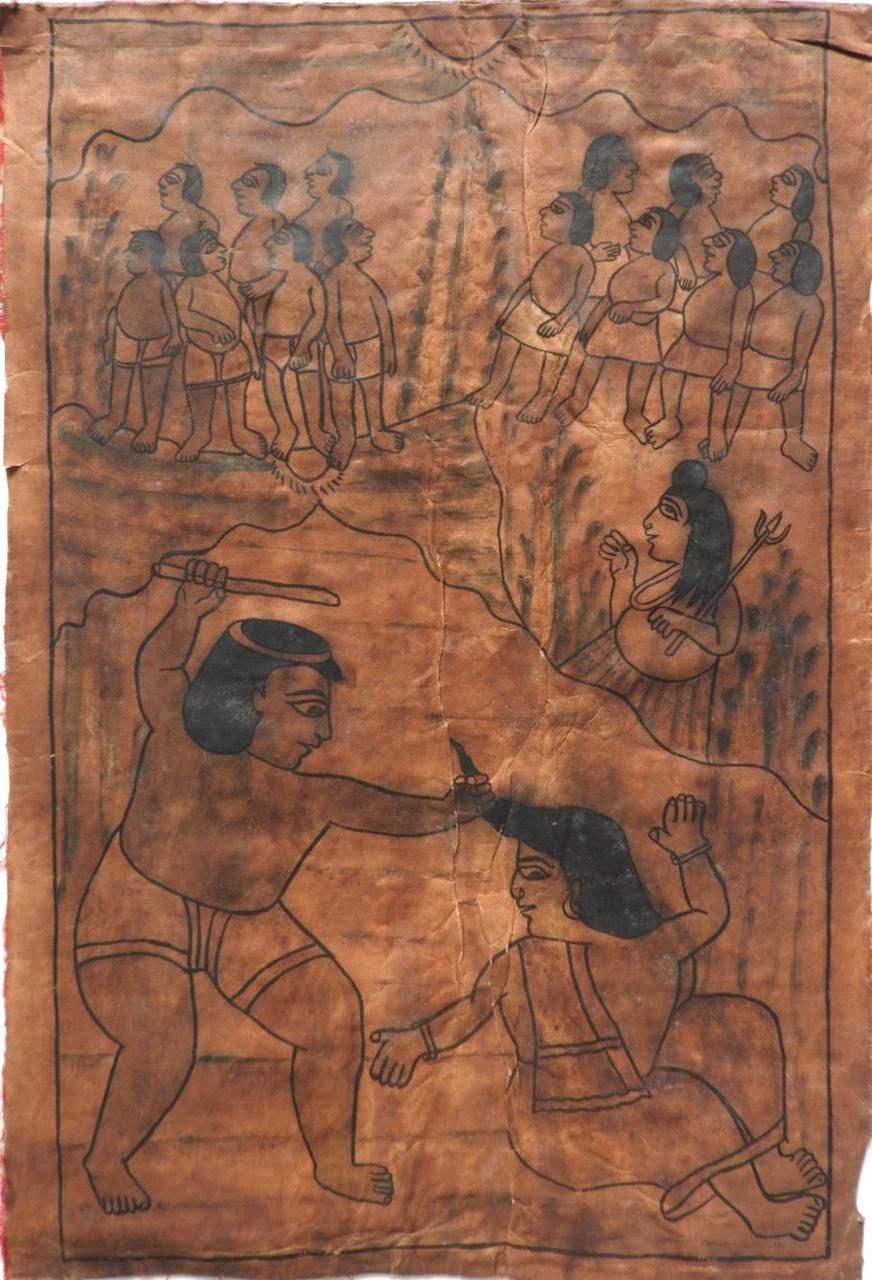
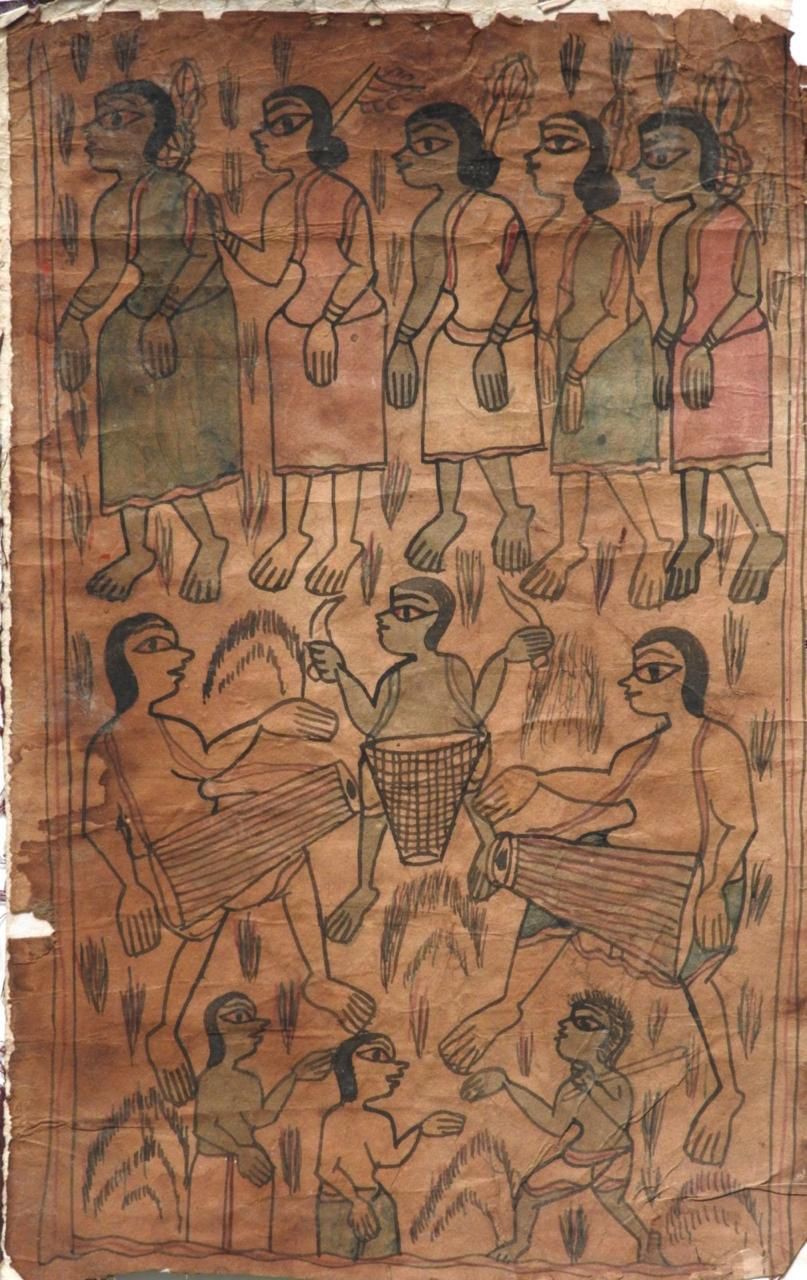
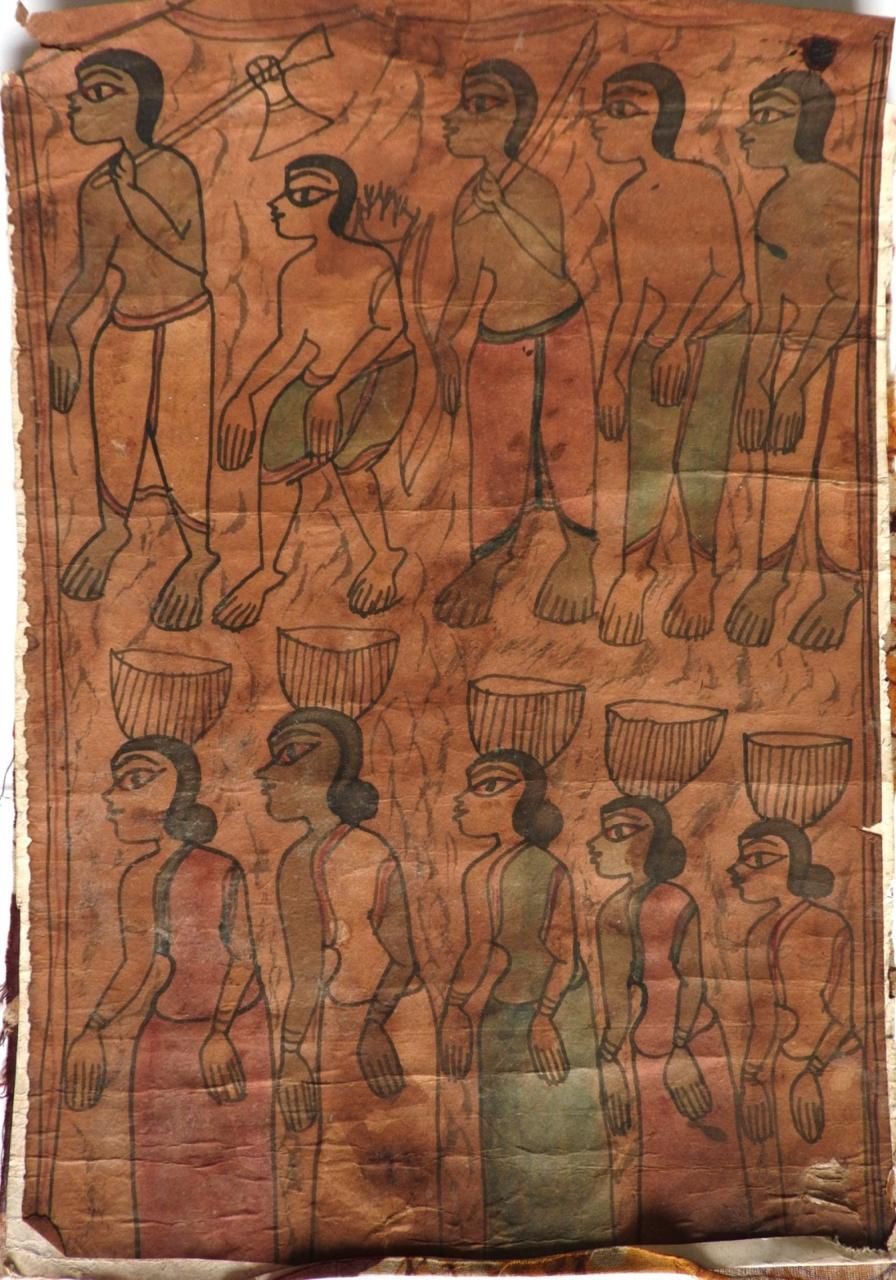
Art is a universal language that transcends boundaries and encapsulates the essence of diverse cultures. Within India's rich tapestry of artistic heritage lies a hidden gem - the rare and elusive Santhal folk paintings from Bengal. These exquisite artworks serve as a window into the cultural ethos, beliefs, and traditions of the Santhal community, enriching our understanding of their way of life. In this reflective essay, we delve into the enigmatic world of Santhal folk paintings, unravelling the historical significance, artistic nuances, themes, and challenges surrounding these precious artistic expressions.
Historical Context and Cultural Significance:
The Santhal tribe, indigenous to the eastern regions of India, boasts a vibrant cultural heritage steeped in age-old traditions and customs. Santhal folk paintings, often referred to as "Chitrakathi," stand as testimonies to the tribe's intimate connection with nature, spiritual beliefs, and ancestral narratives. These paintings, adorned with vibrant hues and intricate patterns, not only serve as decorative pieces but also as visual narratives that preserve the collective memory and folklore of the Santhal community. Through their art, the Santhal people communicate stories of resilience, unity, and harmony, reflecting the ethos of their rich cultural tapestry.
The creation of Santhal folk paintings is a painstaking process that demands meticulous attention to detail and a profound understanding of symbolic imagery. Artists utilize a unique blend of geometric shapes, bold colors, and stylized forms to breathe life into their narratives. The art of Santhal paintings is characterized by its simplicity and yet, its profound aesthetic allure. By employing techniques such as line drawing, stippling, and intricate patterning, artists infuse their works with a sense of vibrancy and dynamism that captivates the viewer's imagination.
Santhal folk paintings encapsulate a diverse range of themes that reflect the daily lives, beliefs, and mythologies of the Santhal tribe. Themes revolving around nature, tribal rituals, deities, and ancestral legends are commonly depicted in these artworks, providing a holistic view of Santhal culture. Each brushstroke and motif in a Santhal painting carries symbolic significance, weaving together a narrative that transcends mere visual representation. The artworks serve as visual storytelling devices, offering insight into the spiritual beliefs, kinship ties, and cultural practices of the Santhal people.
Challenges in Preservation and Revival:
Despite their cultural significance, Santhal folk paintings are confronting numerous challenges that threaten their preservation and dissemination to wider audiences. The lack of institutional support, dwindling numbers of skilled artisans, and the encroachment of modern influences pose significant obstacles to the survival of this indigenous art form. In an era marked by rapid globalization and commercialization, the traditional art forms of indigenous communities like the Santhal are at risk of fading into obscurity.
In conclusion, Santhal folk paintings from Bengal stand as testament to the enduring cultural legacy of the Santhal tribe, encapsulating stories of resilience, tradition, and identity. The intrinsic beauty and cultural richness embedded within these artworks serve as a poignant reminder of the need to preserve and celebrate India's diverse artistic heritage. By fostering awareness, providing support to indigenous artists, and promoting cultural exchange, we can ensure the continued vibrancy and vitality of rare Santhal folk paintings, thereby honoring the legacy of the Santhal community for generations to come.
——————-
#SanthalArt #folkart #indianfolkart #tribalart #indiantribalart #highlights #followerseveryone