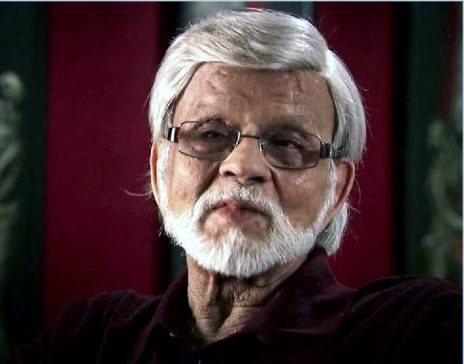
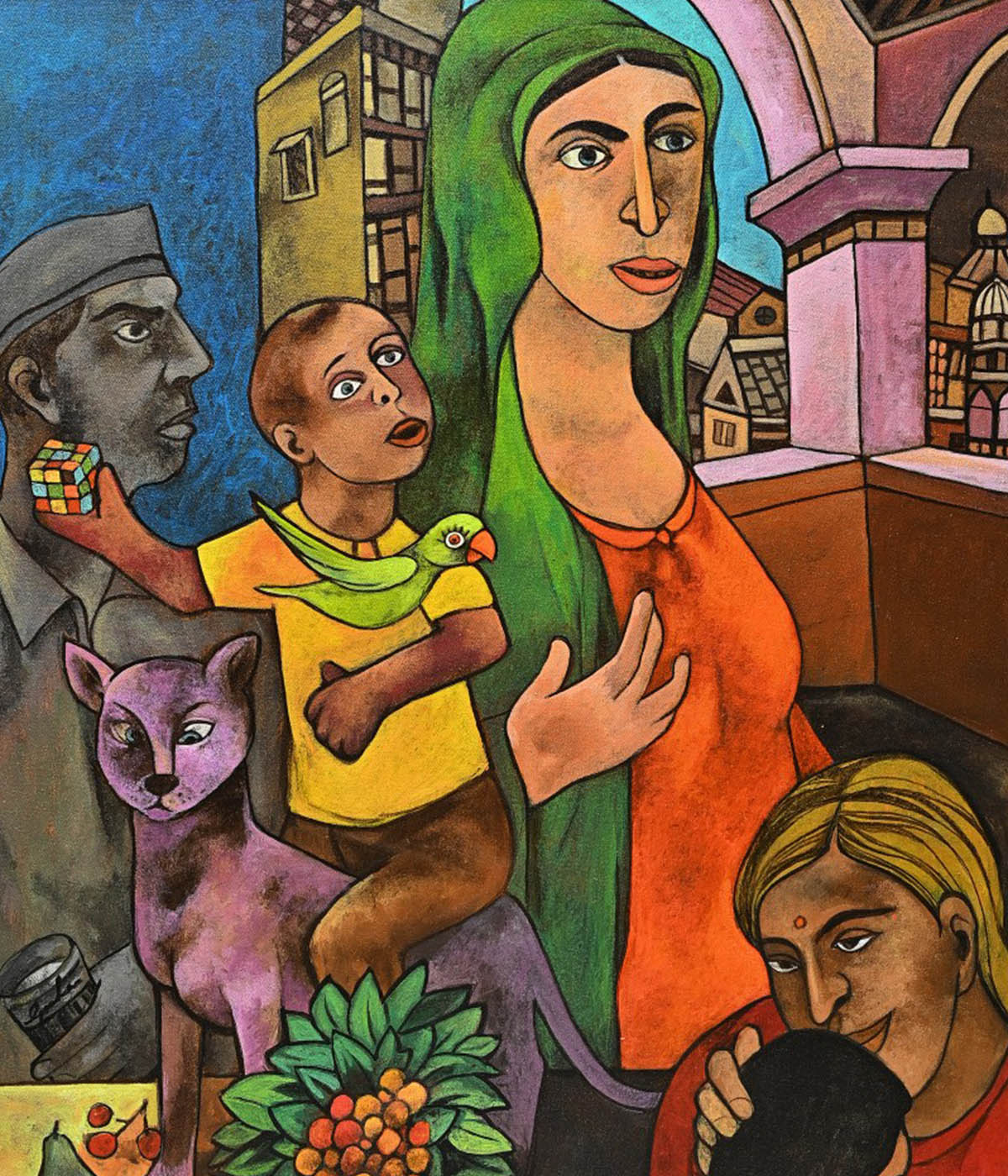
Satish Gujral was one of the most versatile and influential figures in modern Indian art. Over a career spanning more than seven decades, he worked as a painter, sculptor, muralist, printmaker, designer, writer, and architect. His practice developed through a sustained engagement with history, material, memory, and the human condition, making him a distinctive voice within post-Independence Indian modernism.
Born on 25 December 1925 in Jhelum, then in undivided Punjab and now in Pakistan, Gujral experienced a serious childhood accident that resulted in a prolonged loss of hearing. Drawing became an important means of communication and self-expression during his early years. He joined the Mayo School of Art, Lahore, in 1939, and later studied at the Sir J. J. School of Art, Bombay, although illness prevented him from completing the course.
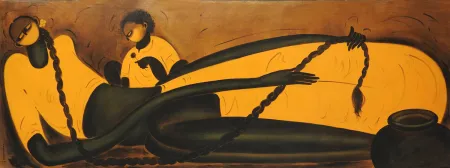
The violence and displacement of the Partition of India in 1947 had a profound impact on Gujral’s artistic development. His early paintings and drawings examined grief, migration, loss, and the psychological effects of historical trauma. Rather than treating Partition as a distant political event, he represented it through burdened bodies, compressed spaces, and emotionally charged figures. These works remain among the most powerful visual responses to displacement in modern Indian art.
In 1952, Gujral received a scholarship to study at the Palacio de Bellas Artes in Mexico City, where he worked in the artistic environment shaped by muralists such as Diego Rivera and David Alfaro Siqueiros. His experience in Mexico expanded his understanding of mural painting, public art, scale, and the relationship between artistic form and social history. He absorbed the expressive possibilities of Mexican muralism without merely imitating it, adapting its monumentality to his own historical and cultural concerns.
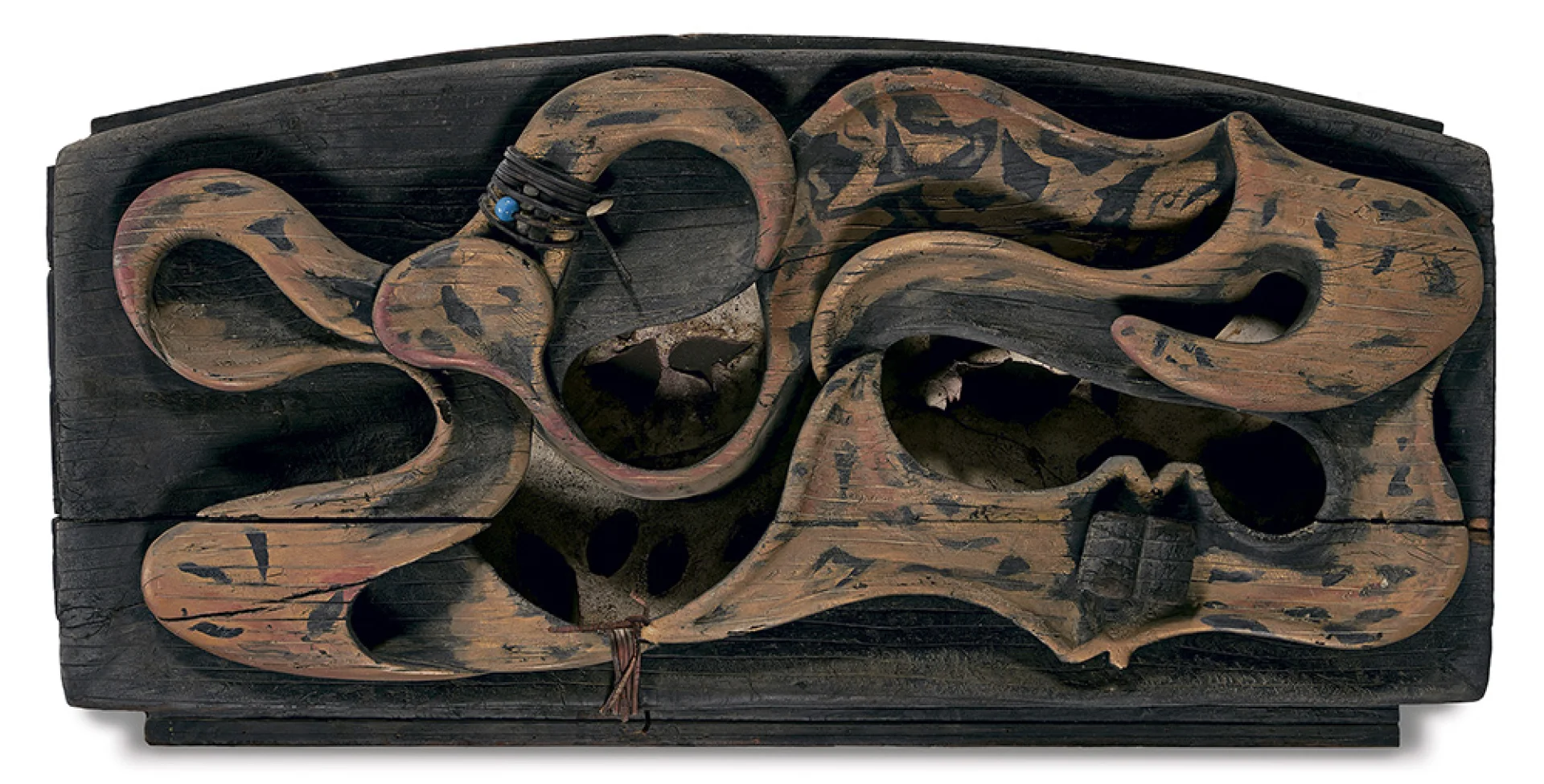
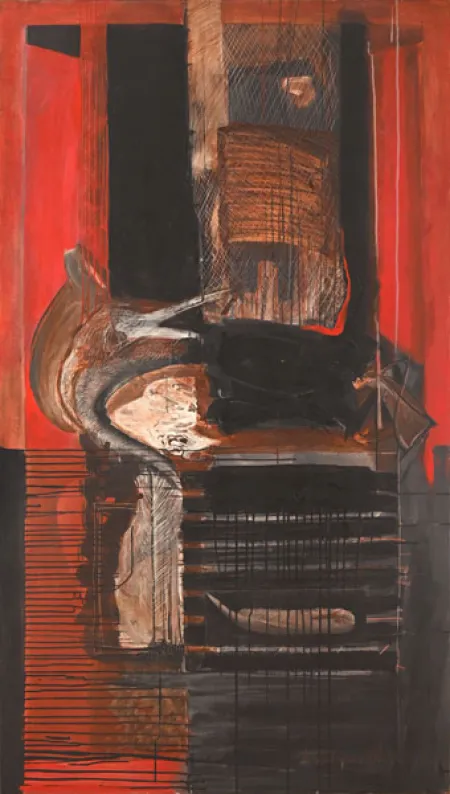
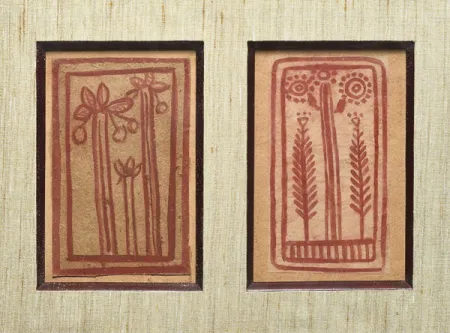
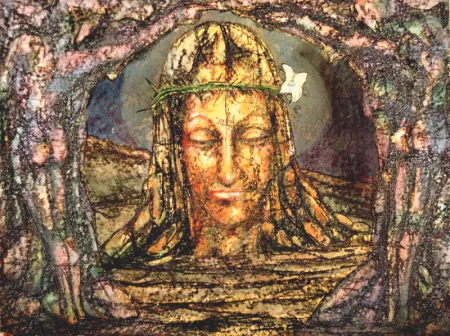
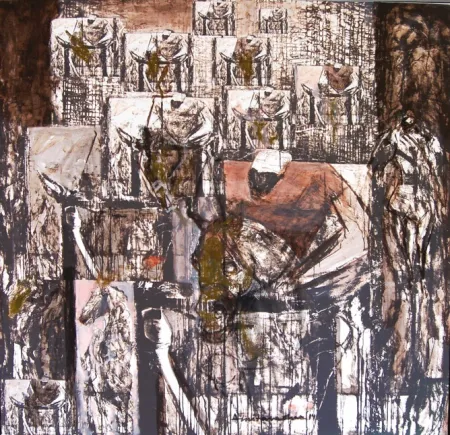
Gujral’s work resists classification within a single style or medium. His early figurative paintings were marked by emotional intensity and strong modelling, while his later work became increasingly concerned with abstraction, surface, geometry, and material. He worked in oil, acrylic, burnt wood, metal, ceramic, stone, and mixed media, often moving freely between painting and sculpture. His reliefs and sculptural panels demonstrate a particular interest in weight, erosion, rupture, and the physical presence of material.
His sculpture developed through a sensitive balance of mass and movement. Human and animal forms were frequently simplified into compact, rhythmic structures, while later works often approached abstraction without entirely abandoning bodily reference. Whether working on an intimate or monumental scale, Gujral treated material as an active element carrying memory and emotion.
Architecture formed another major dimension of his creative practice. His design for the Embassy of Belgium in New Delhi is widely regarded as his architectural masterpiece. Conceived through brick, vaults, terraces, mass, and shadow, the building reflects a sculptor’s understanding of space rather than a conventional application of architectural style. His buildings demonstrate continuity with his murals and sculptures: walls become relief surfaces, mass becomes expressive, and movement through space acquires emotional weight.
Gujral exhibited extensively in India and internationally, with presentations in New Delhi, Mumbai, New York, Montreal, Berlin, Tokyo, and other major centres. A major retrospective, Satish Gujral: A Retrospective 1948–2006, was held at the National Gallery of Modern Art, New Delhi, providing a broad assessment of his achievements across media.
Association with Aakriti Art Gallery
Satish Gujral maintained an important and sustained association with Aakriti Art Gallery, Kolkata. The gallery organised several major exhibitions devoted to his work and also published catalogues documenting his artistic journey. These initiatives formed part of Aakriti’s broader commitment to presenting and recording the achievements of leading modern Indian artists. He was represented by Aakriti Art Gallery, Kolkata.
In 2009, Aakriti Art Gallery presented a comprehensive exhibition Time's Whirlwind, surveying the breadth of Gujral’s practice. This was followed by the solo exhibition Eyes on Life in 2011, which focused on the reflective and evolving dimensions of his work. In 2015, the gallery organised The World of Satish Gujral to mark the artist’s ninetieth birth anniversary, bringing together works that reflected his achievements across painting, sculpture, and related disciplines.
Through these exhibitions and related publications, Aakriti Art Gallery contributed significantly to the documentation and renewed appreciation of Gujral’s multidisciplinary legacy, particularly among audiences and collectors in eastern India.
Honours and Legacy
Satish Gujral received numerous national and international honours, including the Padma Vibhushan in 1999, India’s second-highest civilian award. He also received recognition from the Lalit Kala Akademi and the Da Vinci Award for lifetime achievement from Mexico.
He died in New Delhi on 26 March 2020. His legacy lies in the remarkable unity he achieved across different artistic disciplines. Painting, sculpture, mural, and architecture were not separate activities for Gujral; each became part of a broader enquiry into form, history, space, and human experience.
Satish Gujral remains central to the study of modern Indian art because of his refusal to remain confined within a single medium or stylistic category. His work transformed personal adversity and historical trauma into an artistic language of exceptional material power, emotional depth, and formal imagination.