Aakriti Art Gallery Announces Ambitious Digital Ecosystem for Indian and South Asian Art
Kolkata, India —
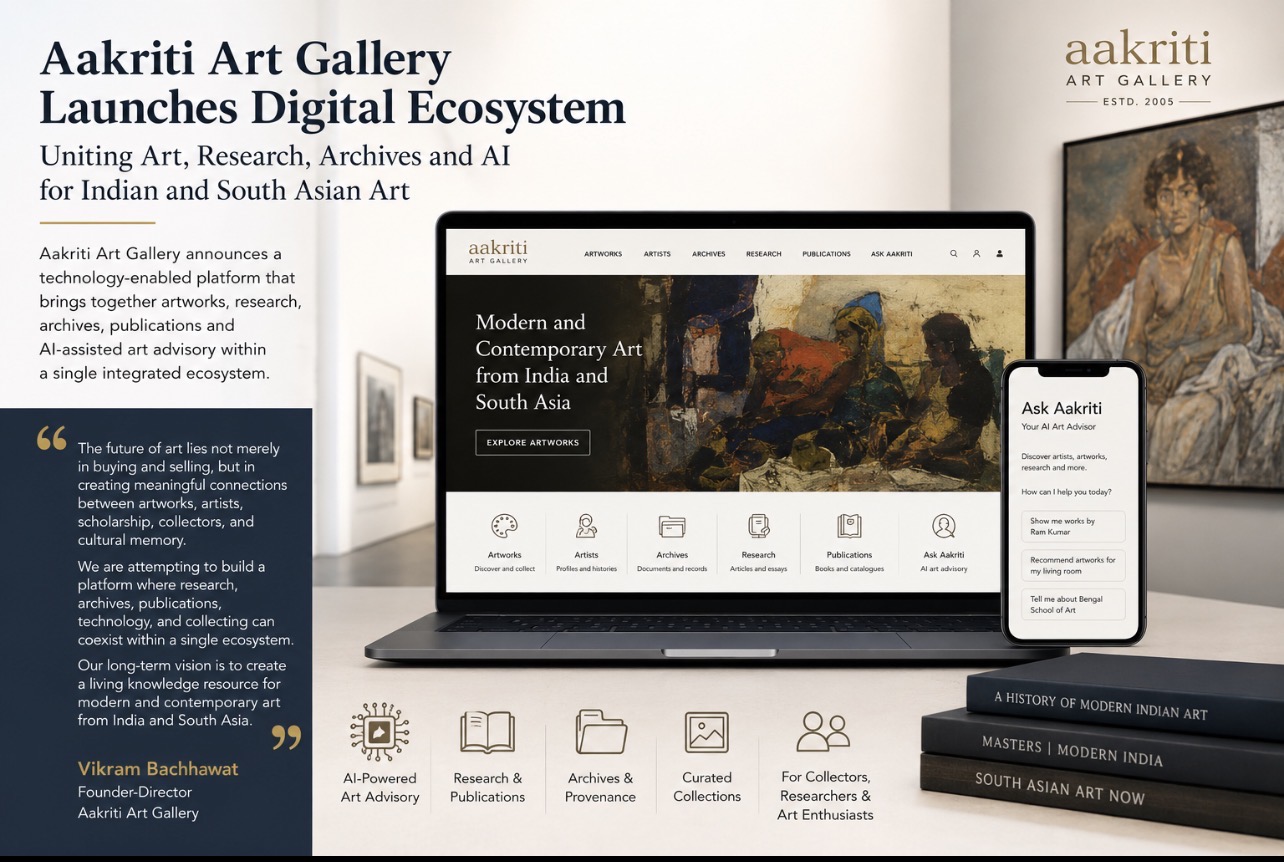
At a time when the global art world is increasingly embracing technology, Aakriti Art Gallery has unveiled plans for a comprehensive digital platform that seeks to redefine how modern and contemporary art from India and South Asia is discovered, researched, collected, and understood.
The initiative represents one of the most ambitious technology-driven projects undertaken by an Indian art gallery, combining artworks, artist archives, research resources, publications, exhibition histories, and AI-assisted art advisory services within a single integrated ecosystem.
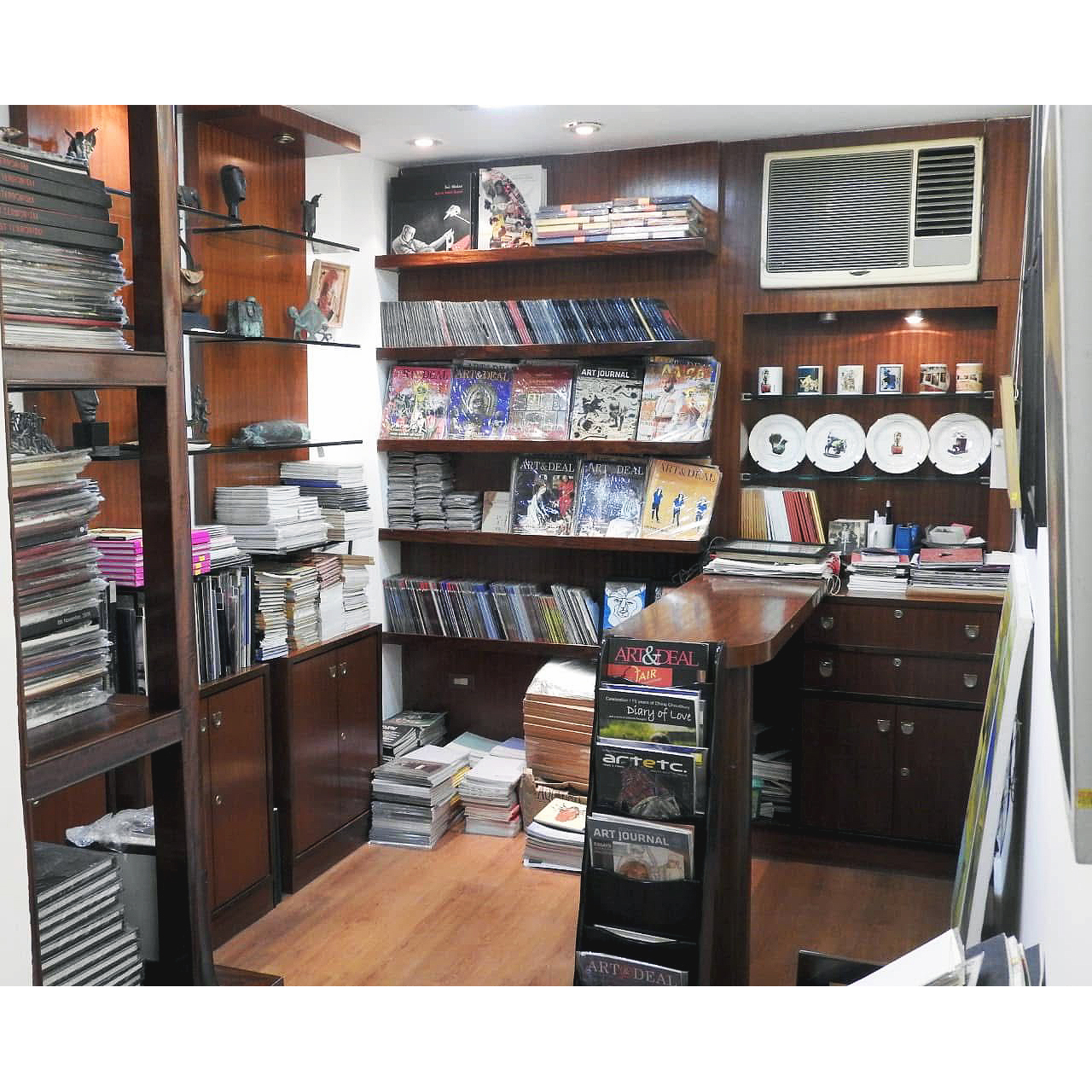
Founded in 2005, Aakriti Art Gallery has established itself as one of India’s leading platforms for modern and contemporary art. Over the past two decades, the gallery has organized significant exhibitions, published scholarly catalogues and books, and worked extensively to promote both established masters and emerging artists. The new digital initiative aims to extend that commitment beyond the physical gallery space.
Unlike conventional online art marketplaces that focus primarily on transactions, Aakriti’s vision is centred on knowledge, context, and long-term engagement. The platform is being developed as a resource for collectors, researchers, students, institutions, artists, and art enthusiasts, providing access not only to artworks but also to the scholarship and documentation that surround them.
A key feature of the project is the integration of artificial intelligence through “Ask Aakriti,” an AI-powered art advisory system designed to assist users in discovering artworks, learning about artists, exploring collecting opportunities, and navigating the gallery’s extensive archive.
“The future of art lies not merely in buying and selling, but in creating meaningful connections between artworks, artists, scholarship, collectors, and cultural memory,” said Vikram Bachhawat, Founder-Director of Aakriti Art Gallery. “We are attempting to build a platform where research, archives, publications, technology, and collecting can coexist within a single ecosystem. Our long-term vision is to create a living knowledge resource for modern and contemporary art from India and South Asia.”
The platform will also include artist profiles, provenance information, exhibition records, research articles, digital publications, and curated content intended to make art more accessible to a broader audience while maintaining scholarly rigour.
According to Aakriti Art Gallery, the long-term objective extends beyond creating a sales platform. The initiative seeks to build a digital knowledge repository for modern and contemporary art from India and South Asia, preserving information that is often scattered across catalogues, archives, private collections, and institutional records.
The project arrives at a significant moment for the Indian art market, which has experienced strong growth in recent years. Record-breaking auction sales, increasing domestic participation, and rising interest in art as a cultural asset have created demand for greater transparency, research, and accessibility within the ecosystem.
By bringing together technology, scholarship, publishing, and collecting within a single platform, Aakriti hopes to contribute to a more informed and connected art community.
As digital transformation continues to reshape cultural industries worldwide, initiatives such as this may signal a broader shift in how galleries operate in the future—not merely as spaces for exhibition and commerce, but as custodians of knowledge and facilitators of engagement.
If successful, Aakriti’s evolving ecosystem could become an important model for how technology can support the preservation, interpretation, and promotion of modern and contemporary art from India and South Asia in the decades ahead.
- Research & Compiled by Aakriti Art Gallery team



Comments
Join the Discussion
Please login to post comments.
Login