Buying Your First Indian Artwork
Painting, Print or Sculpture? What Every New Collector Should Know
The first artwork a person buys is rarely just an object.
It often marks the beginning of a new way of seeing.
Unlike purchasing furniture, jewellery, watches, or other luxury goods, buying art requires engagement with ideas, emotions, craftsmanship, history, and imagination. It is one of the few acquisitions that can continue to grow intellectually and emotionally long after the purchase has been made.
Yet many first-time collectors feel uncertain.
Should they buy a painting, a sculpture, or a print? Should they invest in a famous artist or support a younger practitioner? Does affordability indicate lower quality? Can emerging artists become the recognised names of tomorrow?
These questions have no universal answers. However, understanding the different mediums of art and the qualities that define a serious artistic practice can help new collectors make informed decisions. 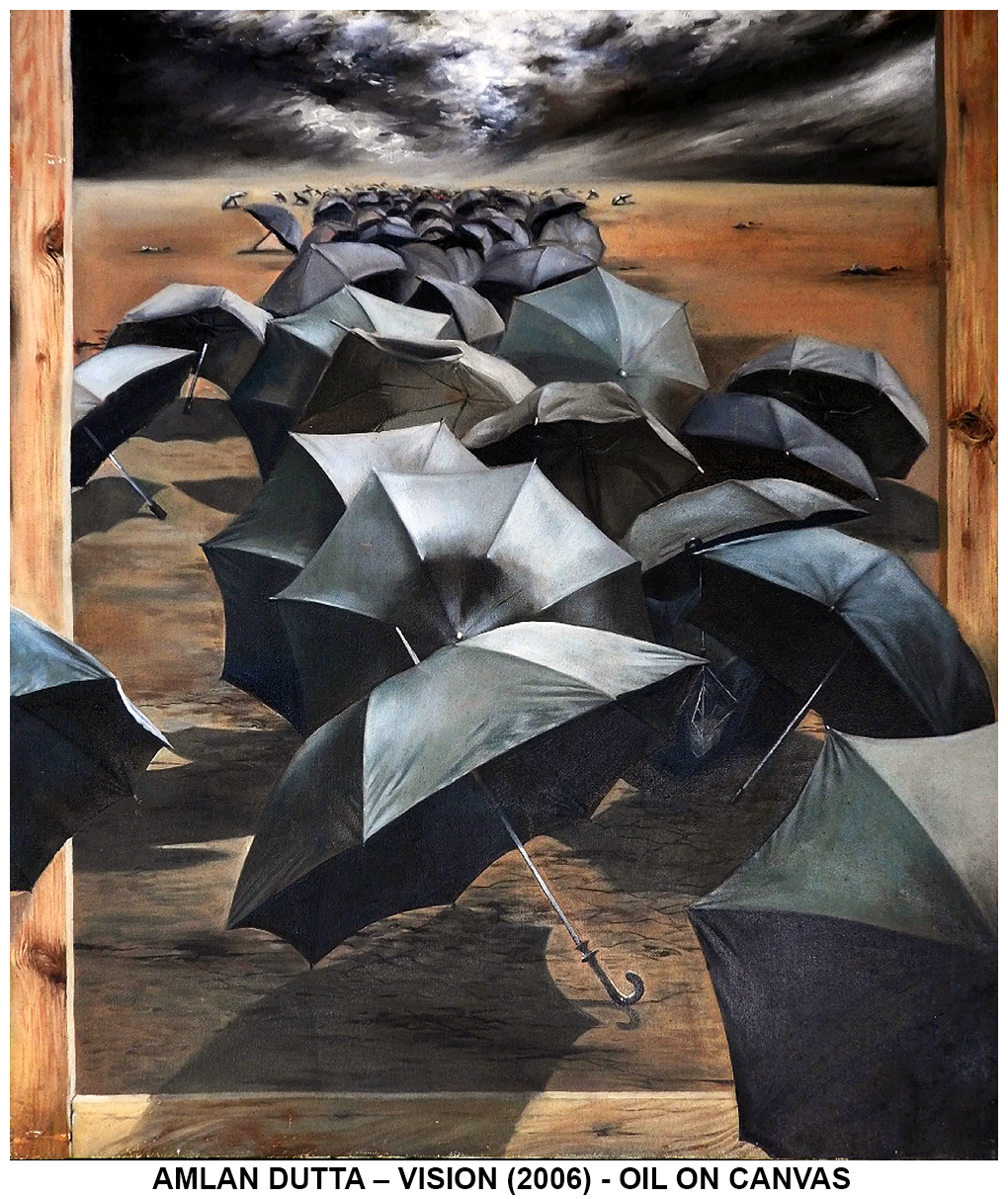
Learning to Look Before Learning to Buy
One of the greatest misconceptions about collecting art is that success depends upon predicting future market value.
History suggests otherwise.
Many of the most respected collectors built their collections not by chasing trends, but by developing their eye. They spent time looking, reading, visiting exhibitions, and understanding how artists think.
Before purchasing an artwork, collectors should ask:
- Does this work hold my attention
- Is the artist exploring a unique visual language?
- Does the artwork reveal new details over time?
- Can I imagine living with this work for many years?
These questions often prove more valuable than auction records or market forecasts.
Art collecting begins not with buying, but with seeing.
Why Paintings Remain the Most Popular Choice
For many collectors, painting provides the most accessible entry into the art world.
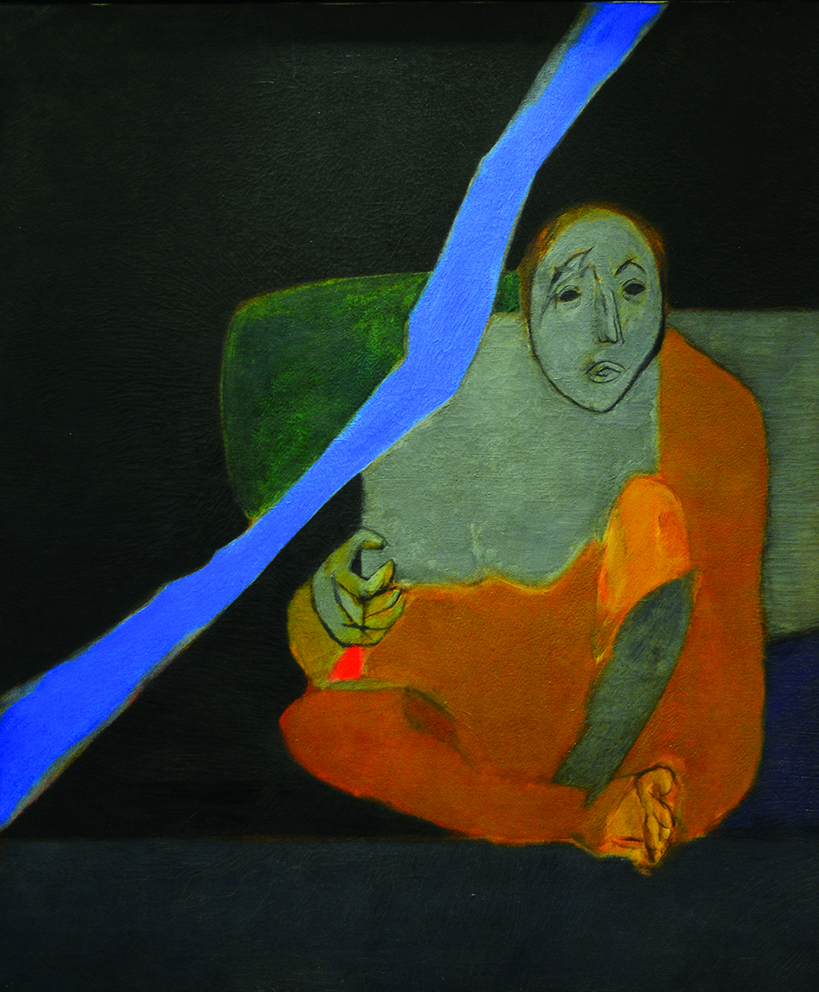
 Paintings establish an immediate visual connection through colour, texture, composition, and imagery. They can be expressive, contemplative, narrative, symbolic, or entirely abstract.
 Contemporary Indian painting today is particularly diverse, reflecting a wide range of personal and cultural experiences.
Artists such as Amlan Dutta demonstrate how abstraction can be used to construct complex visual worlds through layered surfaces, rhythmic structures, and carefully balanced compositions. His works encourage slow viewing and reward repeated engagement.
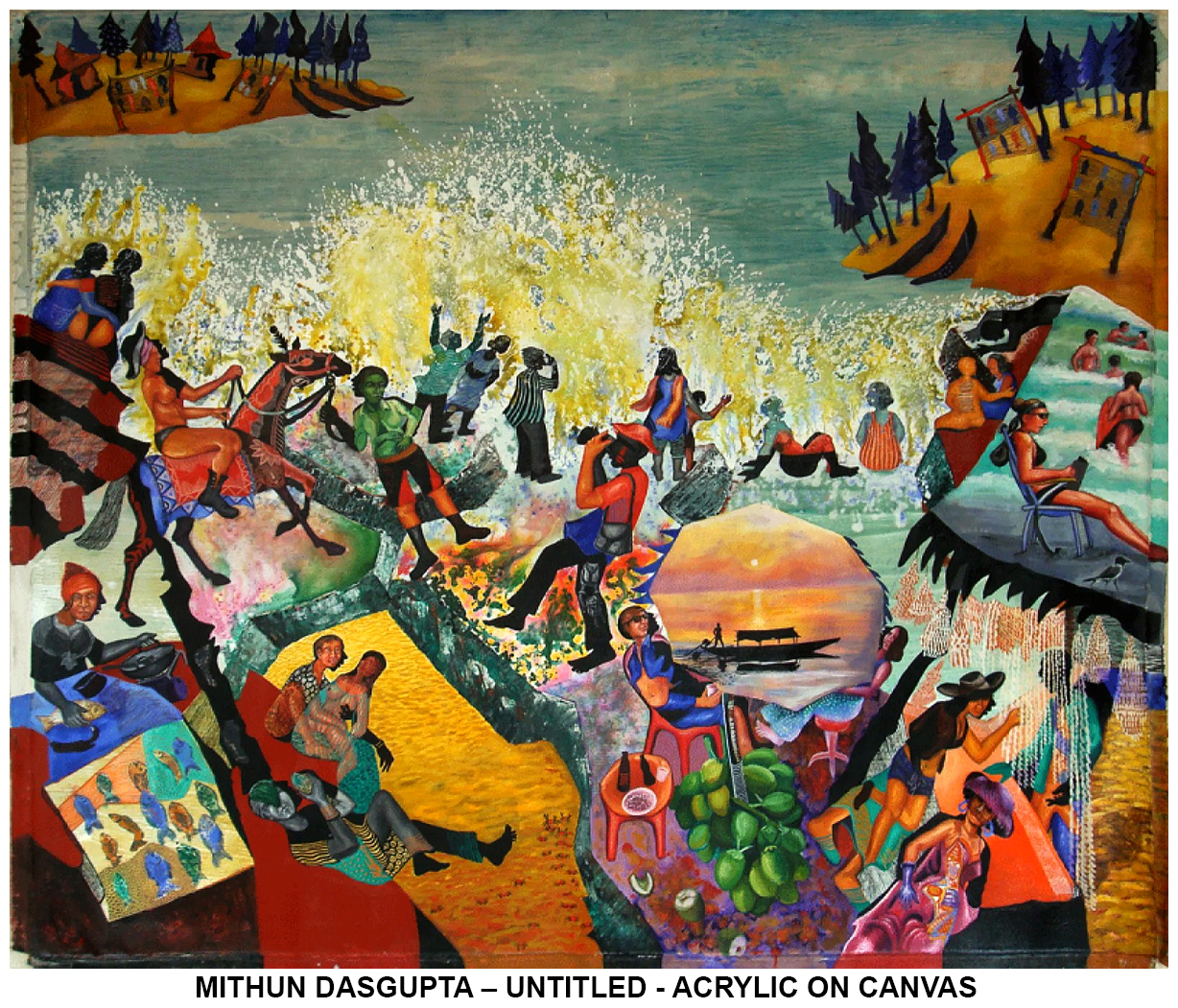
Mithun Dasgupta's paintings often explore human experience through expressive imagery and narrative suggestion. His works reveal a thoughtful balance between figurative representation and emotional interpretation. 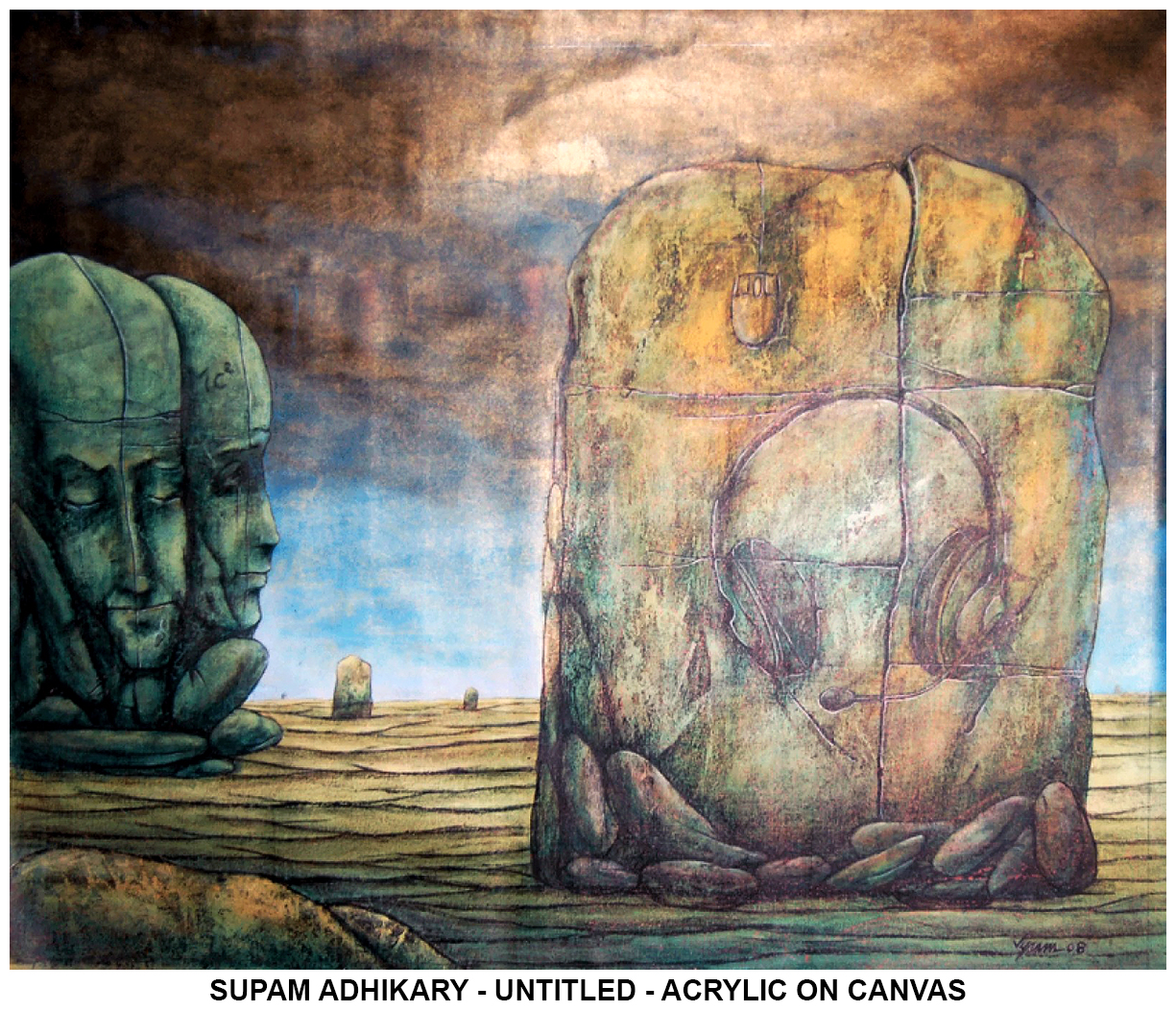
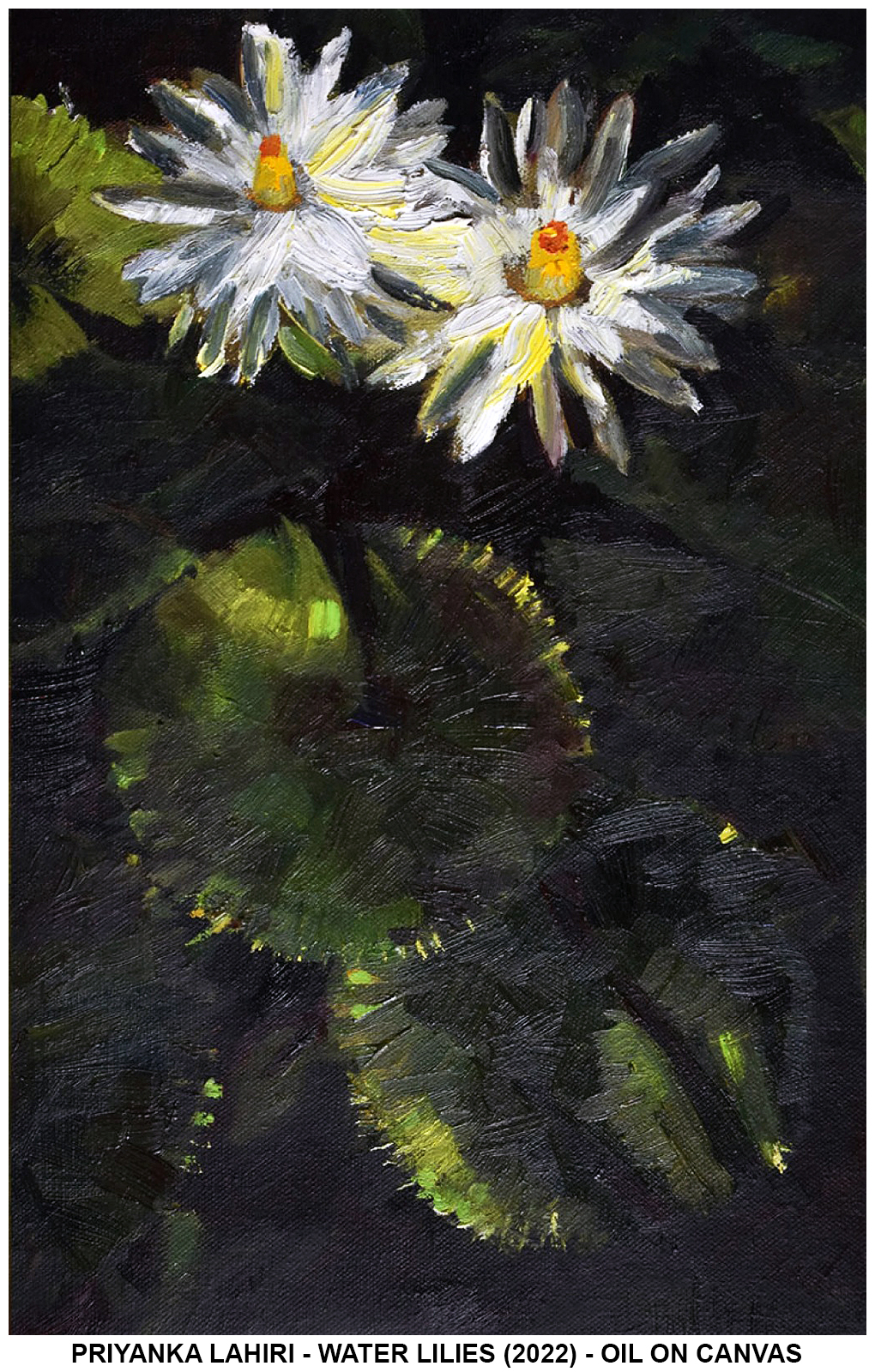
Priyanka Lahiri's practice is characterised by sensitivity and poetic restraint.Her paintings frequently create intimate visual spaces where mood and atmosphere emerge through carefully orchestrated forms and colour relationships.
Supam Adhikary represents a younger generation of painters whose works combine contemporary concerns with strong visual storytelling. His evolving body of work demonstrates both technical confidence and conceptual curiosity, qualities that collectors often look for in artists with long-term potential.
What unites these painters is not style, but seriousness of intent. Each is developing a sustained artistic language rather than producing decorative imagery designed simply to follow trends.
Sculpture: Art That Occupies Space
If paintings invite viewers into an imagined world, sculptures enter the viewer's world. 
Unlike two-dimensional artworks, sculpture occupies physical space. It engages with architecture, light, shadow, and movement. As one walks around a sculpture, the experience changes continuously.
Many first-time buyers overlook sculpture because they assume it requires large spaces or substantial budgets. In reality, contemporary sculpture is available in a wide range of scales and materials.
The works of Chaitali De Chanda demonstrate how sculptural form can combine elegance, structure, and material sensitivity. Her practice reflects an understanding of balance and volume that transforms physical matter into expressive form. 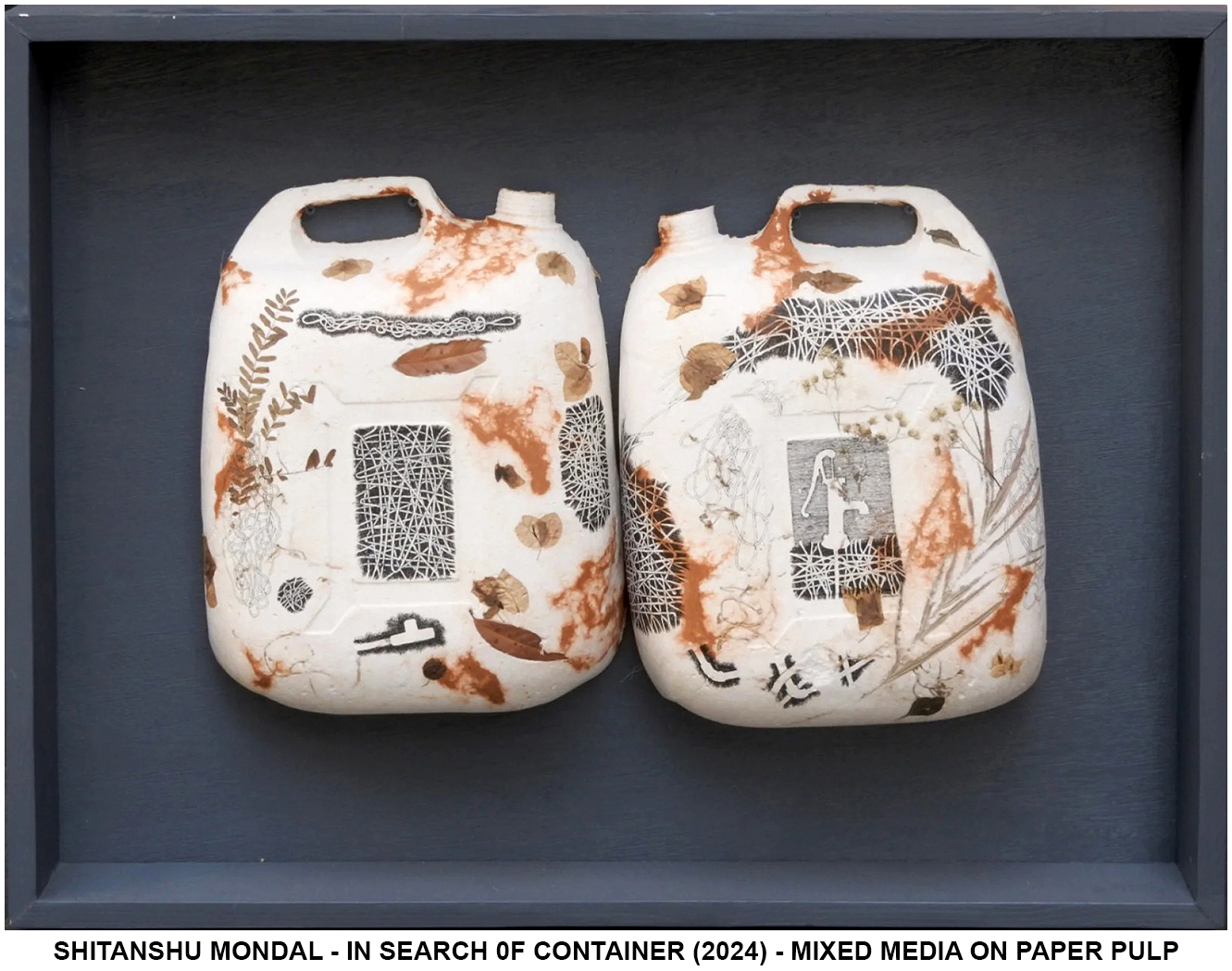
Shitangshu Mondal approaches sculpture through experimentation and material exploration. His works often investigate the relationship between movement, structure, and surface, reflecting a contemporary approach to three-dimensional art-making. 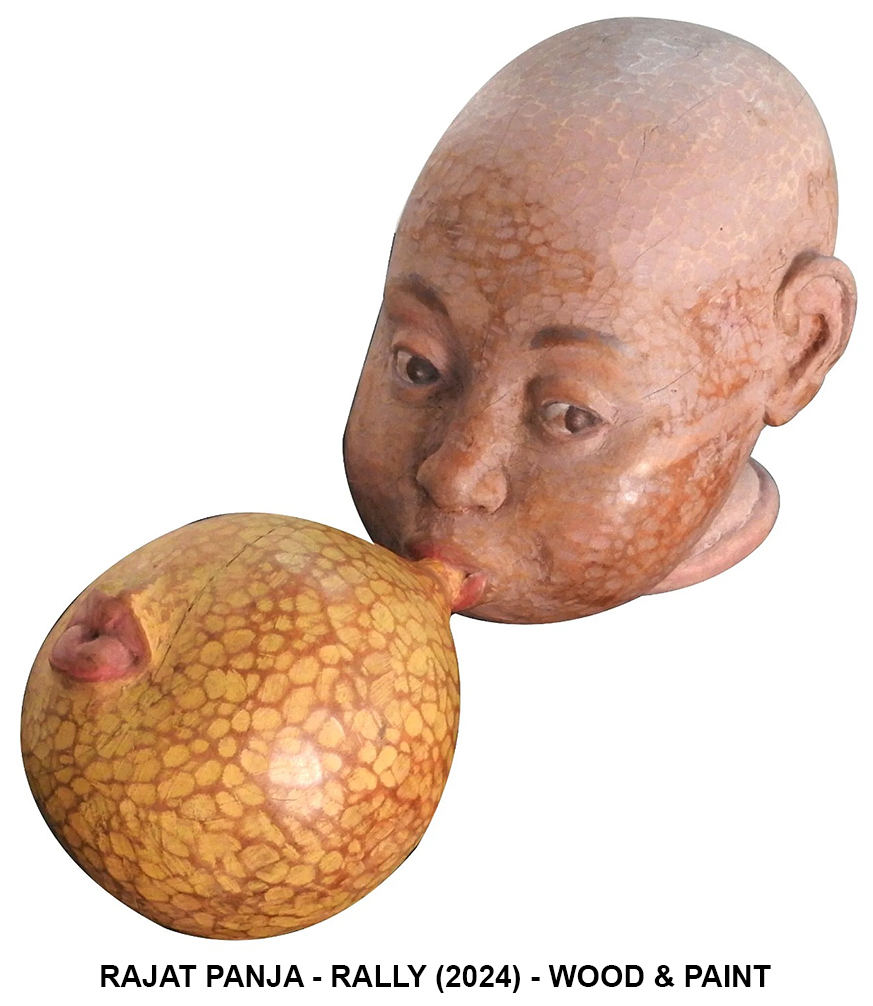
Rajat Panja's sculptural language reveals an interest in form as a vehicle for ideas. His works frequently move beyond representation, encouraging viewers to engage with broader questions of memory, identity, and perception.
For collectors, sculpture offers a unique opportunity to experience art physically rather than merely visually. A well-chosen sculpture often becomes the focal point of a room, transforming the surrounding environment.
Printmaking: One of Art's Best-Kept Secrets
Perhaps no medium is more misunderstood than printmaking. 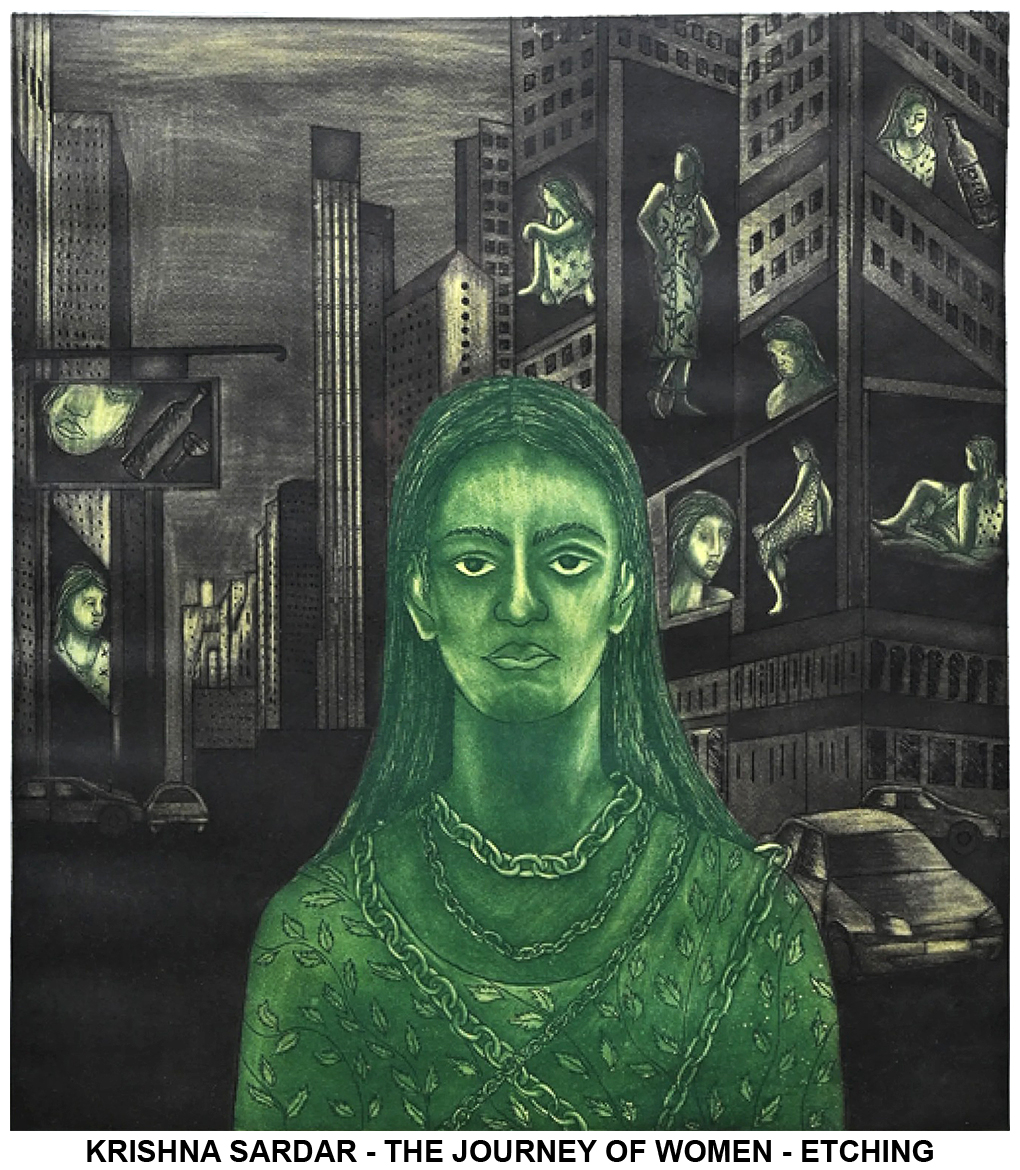
Many first-time collectors mistakenly assume that prints are simply copies of paintings. In reality, original printmaking is one of the most demanding and respected artistic disciplines.
Techniques such as etching, lithography, aquatint, drypoint, woodcut, and serigraphy require years of training and mastery. A signed and numbered print is not a reproduction; it is an original artwork created through a highly specialised process.
For generations, some of the world's most important artists have embraced printmaking as an independent medium capable of remarkable technical and conceptual sophistication. 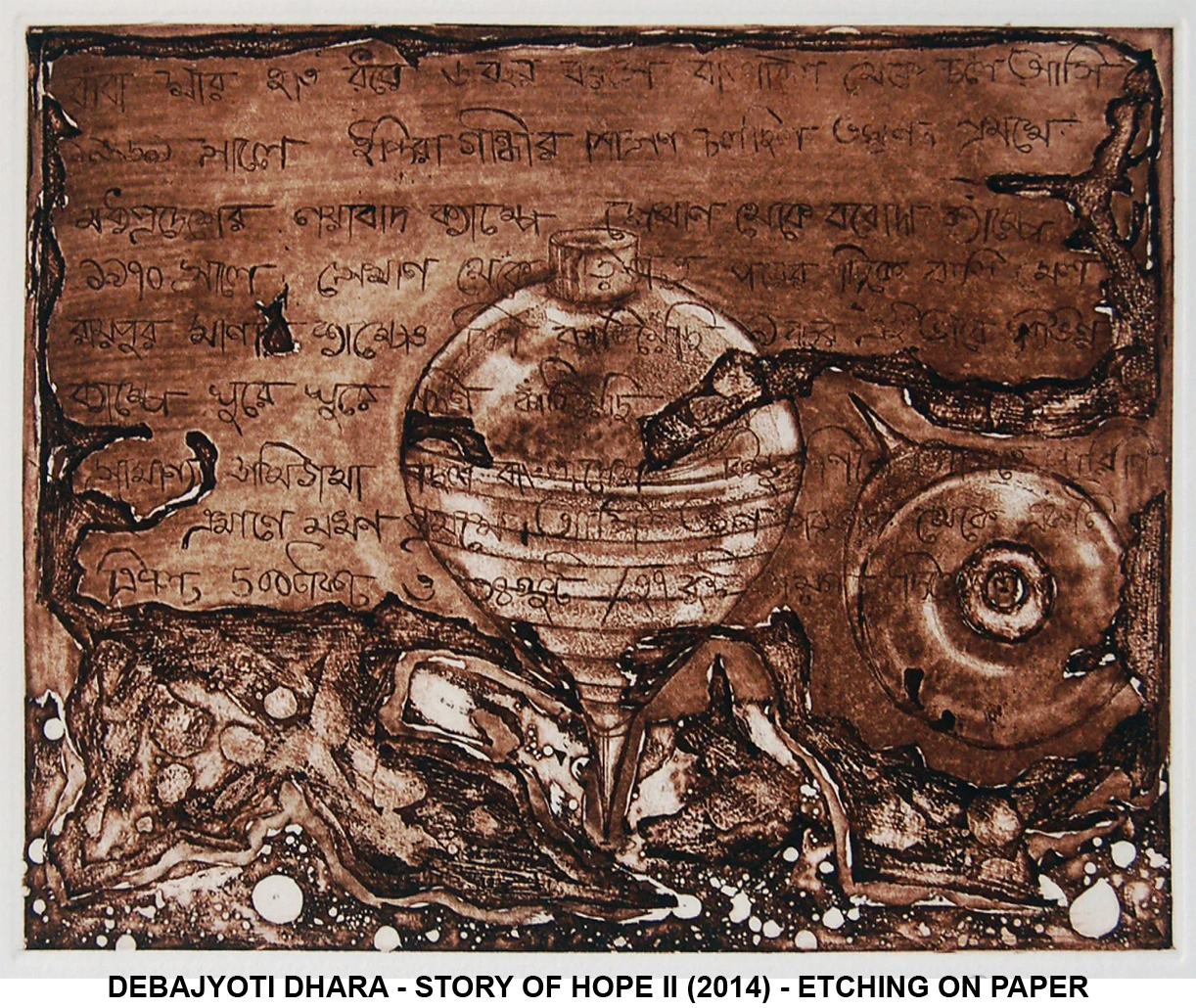
Among contemporary practitioners, Abdul Salam's works demonstrate the richness of graphic expression through carefully structured compositions, tonal complexity, and refined craftsmanship. His practice illustrates the intellectual depth that printmaking can achieve.
 Krishna Sardar, trained in graphics at Santiniketan, continues this tradition through etchings and lithographs that reveal sensitivity towards line, texture, and spatial organisation. His works demonstrate the discipline and precision that distinguish accomplished printmakers.
Debojyoti Dhara's prints often combine strong graphic structures with contemporary visual concerns, creating works that are both technically accomplished and conceptually engaging.
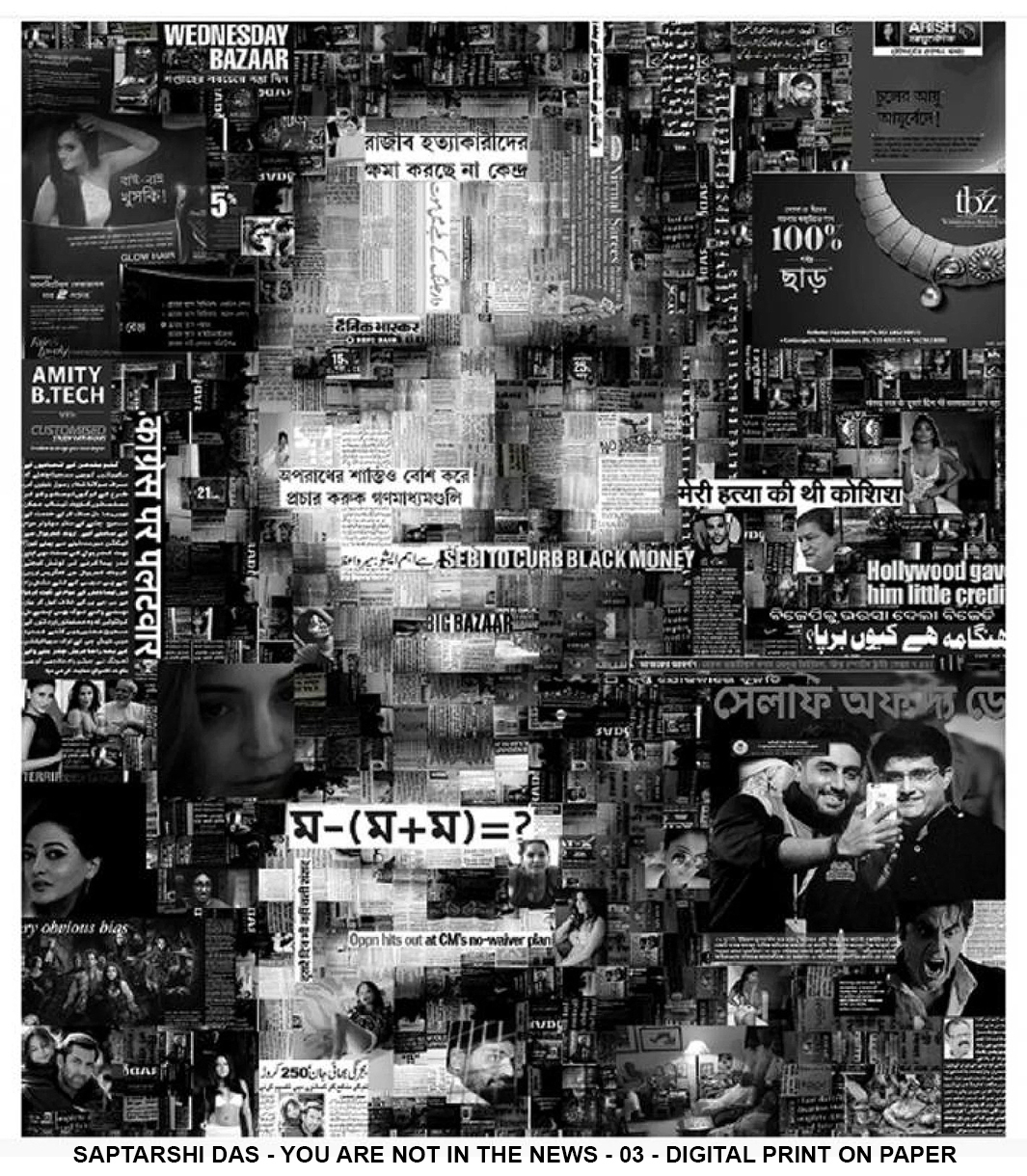
Saptarshi Das represents a younger generation of artists exploring the possibilities of printmaking through experimentation, layered imagery, and contemporary interpretation. His works demonstrate how traditional techniques continue to evolve within present-day artistic practice.
For new collectors, printmaking offers one of the most intelligent entry points into collecting. Original prints often remain more affordable than unique paintings or sculptures while providing direct access to serious artistic practice.
The Myth of Expensive Art
One of the most persistent myths in the art world is that expensive art is automatically better art.
History repeatedly disproves this assumption.
Many artists who later achieved significant recognition spent years working outside mainstream commercial attention. Their importance was recognised not because of market value, but because of the strength of their ideas, dedication, and artistic vision.
Affordable contemporary art should therefore not be viewed as "entry-level" art.
Rather, it represents an opportunity to engage with artists during important stages of their creative development.
The most rewarding collections are often built through conviction rather than imitation.
What Makes an Artist Worth Following?
No one can predict the future with certainty.
However, certain qualities frequently appear in artists who sustain long-term relevance:
- A distinctive visual language.
- Consistency of practice.
- Technical competence.
- Intellectual curiosity.
- Willingness to evolve.
- Commitment to artistic growth.
The painters, sculptors, and printmakers discussed above represent different directions within contemporary Indian art, yet they share these essential qualities.
Their works remain comparatively accessible today, but more importantly, they demonstrate seriousness of purpose and a commitment to developing meaningful artistic practices.
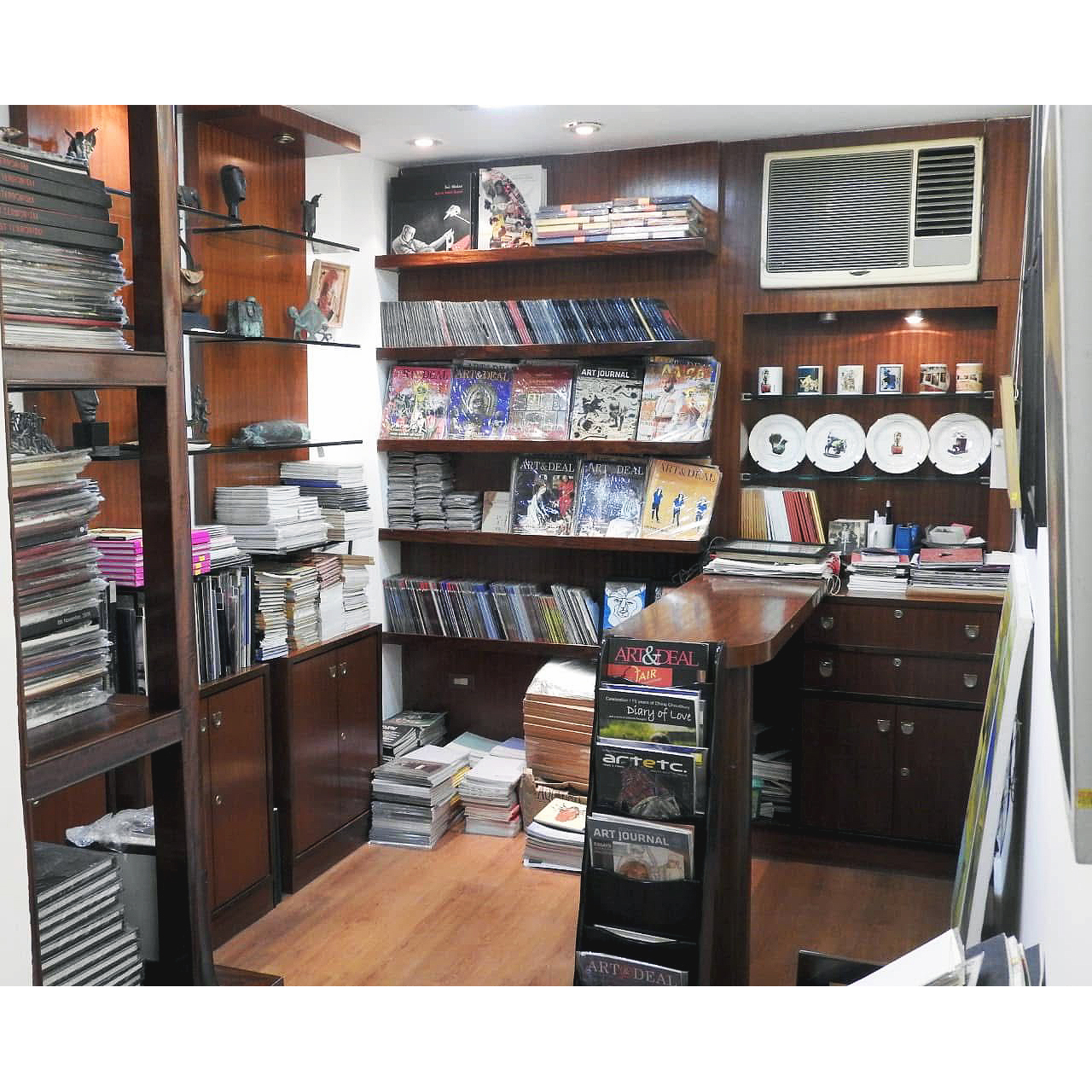
The Role of Galleries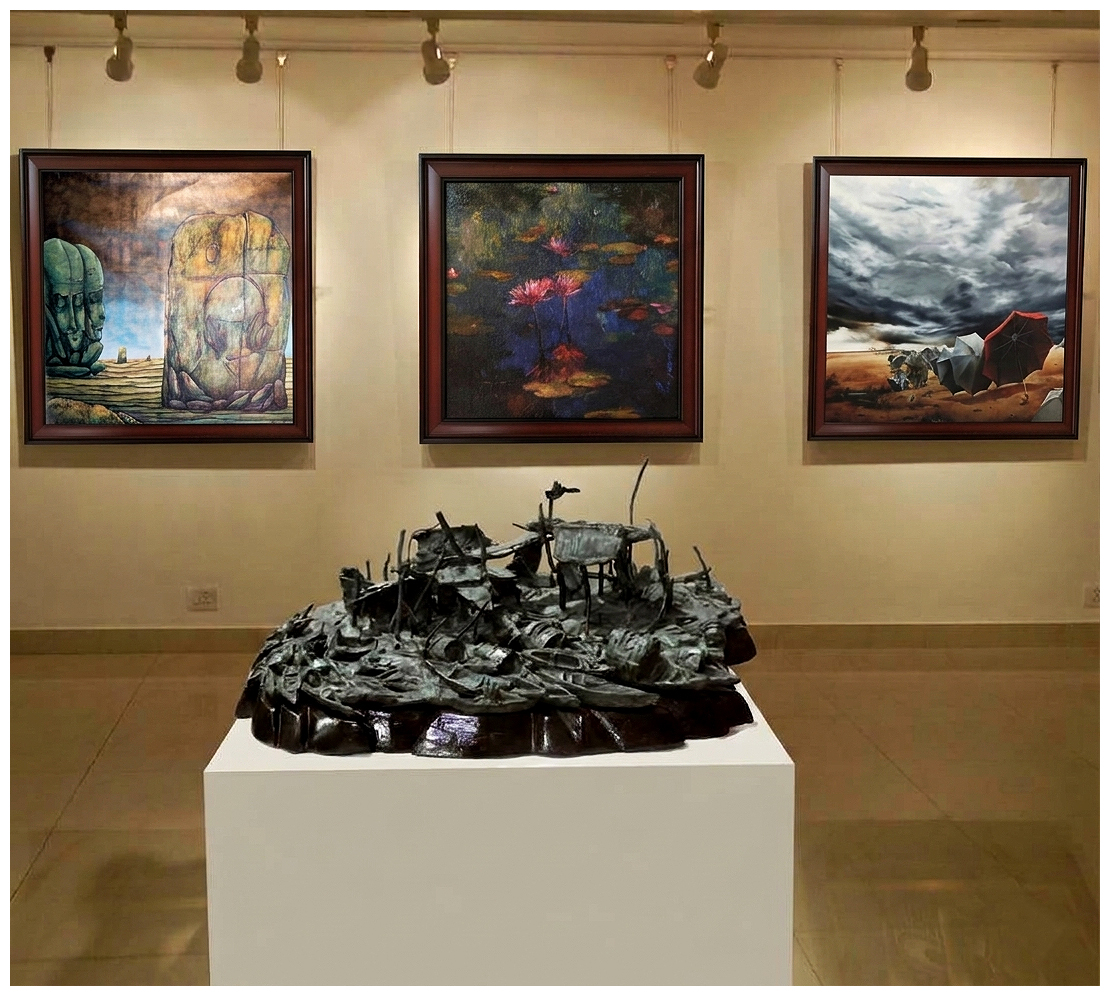 In an age of social media and online marketplaces, galleries continue to play a vital role in shaping cultural understanding.
A gallery is not merely a place where art is sold.
It is a place where artists, ideas, collectors, and history intersect.
Through exhibitions, publications, archives, and conversations, galleries provide the context necessary for informed collecting.
The best collectors are often lifelong students of art. They spend as much time learning as they do acquiring.
There is no perfect first artwork.
Some collectors begin with a painting. Others are drawn to sculpture. Many discover the richness of printmaking before exploring other mediums.
What matters is not the category.
What matters is the connection.
The contemporary Indian art scene today offers remarkable opportunities for thoughtful collectors. Artists such as Amlan Dutta, Mithun Dasgupta, Priyanka Lahiri, Supam Adhikary, Chaitali De Chanda, Shitangshu Mondal, Rajat Panja, Abdul Salam, Krishna Sardar, Debojyoti Dhara, and Saptarshi Das demonstrate the diversity, quality, and promise that exist beyond the established market stars.
For those willing to look carefully, the first artwork may become much more than a purchase.
It may become the beginning of a lifelong conversation with art.
- Research & Compiled by Aakriti Art Gallery team


Comments
Join the Discussion
Please login to post comments.
Login