From Art News & Views to Art Insights: A Journey in Documenting Indian Art
Reflections on two decades of publishing, research, mentorship and the enduring commitment to documenting Indian art through independent scholarship.
-- By Vikram Bachhawat
Art Researcher, Collector, and Founder-Director, Aakriti Art Gallery
There are moments in one’s professional life that become turning points without announcing themselves. Looking back today, I realise that starting Art News & Views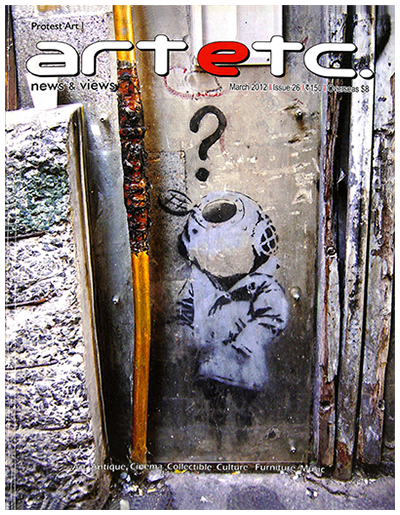 was one such moment. What began as an ambitious monthly art magazine gradually became one of the most rewarding learning experiences of my life. It shaped my understanding of publishing, research, documentation and, above all, my responsibility towards Indian art.
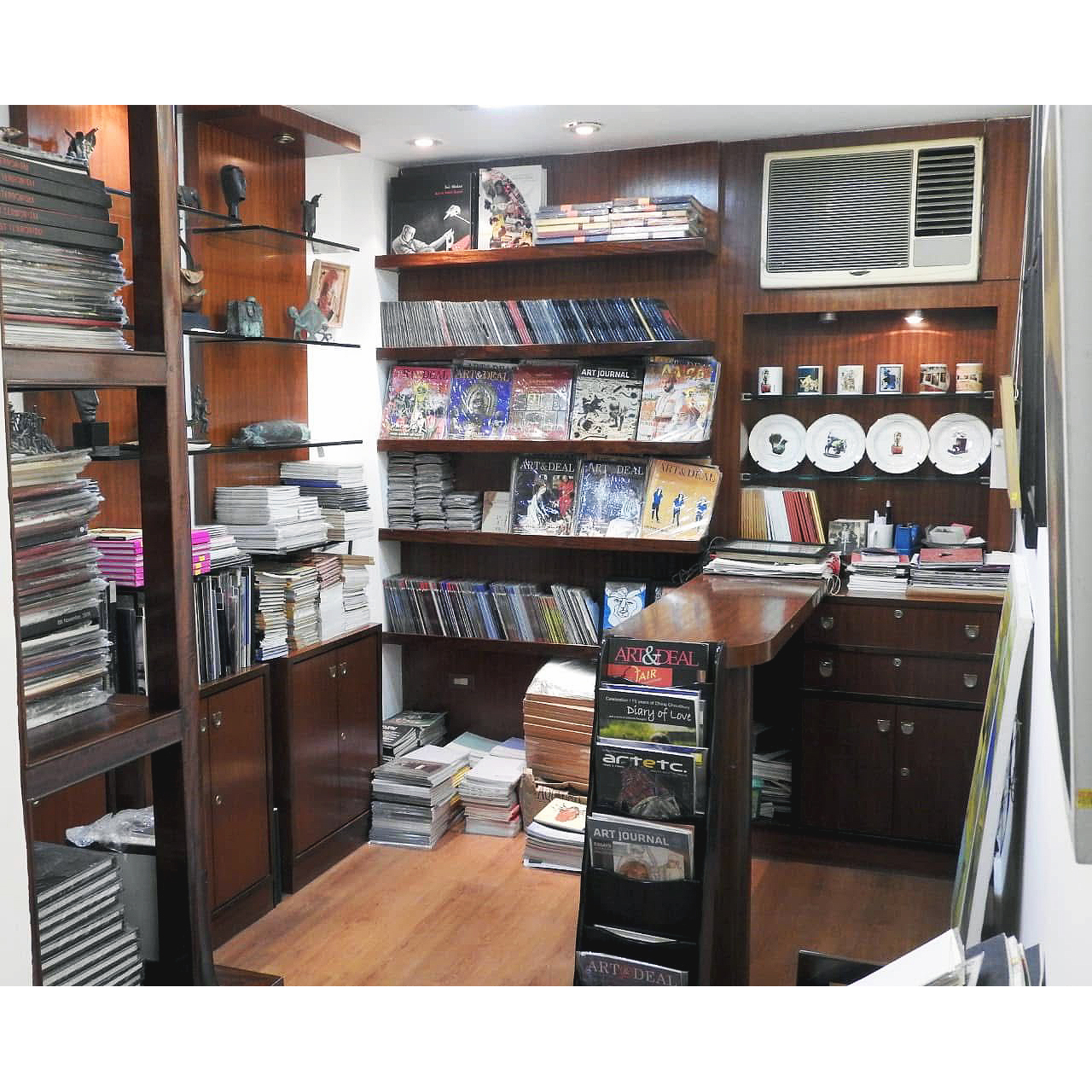
When we launched Art News & Views, the intention was never simply to report exhibitions or reproduce press releases. We wanted to create a publication that would contribute meaningfully to the documentation of Indian art. Looking back after nearly two decades, it is deeply satisfying to know that many of those issues are now consulted by students, researchers, collectors and libraries as reference material. Nothing could have been more rewarding for an editor.
What made the magazine different was its editorial philosophy.
Every issue was built around a carefully chosen theme. Instead of publishing unrelated articles, we devoted an entire issue to a single subject, exploring it from multiple perspectives. Each edition became a curated body of research rather than a collection of independent essays. Whether the focus was the Progressive Artists’ Group, Protest Art, Santiniketan, contemporary practice or another important aspect of Indian art, every issue was conceived almost like a small reference book.
Selecting the theme was only the beginning.
The next challenge was finding the most suitable Guest Editor. We were fortunate that some of India’s most respected artists,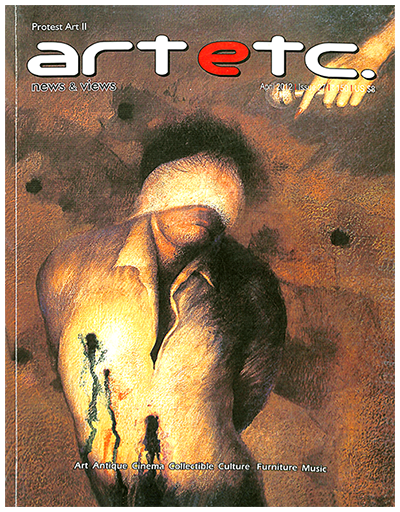 art historians, curators and scholars believed in our vision and agreed to associate themselves with the magazine. Over the years, distinguished personalities including R. Siva Kumar, Satish Gujral, Pronab Ranjan Ray, Ratan Parimoo, Waswo X. Waswo, and several other eminent scholars and practitioners accepted our invitation to guest edit issues devoted to subjects within their own areas of expertise. Their guidance gave every edition academic depth, intellectual credibility and editorial direction.
Their involvement also raised our own standards.
The responsibility of publishing alongside such distinguished minds meant that every issue demanded meticulous planning and thorough preparation. It was never enough simply to collect articles. We had to build a coherent publication where every contribution complemented the central theme.
Another aspect that gave me immense satisfaction was discovering and nurturing new writers.
Rather than waiting for unsolicited submissions, we actively commissioned articles. I would prepare a short concept note for each contributor, outlining the subject, suggesting research directions and identifying the broader questions that the article should address. Every writer was encouraged to investigate rather than merely express an opinion.
Alongside established scholars, we consciously searched for young researchers, critics and art historians who possessed curiosity and the willingness to work hard. Many of them published some of their earliest serious essays in Art News & Views. Watching these young writers grow into confident researchers and authors remains one of the most fulfilling aspects of that journey.
In hindsight, I realise that the editorial process taught me as much as it taught the contributors. Every issue became an exercise in research, correspondence, editing, verification and documentation. It taught me that good publishing begins long before the first word is written. It begins with asking the right questions.
One particular issue remains especially close to my heart.
In 2012 we decided to produce a series of special issue on Protest Art edited by myself. It was an ambitious theme that demanded international perspectives alongside Indian voices. While planning the contents, I felt strongly that we should include the legendary feminist collective Guerrilla Girls, whose anonymous activism had transformed conversations around gender discrimination in the art world.
There was only one problem.
They were almost impossible to contact.
This was long before social media had become the primary means of communication. We searched everywhere for an email address, telephone number or representative but found nothing. The Guerrilla Girls were true to their identity as an anonymous collective. Most organisations only referred to them without providing any contact information.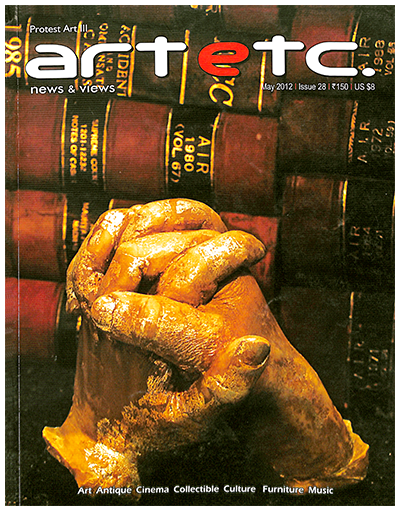
For weeks I pursued every possible lead. I searched exhibition catalogues, museum publications, old references and archival material. At times it felt less like editing a magazine and more like conducting a detective investigation.
Finally, after considerable effort, I managed to trace what appeared to be a postal box address used by the collective.
That became our only hope.
Since there was no other way of reaching them, I drafted a letter explaining our publication, our intentions and why we believed their participation would be important for an Indian readership. The letter was carefully prepared and posted, after which there was nothing to do but wait.
Weeks passed.
Then, almost a month later, a reply arrived.
To my delight, permission for the interview had been granted.
It remains one of the happiest moments of my publishing career.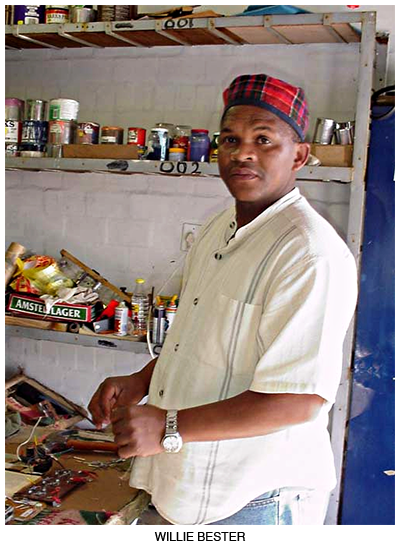
Dr. Saba Gulrez conducted what was, to the best of my knowledge, the first interview with the Guerrilla Girls published by any Indian art magazine. She did a remarkable job, capturing not only the politics of protest but also the wit, conviction and philosophy that defined the collective. The interview immediately became one of the most discussed features of the issue. Friends from abroad were equally surprised and curious about how an independent magazine from Kolkata had managed to secure such an exclusive conversation with one of the world’s most elusive artist collectives.
That experience reinforced something I have always believed—that persistence often matters more than resources.
A similar story unfolded when we approached the internationally acclaimed South African artist Willie Bester. Convincing him to participate was no easy task. It required patience, correspondence and sustained persuasion before he finally agreed. The interview, brilliantly conducted by Dr. Seema Bawa, became another landmark feature of the magazine and further strengthened the Protest Art issue.
These interviews were never pursued merely for exclusivity. They were commissioned because they completed the intellectual narrative of an issue. Every article, every interview and every contributor was selected to deepen the reader’s understanding of the chosen theme.
Producing such a magazine, however, came at a price.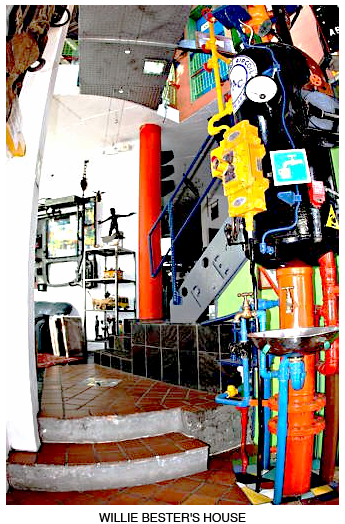 In those years, sustaining a serious monthly art publication was extraordinarily difficult. There were very few subscribers willing to pay for specialist art writing. Advertising revenue was limited, and publishing costs continued to rise. Unlike mainstream magazines, an art journal devoted to scholarship could not depend on commercial viability.
Many issues were published entirely through our own resources.
Looking back today, I sometimes wonder whether it made financial sense.
It probably did not.
But intellectually, emotionally and historically, it certainly did.
Those years taught me lessons that no publishing course ever could. They taught me editorial discipline, the importance of verification, the value of archives, the patience required for research and the responsibility of documenting history while it is still unfolding.
Most importantly, they taught me that an art gallery can—and perhaps should—play a role far beyond exhibiting and selling art. Galleries also have a responsibility to document, interpret and preserve the cultural history of their time.
Today, as we begin a new chapter with Art Insights, I often find myself reflecting on that earlier journey.
The world has changed.
Technology has transformed publishing.
Research has become more accessible.
Artificial intelligence is changing how knowledge is discovered.
Yet one thing remains unchanged.
The need for thoughtful, well-researched and carefully edited writing on Indian art is perhaps greater today than ever before.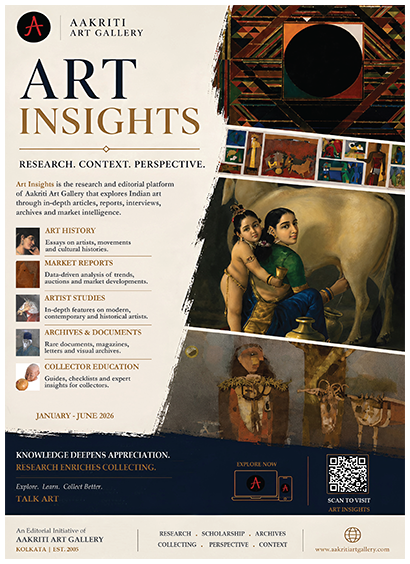
Art Insights is not an attempt to recreate Art News & Views.
Nor is it an exercise in nostalgia.
It is a continuation of the same belief that first inspired us many years ago—that documenting art is as important as exhibiting it.
If Art News & Views taught me how to build a magazine, Art Insights carries forward that experience with renewed purpose. We hope to bring together established scholars, curators, critics, artists and emerging researchers to continue exploring overlooked histories, forgotten artists, archival discoveries, collecting practices and the evolving story of Indian art.
The format may have changed, but the mission remains the same.
Looking back, I realise that the greatest legacy of Art News & Views was never the number of issues we published. It was the conversations we initiated, the writers we encouraged, the scholars who trusted us, the histories we helped document and the readers who continue to return to those pages years later.
That journey taught me how to publish.
More importantly, it taught me how to research, how to listen, how to question and how to preserve.
As we turn the page and begin again with Art Insights, I do so with the same curiosity, the same excitement and the same conviction that guided us all those years ago.
Because good journalism records the present.
Good research explains it.
But thoughtful documentation ensures that future generations will still be able to discover it.
Suggested Pull Quote
“Looking back, I realise that our greatest achievement was never publishing a magazine—it was documenting a period of Indian art before it disappeared into history.”
Editor’s Note
Between 2008 and 2012, Aakriti Art Gallery published Art News & Views and Art Etc., independent art periodicals dedicated to research, documentation and critical writing on Indian and international art. Built around thematic issues and guided by distinguished guest editors, the magazines commissioned original essays from established scholars and emerging writers alike. This personal reflection revisits that journey and explains how its experiences have shaped the vision behind Art Insights, Aakriti’s new biannual journal devoted to research, archives and the documentation of Indian art.
Comments
Join the Discussion
Please login to post comments.
Login