Between Print and Sculpture
Paper Pulp Casting as a Third Medium in Indian Art
Is paper pulp casting a printmaking process or a sculptural one? The question appears straightforward until one encounters the works themselves. A sheet of dyed pulp pressed into a mould or against a carved matrix does not behave like a conventional print, nor does it settle comfortably into the category of sculpture. It occupies a quieter, more ambiguous territory — a third space in which the logic of the matrix meets the presence of form.
Printmaking, at its core, is an art of pressure and transfer. A matrix (wood, metal, stone, or in this case, a mould) carries information that is then impressed upon a receptive surface. Multiplicity, reproducibility, and the residual memory of the matrix are central to its identity. Sculpture, by contrast, concerns itself with volume, mass, and the object’s existence in space. It is usually unique, and its meaning often resides in the way light and touch negotiate its surface. Paper pulp casting borrows from both lineages while fully belonging to neither.
The process begins with a pulp that is almost liquid — a suspension of fibres that can be dyed, layered, and poured. When pressed or cast, it takes the impression of whatever it contacts: a carved block, a leaf, an architectural fragment, a hand-built mould. Once dry, the resulting object possesses low relief, subtle volume, and a surface that holds light in a distinctly material way. It can be editioned, yet many of the most compelling examples remain unique. It carries the memory of a matrix, yet it refuses the flatness that traditionally defines the print. This productive instability is precisely what has drawn certain Indian artists to the medium.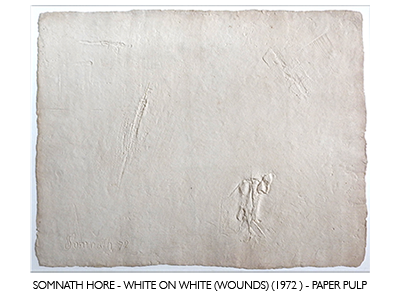
Somnath Hore remains the foundational figure. In the late twentieth century he developed a technique of impregnating wet paper pulp with red pigment and pressing it into carved woodblocks. The resulting works — most famously the Wounds series — are embossed, visceral reliefs in which the pulp itself becomes the carrier of trauma. These are still called prints, and rightly so: they retain a clear relationship to the matrix and to the idea of impression. Yet their physical presence exceeds the conventional print. The red pulp rises and falls like scar tissue. The surface is no longer merely a support; it is the wound.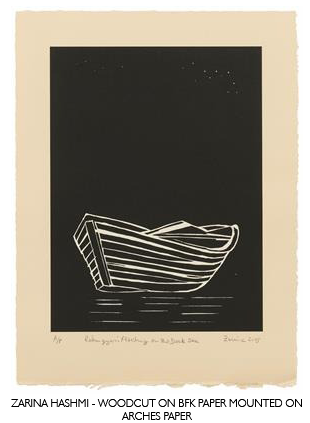
Zarina Hashmi approached the medium from a different direction. In the 1970s and 1980s she cast handmade Indian paper and pulp into quiet, monochromatic reliefs concerned with architecture, displacement, and sacred geometry. Her works often appear almost minimal, yet their slight volume and the way light catches the raised edges give them a sculptural gravity. They are less about the drama of impression and more about the contemplative presence of form. In Zarina’s hands, pulp becomes a means of making absence tangible — houses, maps, and thresholds that exist only as cast memory.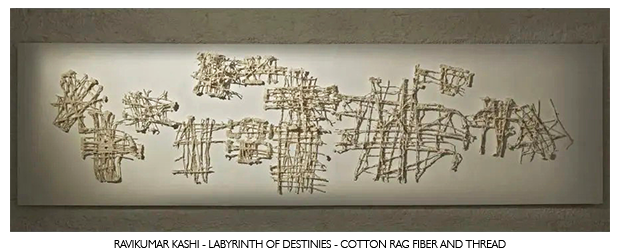
Ravikumar Kashi has pushed the medium furthest into sculptural territory. Working with cast cotton rag, pigmented Daphne, and other handmade fibres, he constructs lace-like structures, books of erasure, and text-embedded installations. His pulp objects frequently leave the wall and occupy space as freestanding or hanging forms. Here the matrix is often secondary to the material’s own behaviour. The fibres interlock, tear, and hold shape according to their own logic. Kashi’s practice demonstrates how far pulp can move from the print tradition while still retaining its origins in papermaking and pressure.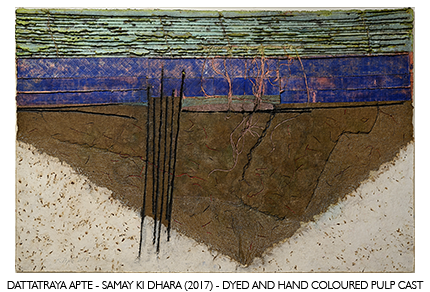
Dattatraya Apte occupies a particularly revealing position within this continuum. An accomplished printmaker who studied papermaking at the Glasgow School of Art as a Charles Wallace scholar, Apte has spoken repeatedly of the “surprise” that pulp offers during casting. Eighty per cent of the final form, he suggests, evolves in the process itself. His dyed paper pulp works — whether the early white archaeological reliefs of 1999 or the later chromatic pieces that incorporate leaves, architectural fragments, and geometric structures — remain deeply informed by printmaking sensibility. Yet they insist on being encountered as objects. The surface is not a picture plane; it is a topography. Light does not merely illuminate the image; it moves across raised and recessed areas, revealing depth that a traditional print cannot claim.
What unites these artists is not a shared style but a shared refusal of easy categorisation. Paper pulp casting allows them to work at the threshold where the printed impression becomes three-dimensional and the sculptural object retains the memory of a matrix. The medium is neither purely reproductive nor purely unique. It is both process and presence.
Perhaps the most useful way to think about paper pulp casting is not to force it into one category or the other, but to recognise it as a third medium — one that inherits the discipline of the matrix while claiming the spatial and tactile authority of form. In the hands of Hore, Zarina, Kashi, and Apte, this third space has proved unusually fertile. It has allowed artists to speak of wound, displacement, erasure, and memory in a language that is neither purely graphic nor purely sculptural, but something quieter and more stubborn: the language of a surface that has been pressed into being, and that continues to hold the pressure long after the matrix has been removed.
Bibliography
Somnath Hore
- Hore, Somnath. Wounds. CIMA Gallery, Kolkata, 1995 (exhibition catalogue).
- “Wounds.” Victoria and Albert Museum Collection records (moulded paper pulp works, 1970s–1980s).
- MAP Academy. “Somnath Hore.”
- Mukherjee, Rudrangshu (ed.). Art of Bengal: A Vision Defined 1955–1975. Centre of International Modern Art & Lalit Kala Akademi, 2002.
- Patel, Divia. India and Pakistan: Contemporary Prints. Exhibition leaflet, 1997.
Zarina Hashmi
- Pesenti, Allegra. Zarina: Paper Like Skin. Hammer Museum, Los Angeles / Solomon R. Guggenheim Museum, New York, 2012.
- Zarina: Paper Houses. Gallery Espace, New Delhi, 2006.
- Sotheby’s. “Playing with the Medium: Zarina’s Evolution as an Artist and Printmaker.”
- Bonhams & Doyle auction catalogues (cast paper works, 1980–81).
Ravikumar Kashi
- MAP Academy. “Pulp Fictions: Unravelling Ravikumar Kashi’s Paper Work” (2025).
- “Artist Ravikumar Kashi’s works bring a layered depth to paper.” The Hindu, 2025.
- Gallery Sumukha artist profile and exhibition records.
- Museum of Art & Photography (MAP), Bengaluru. We Don’t End At Our Edges (2025 exhibition notes).
Dattatraya Apte
- DAG (Delhi Art Gallery). Artist profile and collection notes on dyed paper pulp casts.
- Latitude 28. “Dattatraya Apte.”
- Multiple Encounters / Indian Printmakers Guild documentation.
- Artist interviews and studio documentation referencing Charles Wallace India Trust scholarship and papermaking studies at Glasgow School of Art.
Most read articles
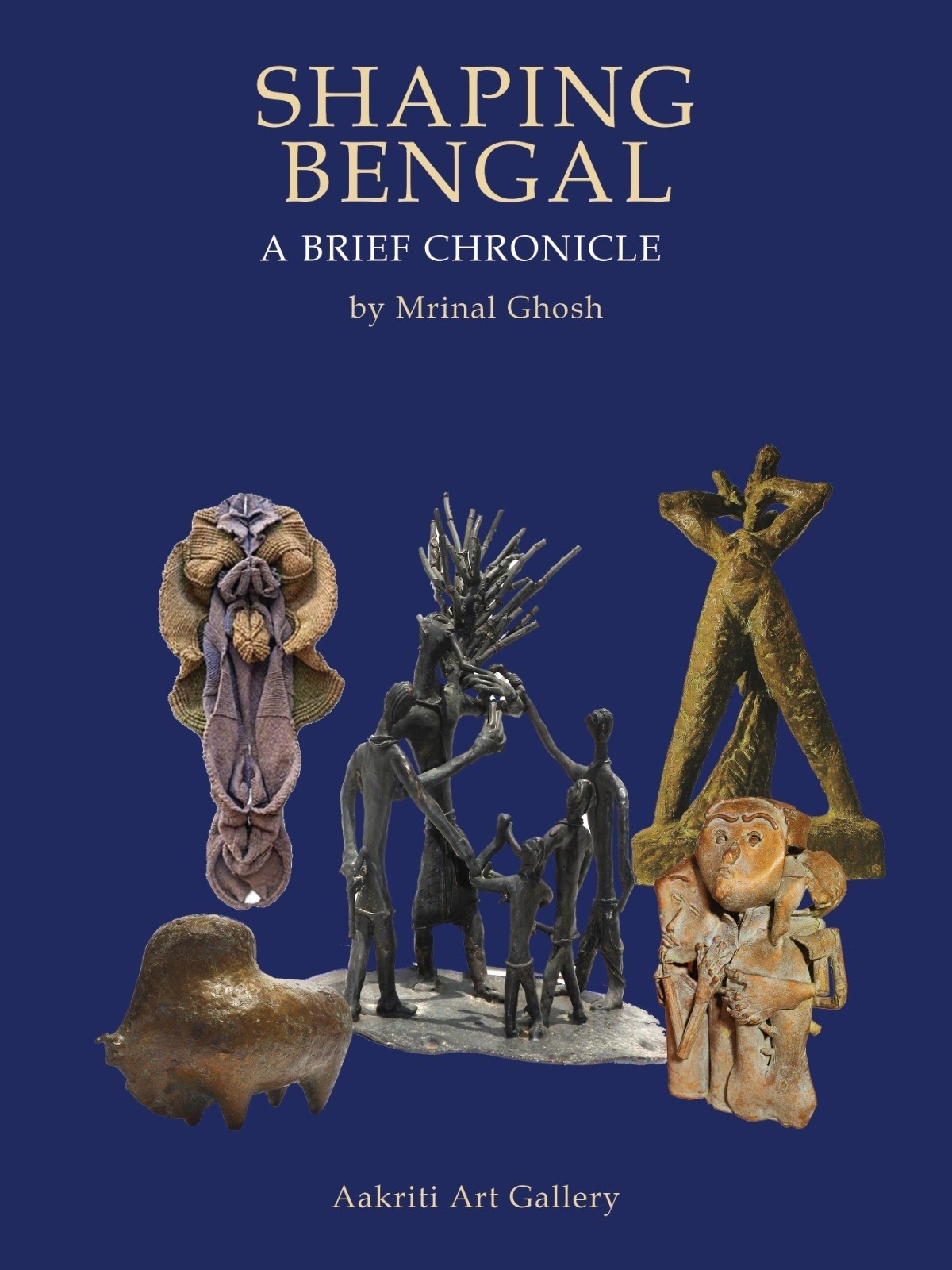
Shaping Bengal : A Chronicle of Modern Sculpture
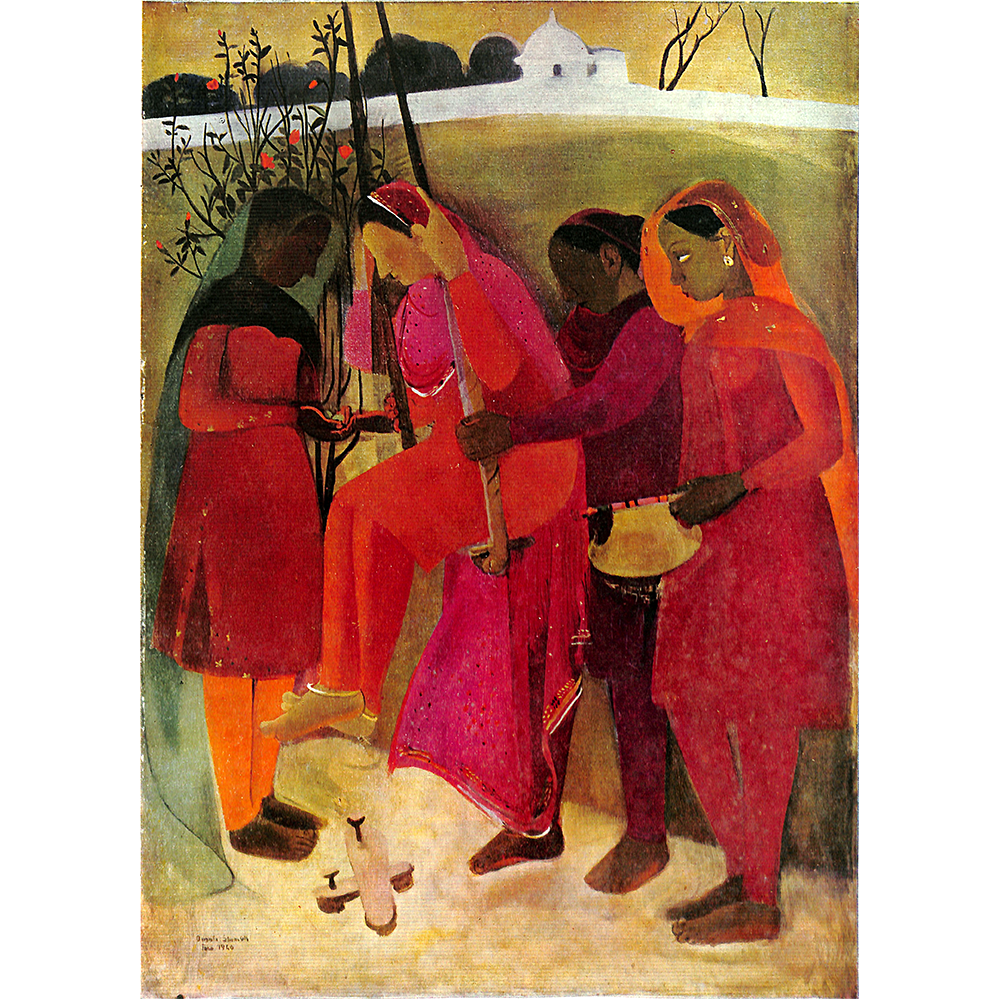
“Europe Belongs to Picasso… India Belongs Only to Me” || Why Amrita Sher-Gil Chose India as Her Artistic Destiny
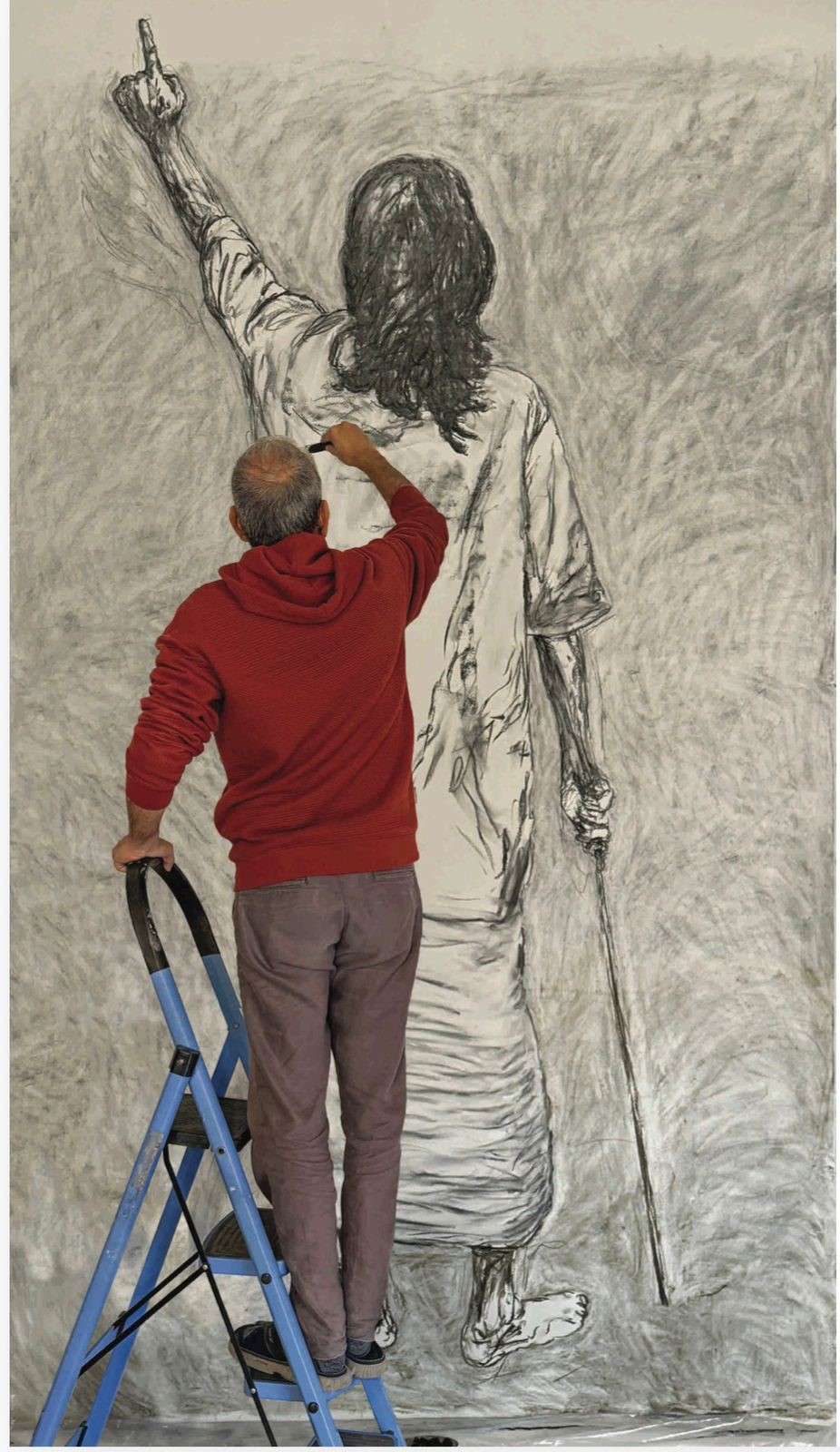
A Star Amongst Too Many: Chandra Bhattacharjee at Birla Academy of Art & Culture
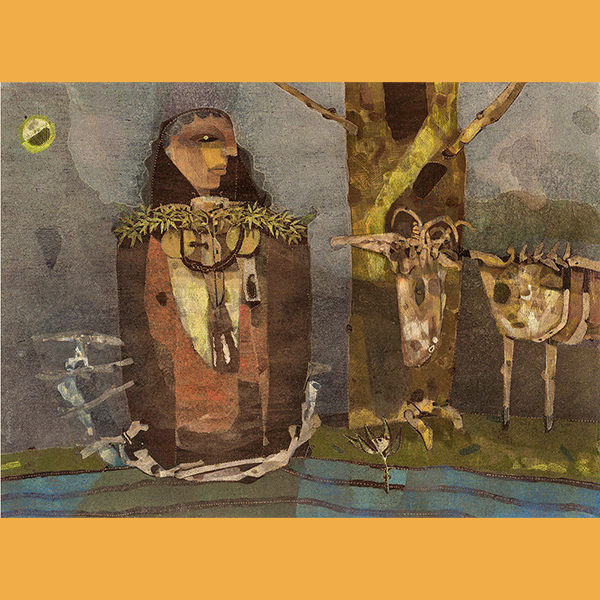
The Indian Art Market Comes of Age
The Resurgence of the Indian Art Market
Comments
Join the Discussion
Please login to post comments.
Login