How Kolkata Shaped Indian Modern Art
A Collector’s Guide to Bengal Modernism and Its Continuing Legacy
-- Research & Compiled by Aakriti Art Gallery team
Any serious discussion of modern Indian art eventually returns to Bengal. While the Bombay Progressives transformed the language of post-Independence Indian painting and Baroda introduced new narrative possibilities, 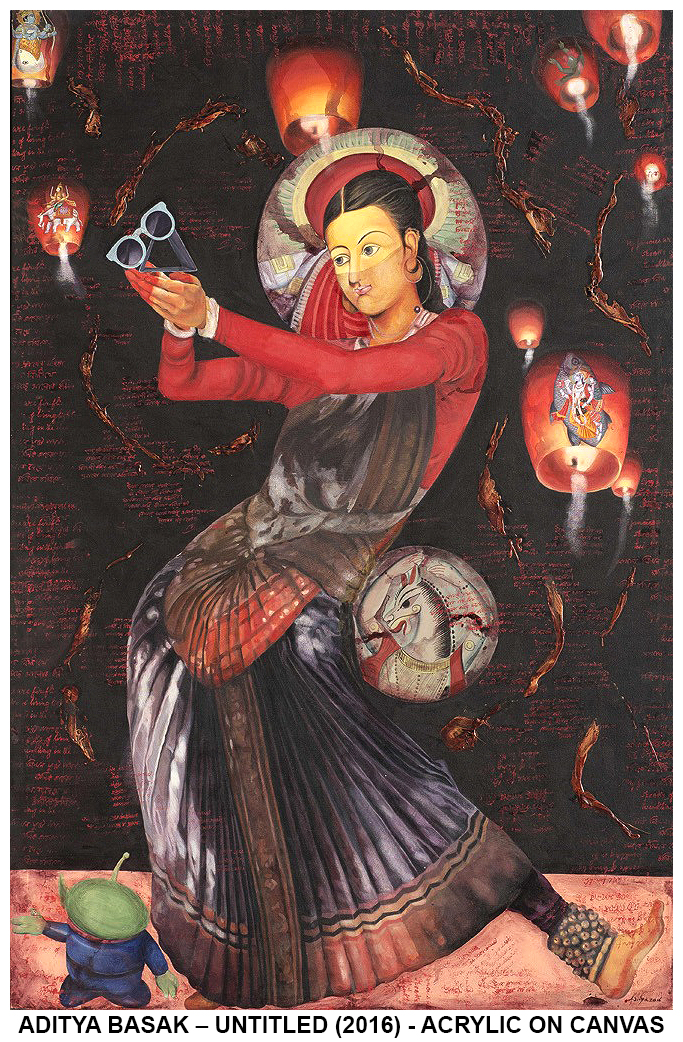 Kolkata remained one of the most intellectually fertile centres of artistic experimentation throughout the twentieth century. The city’s contribution to Indian modernism cannot be understood merely through the Bengal School or the legacy of Santiniketan. Rather, it lies in its remarkable ability to continually reinvent itself while maintaining a deep engagement with history, literature, politics, and cultural memory.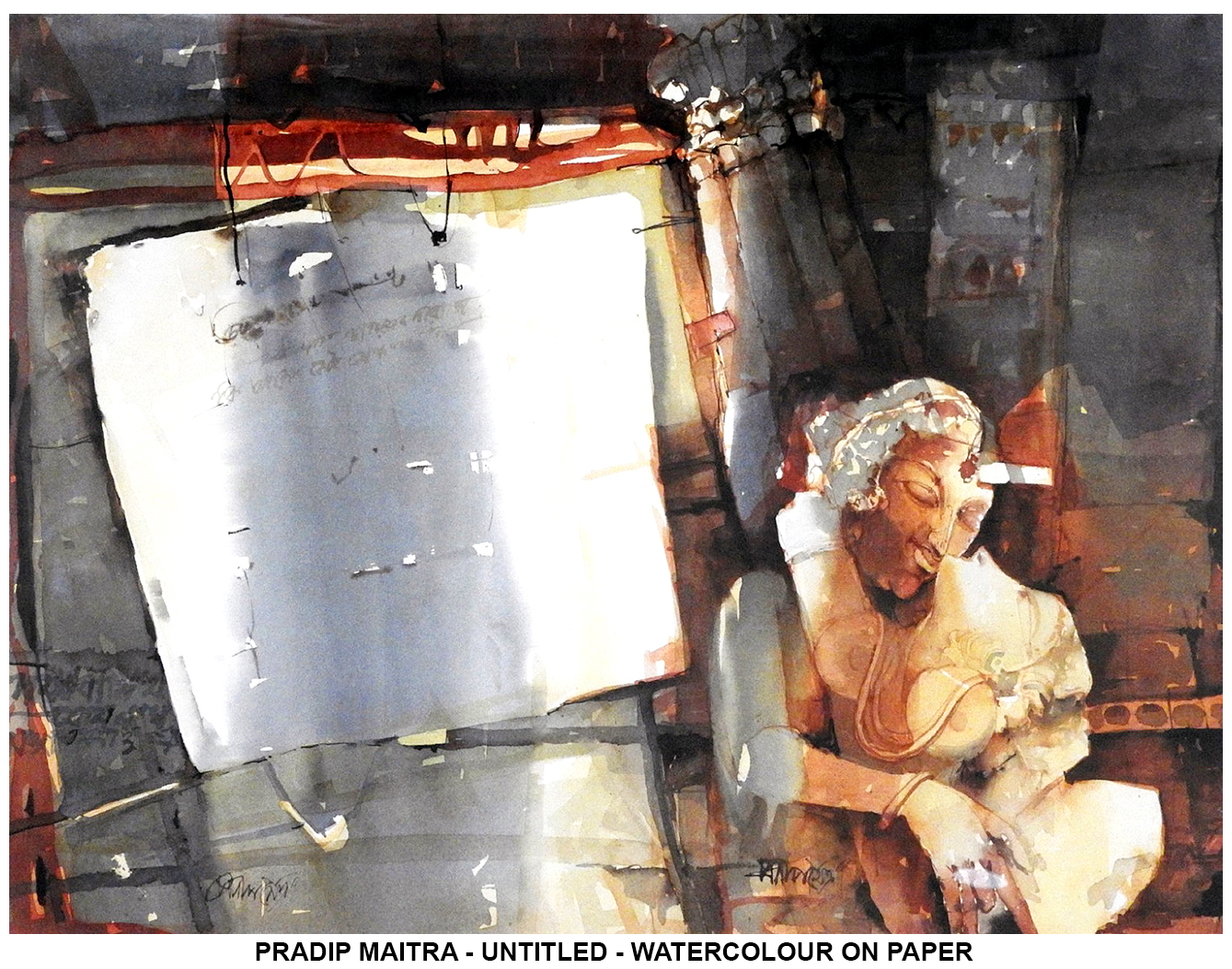
For collectors seeking to understand Indian modern art, Bengal offers a particularly rewarding field of study. Unlike many regional movements that developed around a single aesthetic ideology, Bengal modernism evolved through multiple and often competing approaches. Figurative expression, abstraction, printmaking, sculpture, social realism, folk influences, literary narratives, and experimental modernism all flourished simultaneously. The foundations of modern art in Bengal were laid through institutions such as the Government College of Art & Craft, Kolkata, Kala Bhavana at Santiniketan, the Indian Society of Oriental Art, and later the Society of Contemporary Artists.
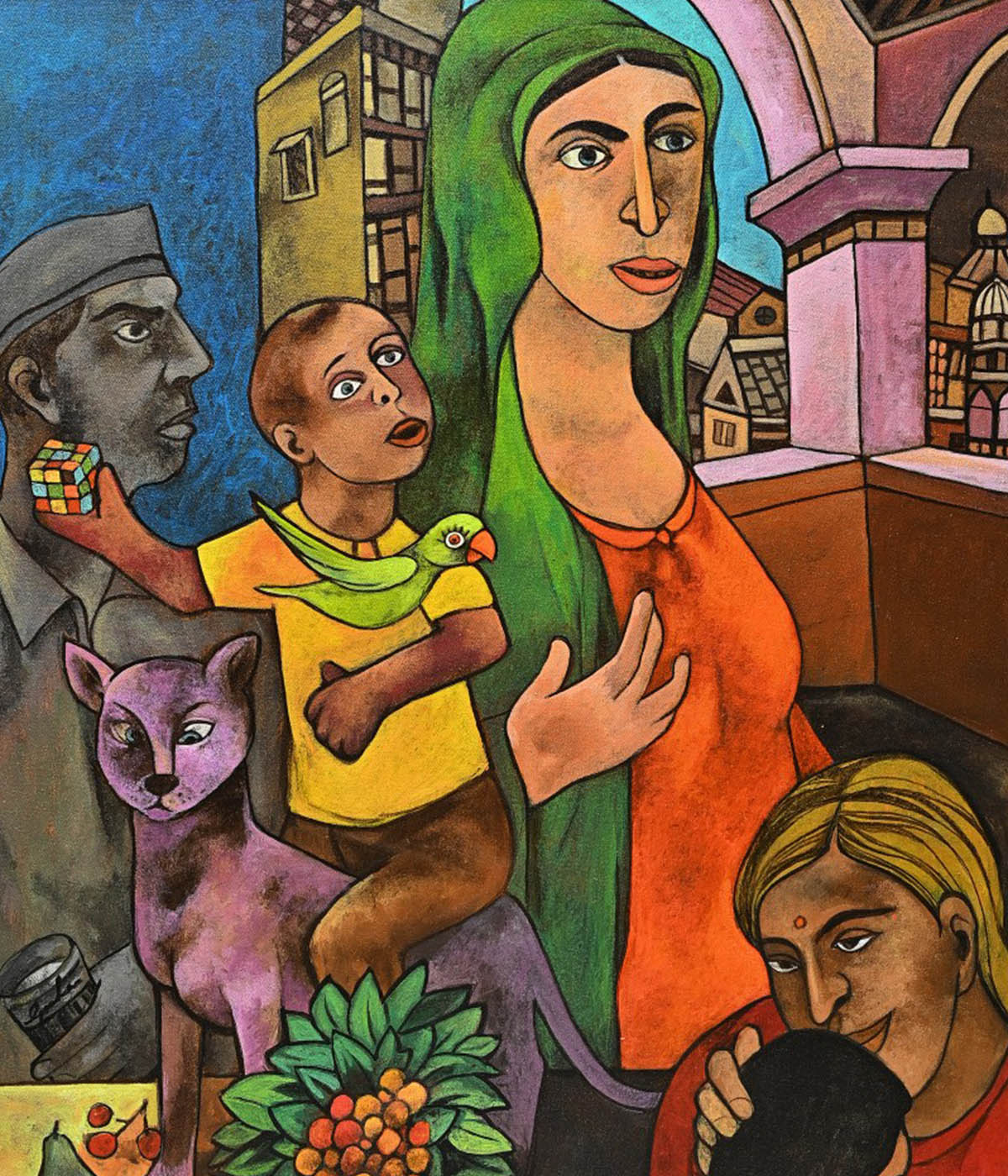
Among contemporary practitioners, Aditya Basak occupies a distinctive position. His works often move between the real and the imagined, constructing visual worlds that are simultaneously political, philosophical, and deeply personal. 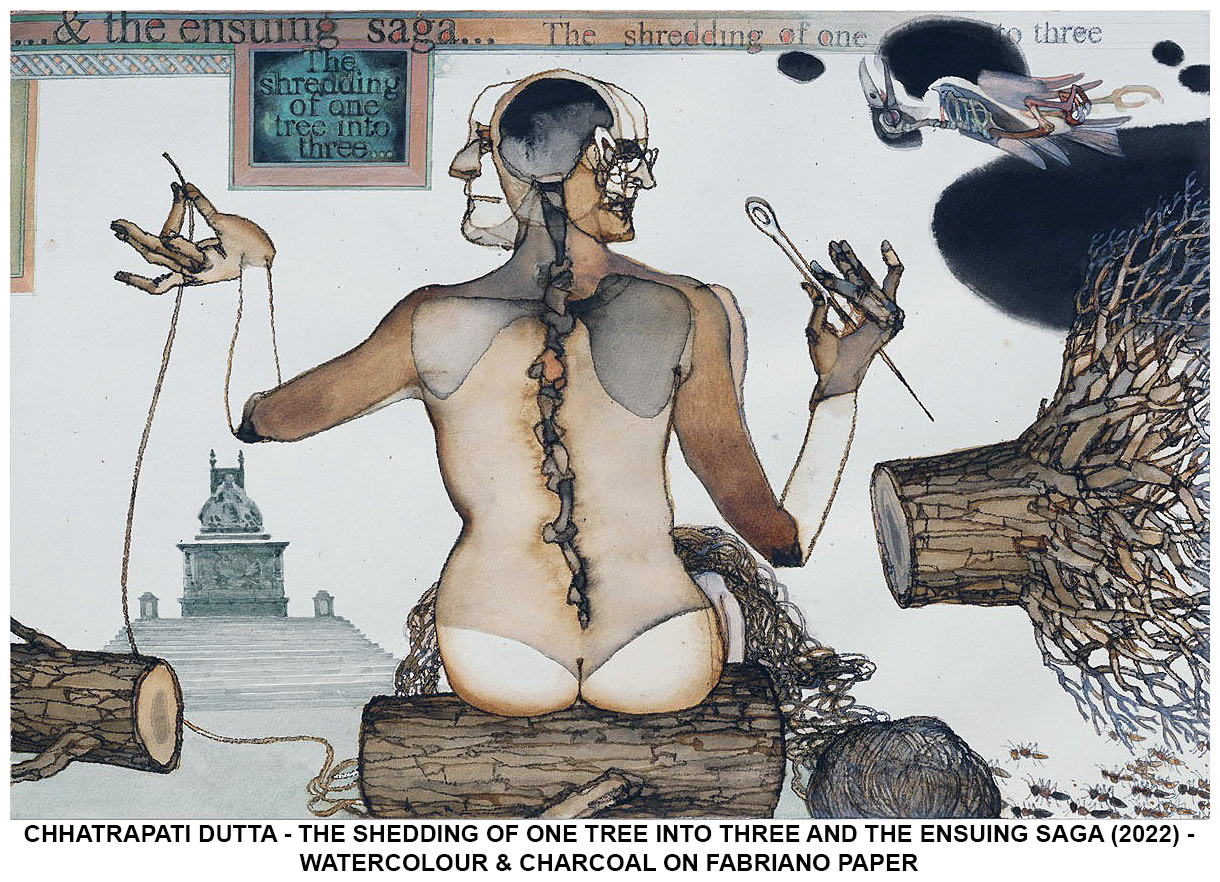
Pradip Maitra represents another important voice within Bengal’s figurative tradition. 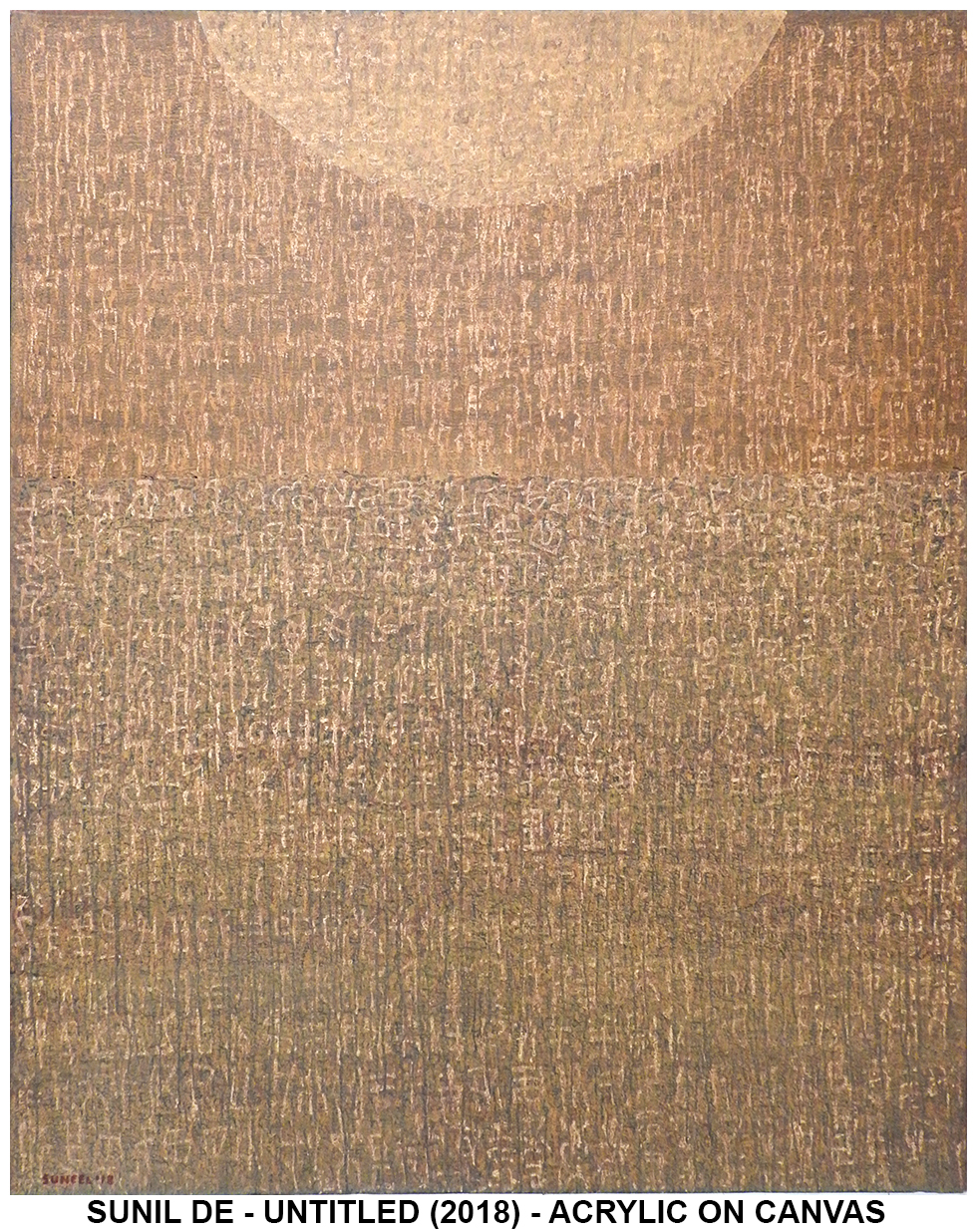 Chandra Bhattacharjee reveals a remarkable command over narrative structure and pictorial space. Sekhar Roy maintained a strong commitment to figurative painting while continually refining his visual language. Chhatrapati Dutta’s paintings reveal an intellectual engagement with image-making that extends beyond representation.
Alongside this figurative lineage, Bengal has also produced some of the most compelling abstract painters in India. Amitava Dhar stands among the most significant contemporary abstractionists working in eastern India today. Sunil De demonstrates how abstraction can communicate movement, energy, and emotional intensity without relying upon direct representation. 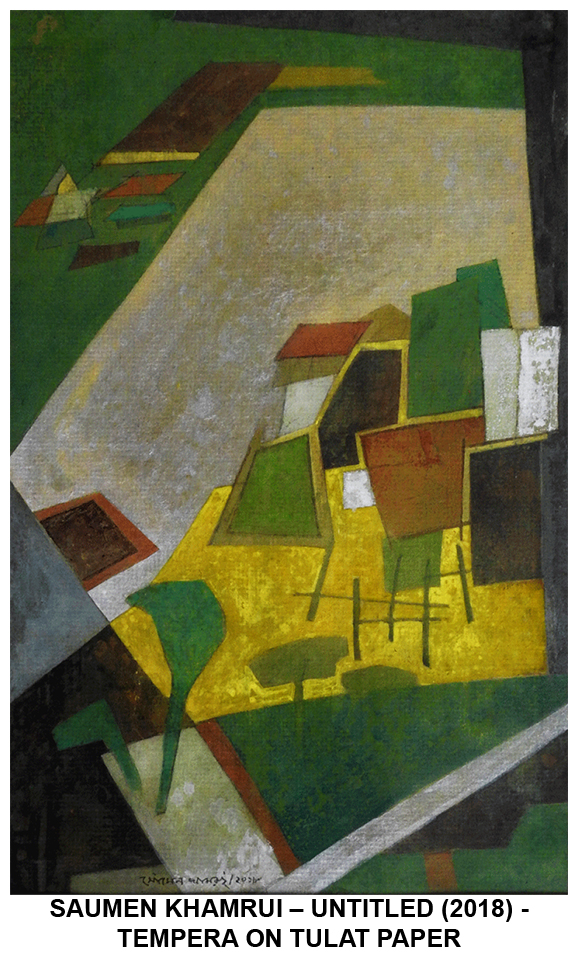 Samindranath Majumdar’s paintings often reveal a lyrical quality rooted in atmosphere and painterly exploration. Saumen Khamrui continues this exploration through works that demonstrate sensitivity towards texture, colour relationships, and compositional balance.
No discussion of Bengal modernism would be complete without acknowledging the region’s extraordinary contribution to printmaking. Atin Basak occupies a particularly significant place within this tradition. 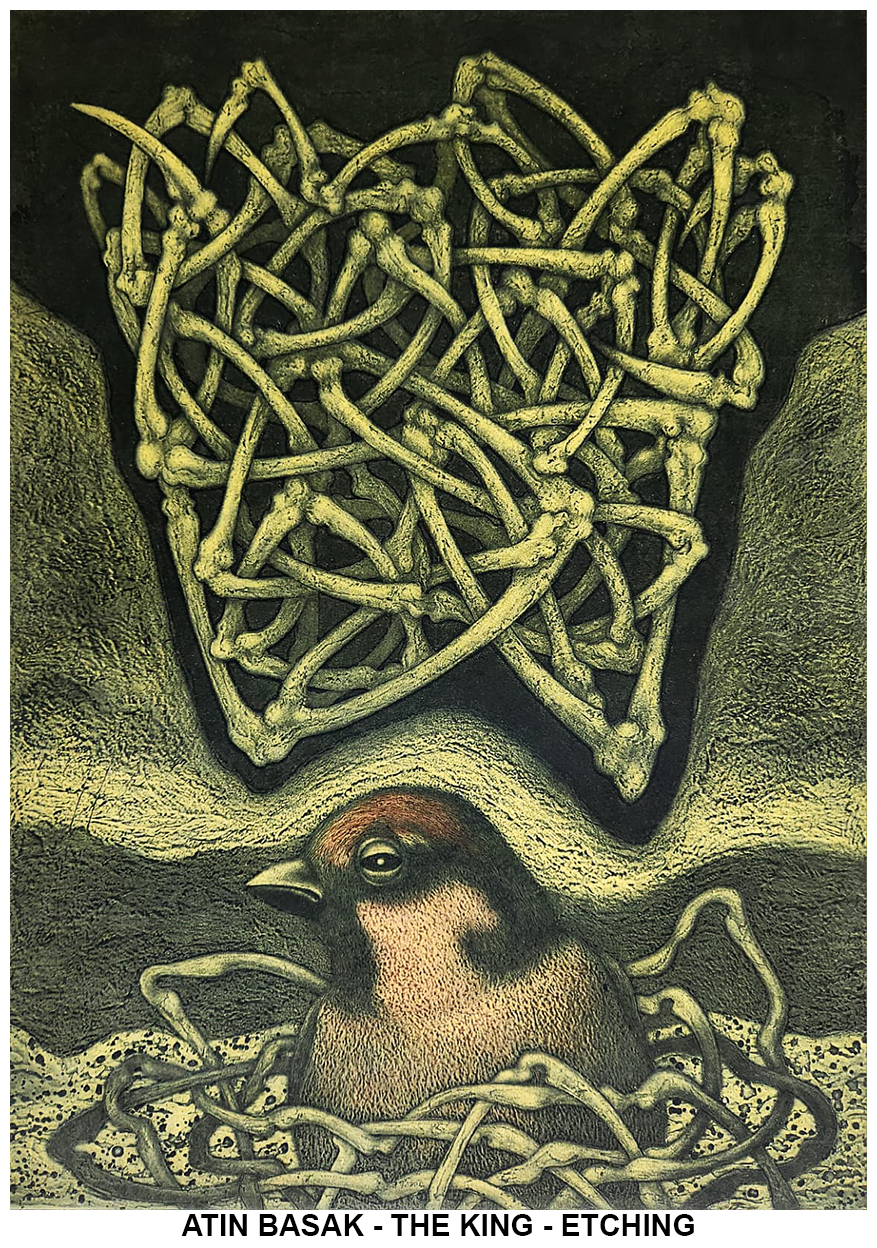 His prints demonstrate an exceptional understanding of graphic language, combining technical mastery with conceptual sophistication.
Perhaps nowhere is Bengal’s influence more visible than in sculpture. Asim Basu represents an important continuation of this legacy. Akhil Das has developed a sculptural language characterised by strength, monumentality, and expressive form. Bimal Kundu occupies a significant position within contemporary Indian sculpture through works that combine craftsmanship, formal refinement, and enduring visual appeal.
What distinguishes Bengal modernism is not a single style but a shared commitment to intellectual seriousness. Whether working in painting, printmaking, or sculpture, Bengal artists have historically approached art as a form of inquiry rather than merely a mode of production. 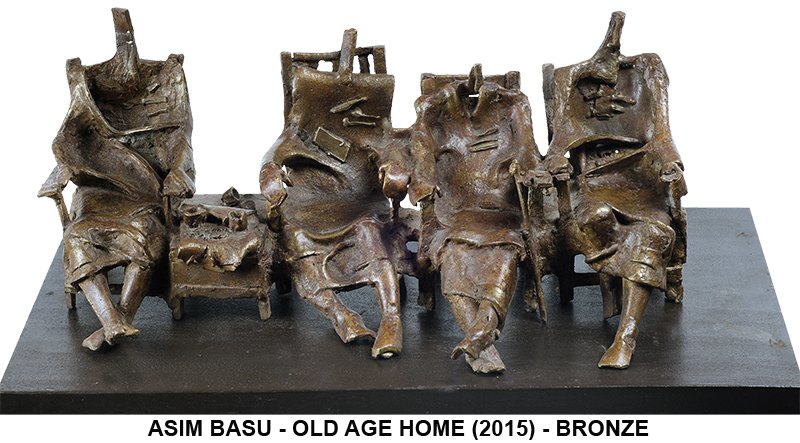
Today, as global interest in Indian modern and contemporary art continues to expand, Bengal remains one of the most important regions for discovering artists whose contributions extend beyond commercial visibility. To understand Bengal modernism is not simply to study a regional movement. It is to understand one of the most important chapters in the history of modern Indian art.
_______________________________________________________________________________________________________________________________________________________________________
Most read articles
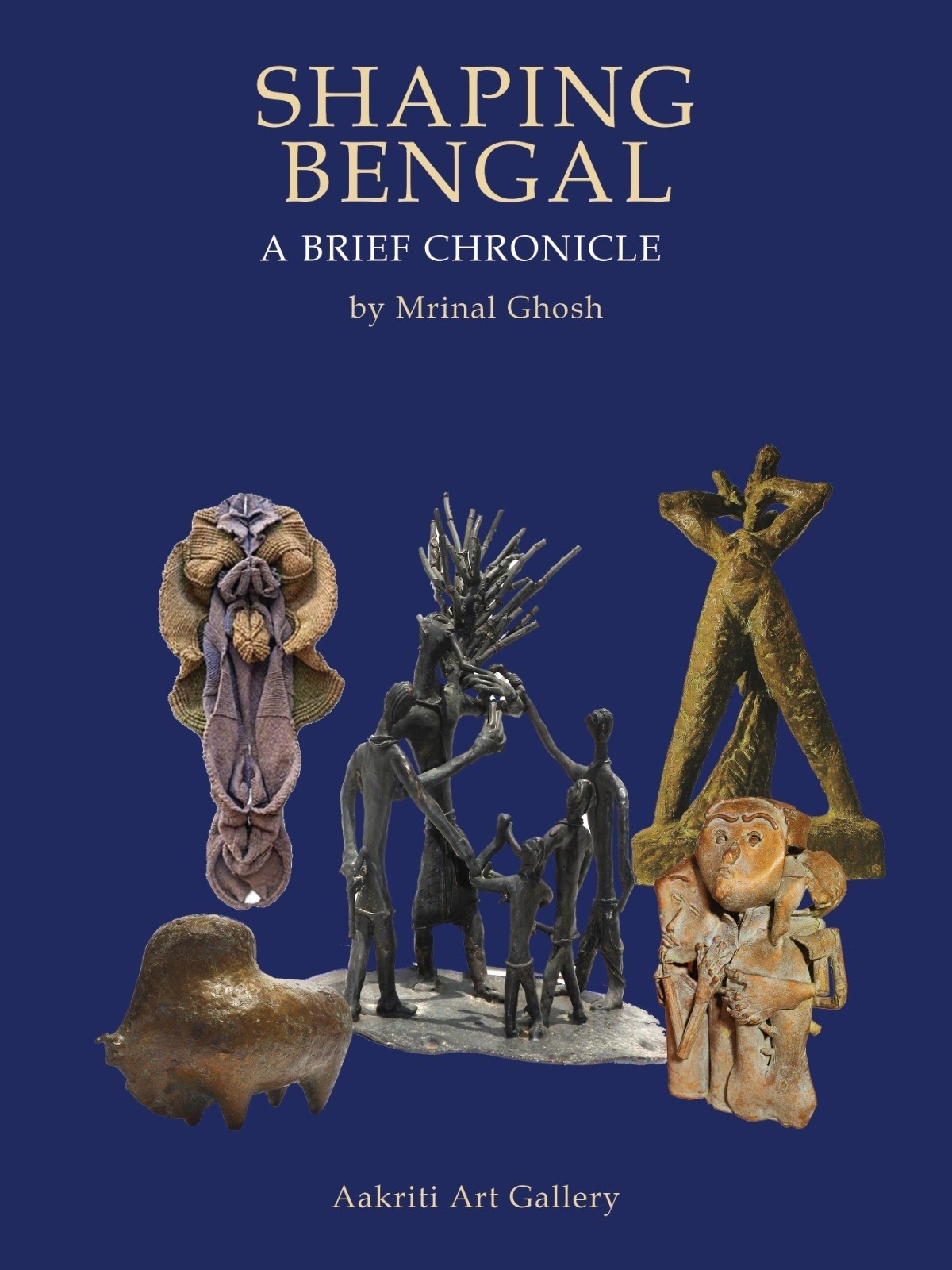
Shaping Bengal : A Chronicle of Modern Sculpture
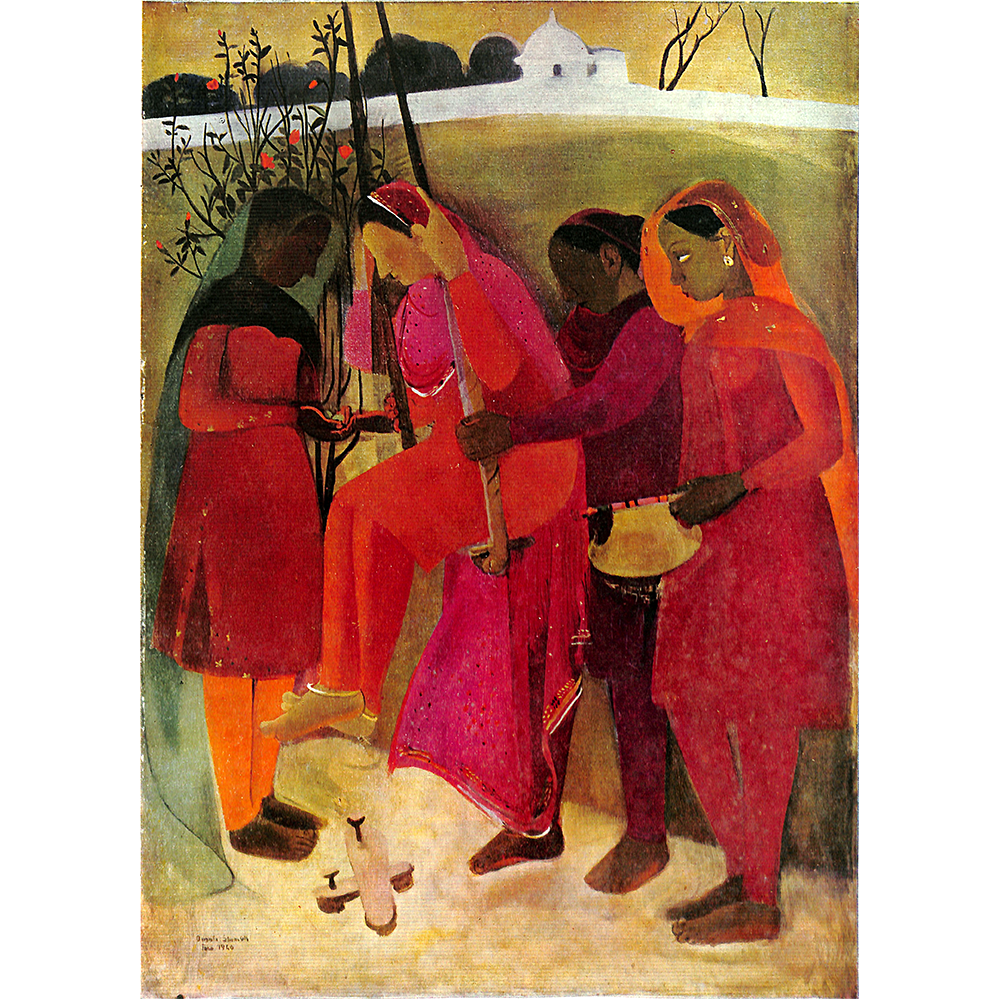
“Europe Belongs to Picasso… India Belongs Only to Me” || Why Amrita Sher-Gil Chose India as Her Artistic Destiny
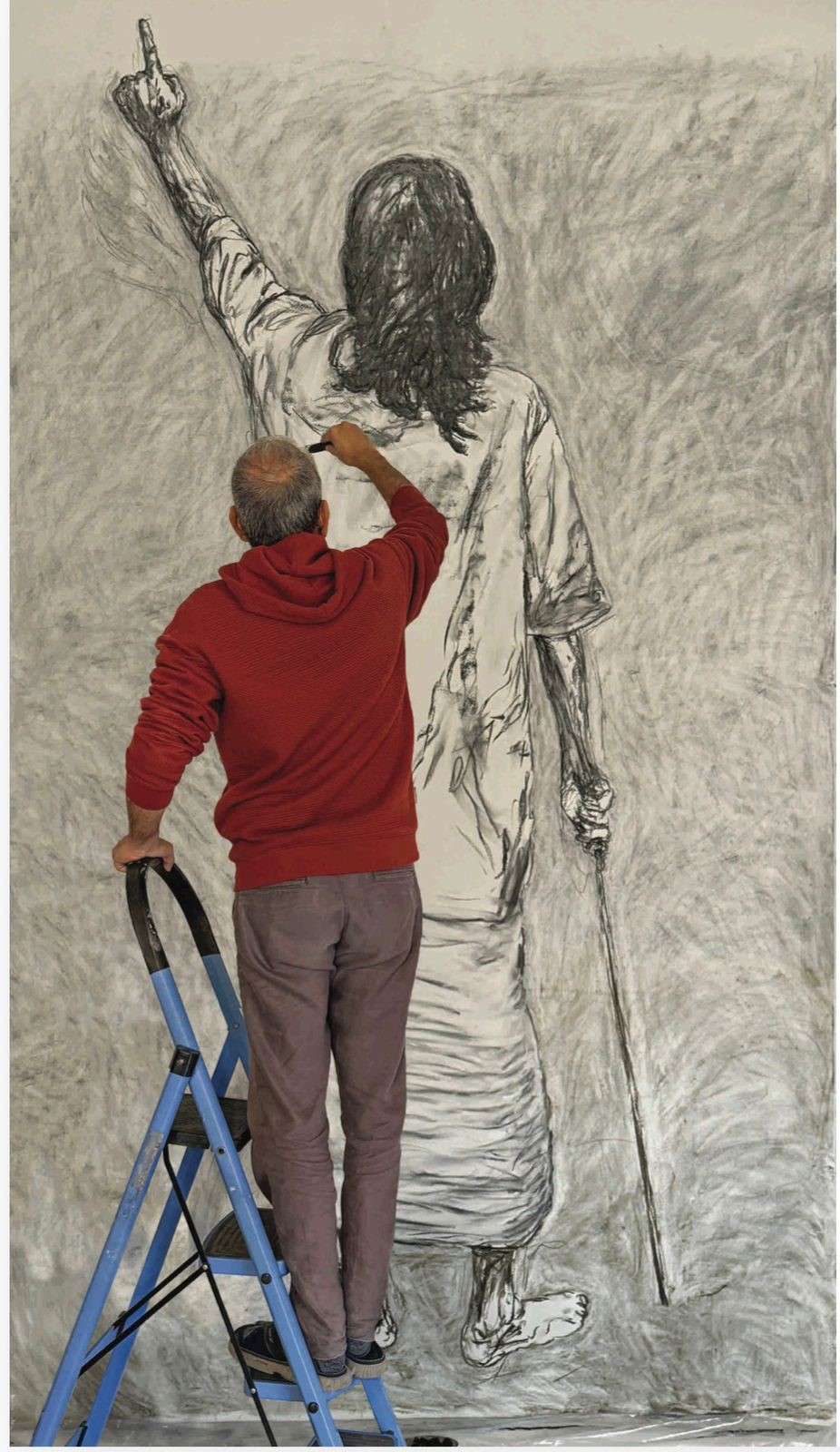
A Star Amongst Too Many: Chandra Bhattacharjee at Birla Academy of Art & Culture
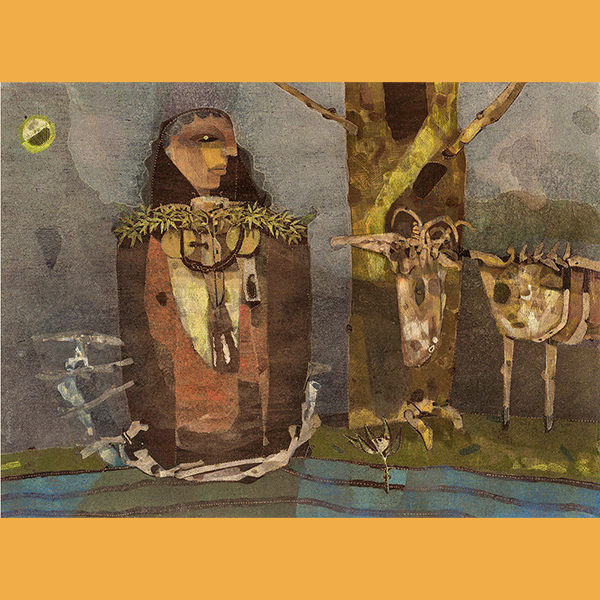
The Indian Art Market Comes of Age
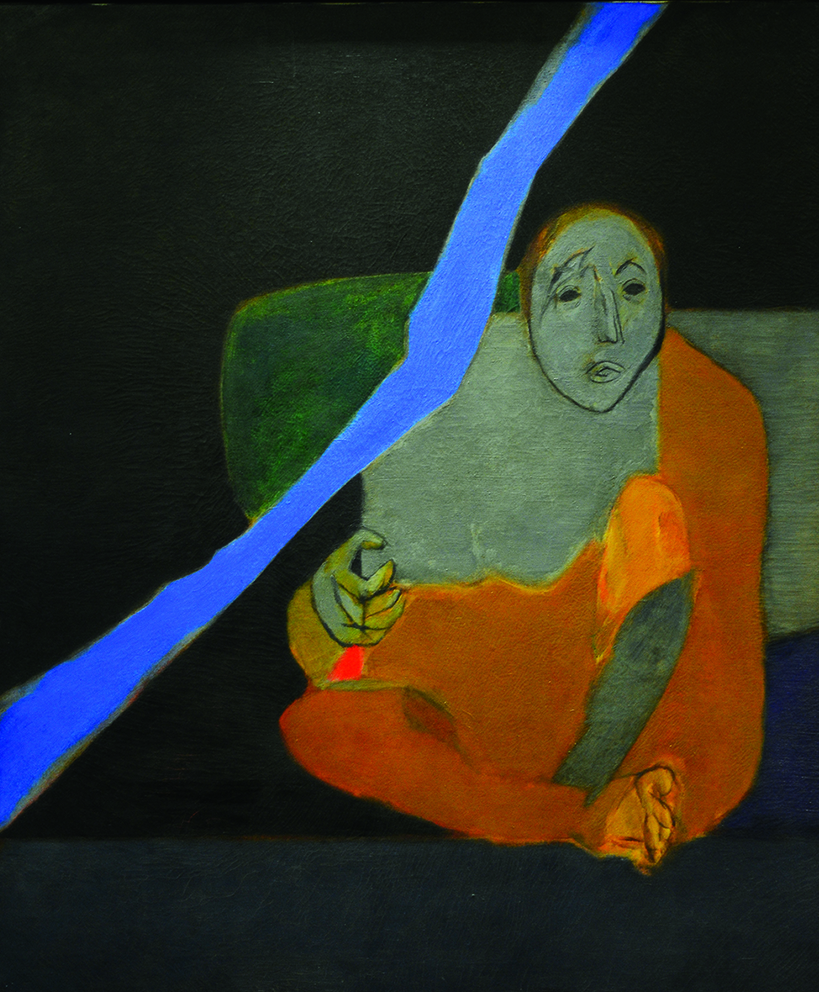
The Resurgence of the Indian Art Market
Comments
Join the Discussion
Please login to post comments.
Login