P. R. Narvekar: Life, Art and Legacy of a Quiet Modernist
Explore the life and artistic journey of P.R. Narvekar, the modern Indian painter known for his elongated figures, monochromatic palette and deeply contemplative visual language.
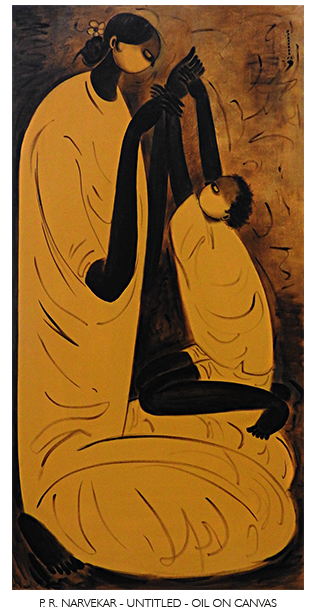 The history of modern Indian art is often dominated by a relatively small group of celebrated names. The Progressives, the Baroda School, the Bengal modernists and the major auction stars frequently occupy the centre of art historical discussions. Yet beyond these well-known narratives exists another history—one shaped by artists who worked quietly, consistently and with remarkable conviction, often outside the glare of institutional recognition.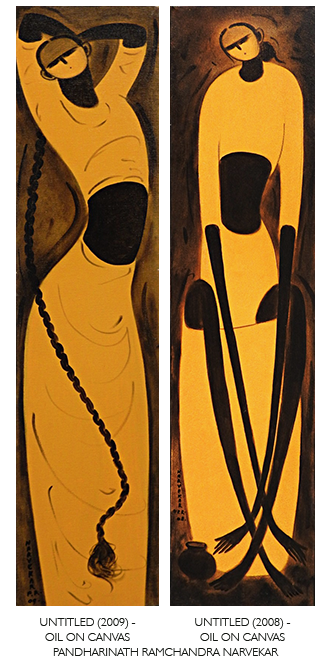
Among such figures is P. R. Narvekar (1950–2021), an artist whose work combined technical refinement, emotional sensitivity and philosophical introspection. Over several decades, Narvekar developed a distinctive visual language marked by elongated figures, subdued colours and an atmosphere of contemplative stillness. His paintings invite viewers not merely to observe but to reflect, offering an experience that unfolds gradually rather than immediately.
Today, as collectors and scholars increasingly revisit overlooked strands of Indian modernism, Narvekar’s work appears particularly worthy of renewed attention.
Early Life and Education
Pandharinath Ramchandra Narvekar was born in 1950 and displayed an interest in drawing and painting from an early age. His artistic abilities eventually led him to the prestigious Sir J. J. School of Art in Mumbai, one of India’s most influential centres for art education. He graduated with distinction and received a Gold Medal for his achievements, an early indication of the talent that would shape his career.
The J. J. School occupied a unique position within Indian art. While rooted in academic training, it also exposed students to emerging modernist ideas and diverse artistic traditions. For Narvekar, this environment provided both technical discipline and intellectual freedom.
Unlike many artists who became closely associated with specific movements or manifestos, Narvekar gradually forged an independent path. His work evolved through sustained observation and personal reflection rather than adherence to fashionable artistic trends.
A Language of Quiet Observation
One of the most striking features of Narvekar’s art is its refusal to overwhelm the viewer. His paintings rarely rely on dramatic narratives, political statements or visual spectacle. Instead, they draw their strength from subtle emotional resonance.
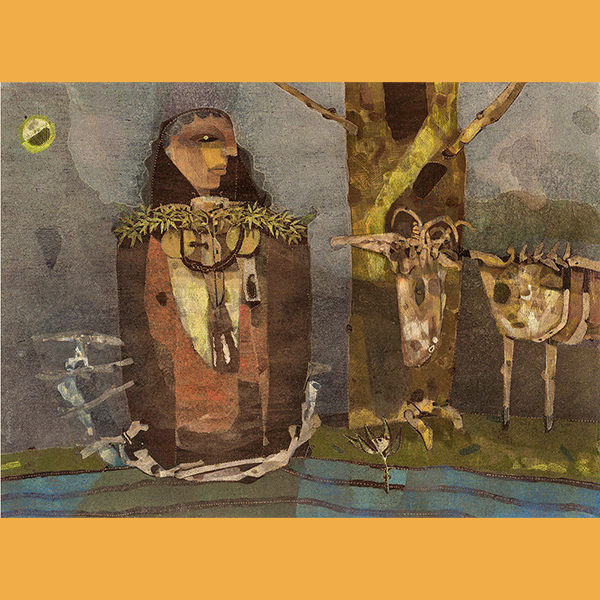
Human figures occupy a central place in his oeuvre. Women, musicians, solitary individuals and everyday subjects appear repeatedly, often rendered with elongated proportions and graceful contours. These figures seem suspended between reality and memory, inhabiting spaces that feel simultaneously familiar and dreamlike.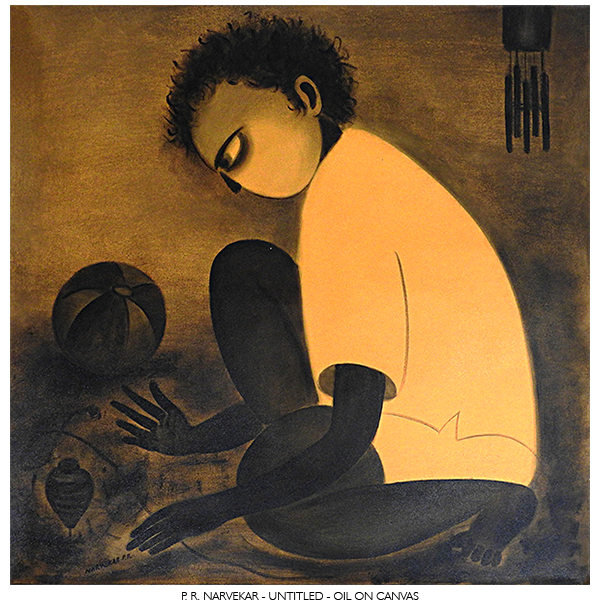 Narvekar’s art demonstrates a profound understanding of the expressive potential of restraint. Rather than describing every detail, he allows forms to emerge gradually through carefully balanced compositions and controlled tonal relationships.
The result is an atmosphere of introspection that distinguishes his work from many of his contemporaries.
The Power of Monochrome
Perhaps no aspect of Narvekar’s work is more characteristic than his use of colour.
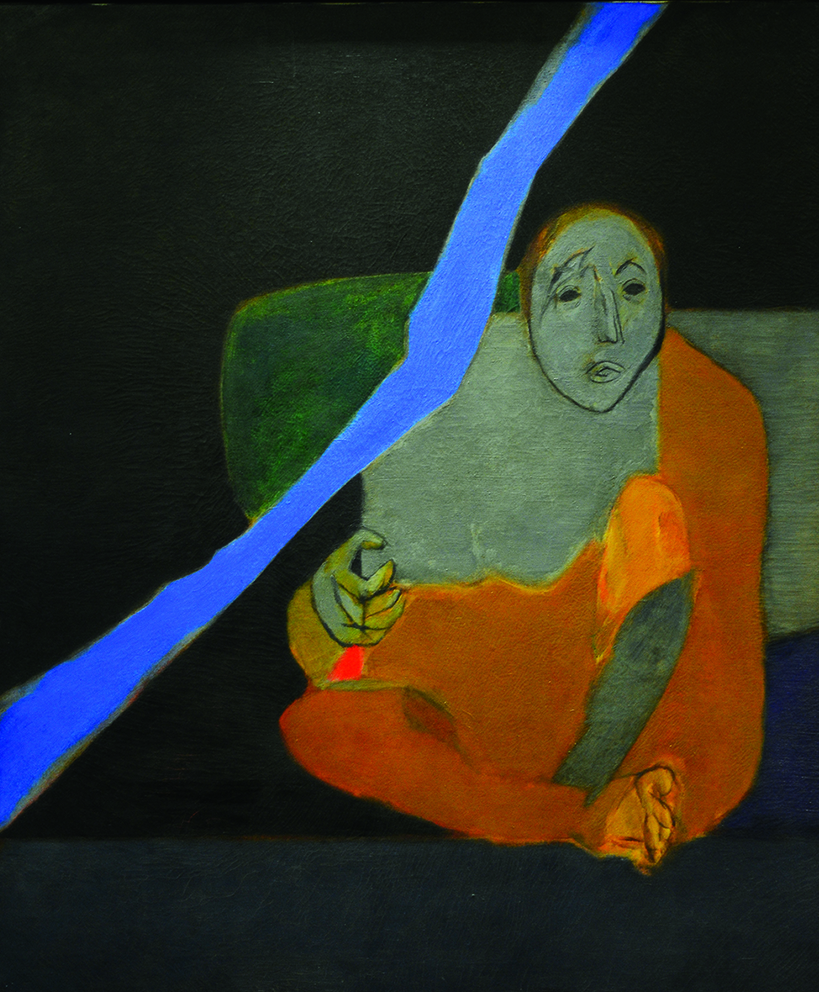
Many of his most memorable paintings employ a restrained palette dominated by ochres, browns, blacks and muted earth tones. These colours are not merely aesthetic choices; they function as emotional instruments. The tension between light and darkness, presence and absence, hope and melancholy becomes central to the visual experience.
The monochromatic tendency found in many of his works creates a sense of timelessness. Freed from the distractions of vivid colour, viewers are encouraged to focus on gesture, form and psychological atmosphere.
This approach places Narvekar within a broader tradition of artists who recognised that emotional complexity often emerges through limitation rather than excess.
The Human Figure as Metaphor
Although Narvekar is often described as a figurative painter, his figures function less as portraits and more as symbols of universal human experience.
His women are neither purely decorative nor overtly narrative. They exist as contemplative presences, embodying states of reflection, longing, solitude or quiet dignity. Their elongated forms have occasionally invited comparisons with European modernists such as Amedeo Modigliani, yet Narvekar’s artistic concerns remain rooted in an Indian sensibility shaped by memory, culture and everyday experience.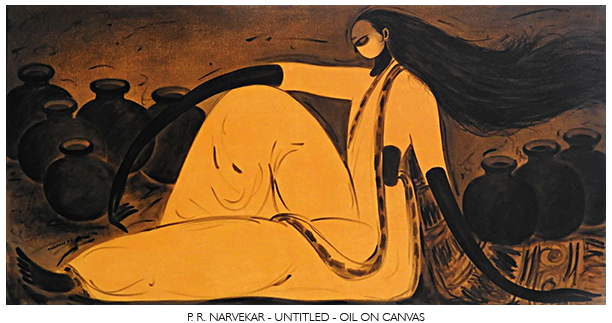
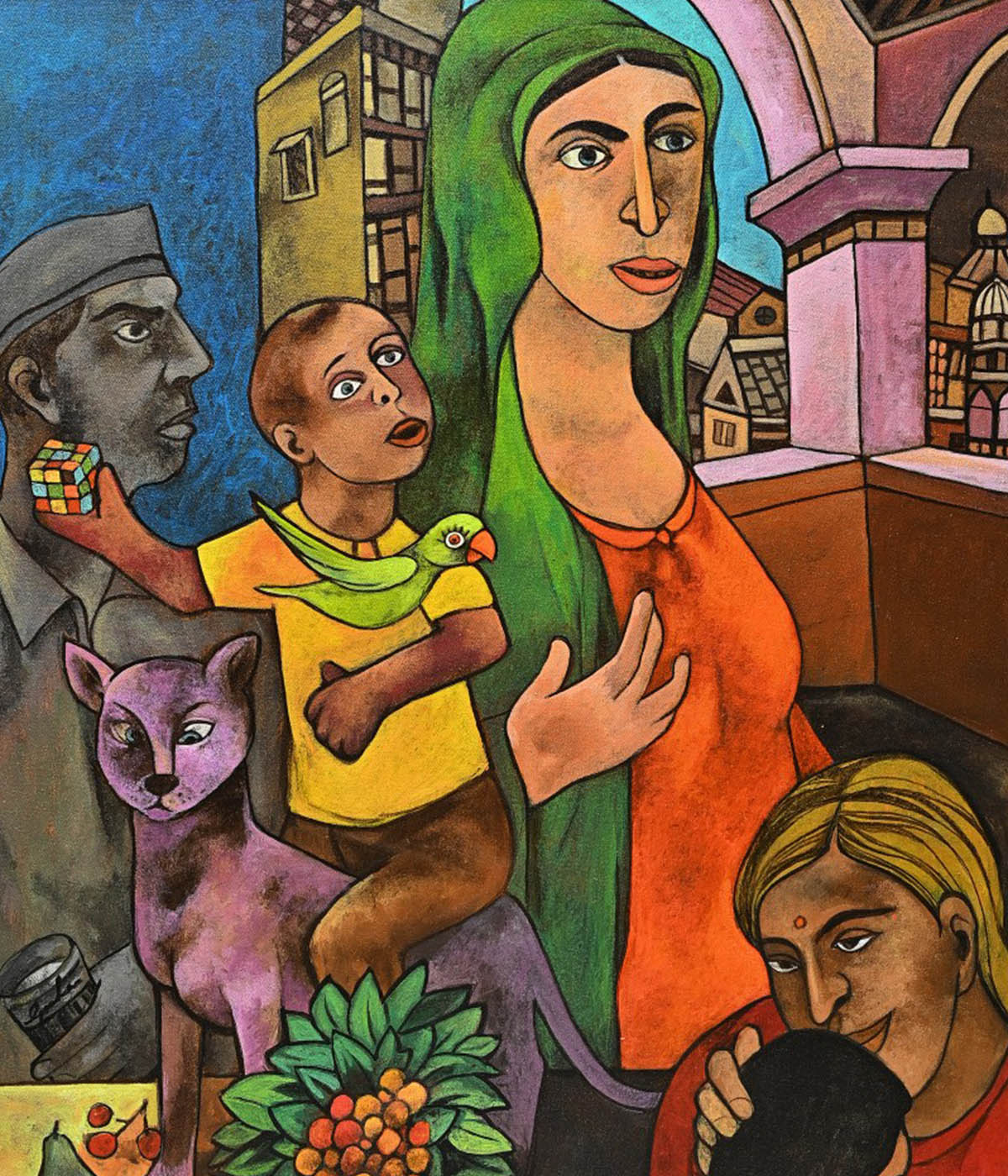
Musicians, mothers, village women and anonymous figures appear throughout his work, yet they rarely belong to a specific place or moment. Instead, they become archetypes through which broader emotional truths are explored.
This universality contributes significantly to the enduring appeal of his paintings.
Beyond Painting
Although primarily known as a painter, Narvekar’s artistic practice extended beyond the canvas. He worked across multiple media, including sculpture and murals, demonstrating an interest in form that transcended conventional categories.
This versatility reflects a broader understanding of artistic practice. Rather than treating painting as an isolated discipline, Narvekar approached visual expression as a unified field in which different materials and formats could serve related aesthetic purposes.
Such breadth of engagement remains an important, though often overlooked, aspect of his career.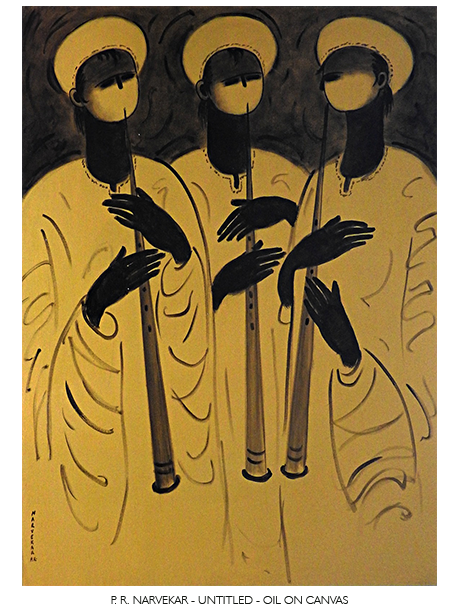
Outside the Mainstream
One reason Narvekar remains less discussed than many contemporaries may be precisely because he did not align himself strongly with dominant artistic movements.
Indian art history often privileges artists associated with influential groups, institutions or ideological positions. Narvekar belonged to a different category of artist—one whose career was built through sustained studio practice rather than public visibility.
Yet it is often these quieter careers that reveal the richness and diversity of Indian modernism. They remind us that artistic significance is not always measured by controversy, celebrity or market attention.
Narvekar’s work demonstrates how an artist can remain committed to a personal vision over decades while continuing to evolve and deepen that vision.
Reappraising Narvekar Today
In recent years, renewed interest in lesser-studied modernists has encouraged scholars and collectors to look beyond the established canon. Within this broader reassessment, P. R. Narvekar occupies an important position.
His paintings combine formal sophistication with emotional accessibility. They are rooted in observation yet transcend literal description. They speak quietly but linger in the mind long after viewing.
As museums, galleries and researchers continue to expand the narratives of modern Indian art, Narvekar’s contribution appears increasingly significant. His work offers an alternative model of modernism—one grounded not in radical rupture or grand declarations, but in contemplation, empathy and the patient exploration of human experience.
P. R. Narvekar belongs to a generation of artists who enriched modern Indian art through sustained commitment to personal vision rather than public spectacle. His elongated figures, restrained palette and deeply reflective imagery reveal an artist concerned with the emotional and philosophical dimensions of existence.
Though less frequently discussed than many of his contemporaries, his work occupies an important place within the broader landscape of Indian modernism. Revisiting Narvekar today is not simply an act of historical recovery. It is an opportunity to recognise the value of quiet observation, emotional depth and artistic integrity in a period often dominated by louder narratives.
In an art world increasingly shaped by speed and visibility, P. R. Narvekar reminds us of the enduring power of silence.
Selected Bibliography
- Sir J. J. School of Art archival records.
- AstaGuru Artist Profile on P. R. Narvekar.
- Saffron Art Artist Profile on P. R. Narvekar.
- Aakriti Art Gallery Artist Profile.
- Great Banyan Art, Artist Profile.
- Exhibition reviews and gallery catalogues relating to P. R. Narvekar.
-- Research & Compiled by Aakriti Art Gallery team
Most read articles
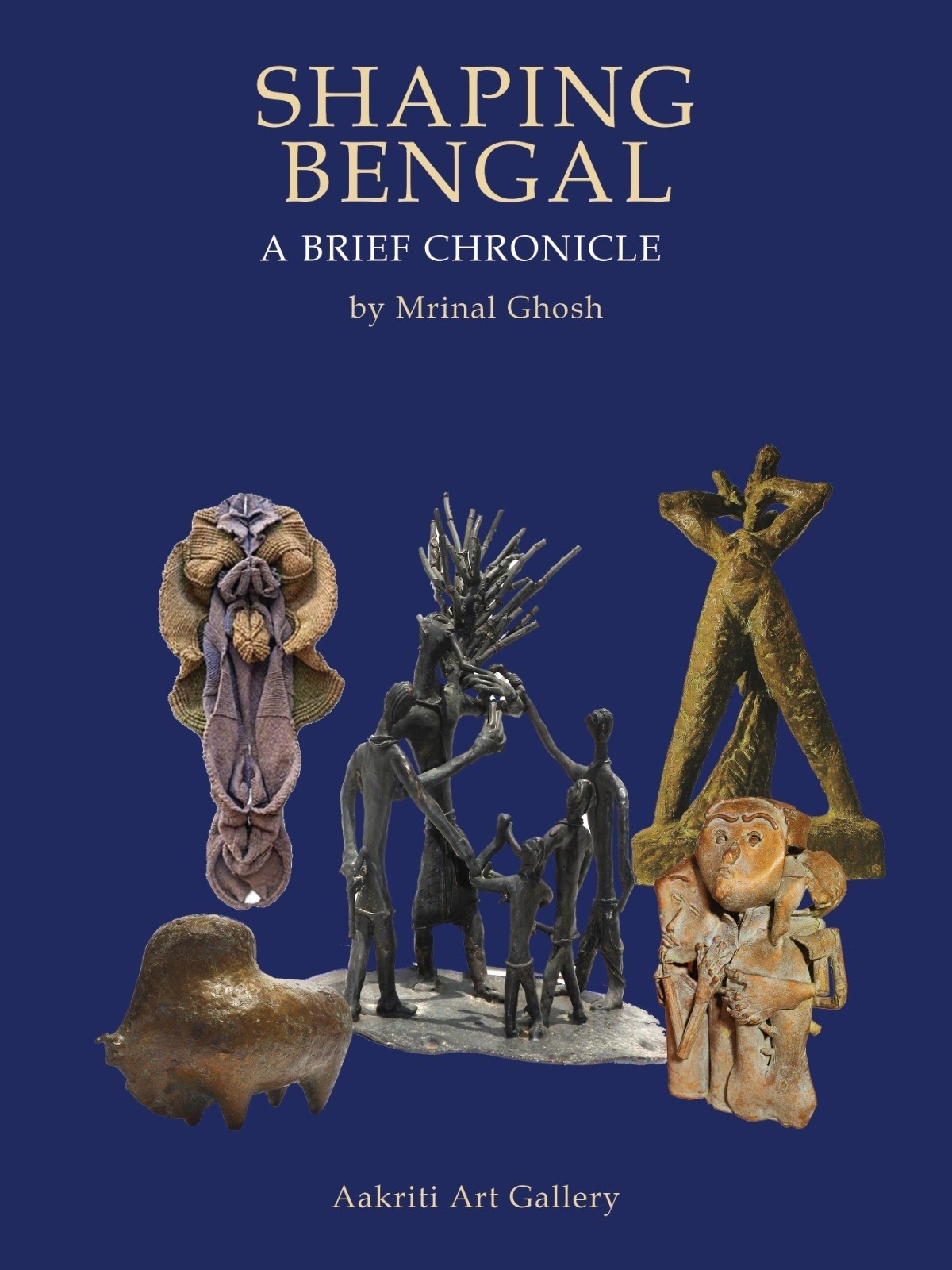
Shaping Bengal : A Chronicle of Modern Sculpture
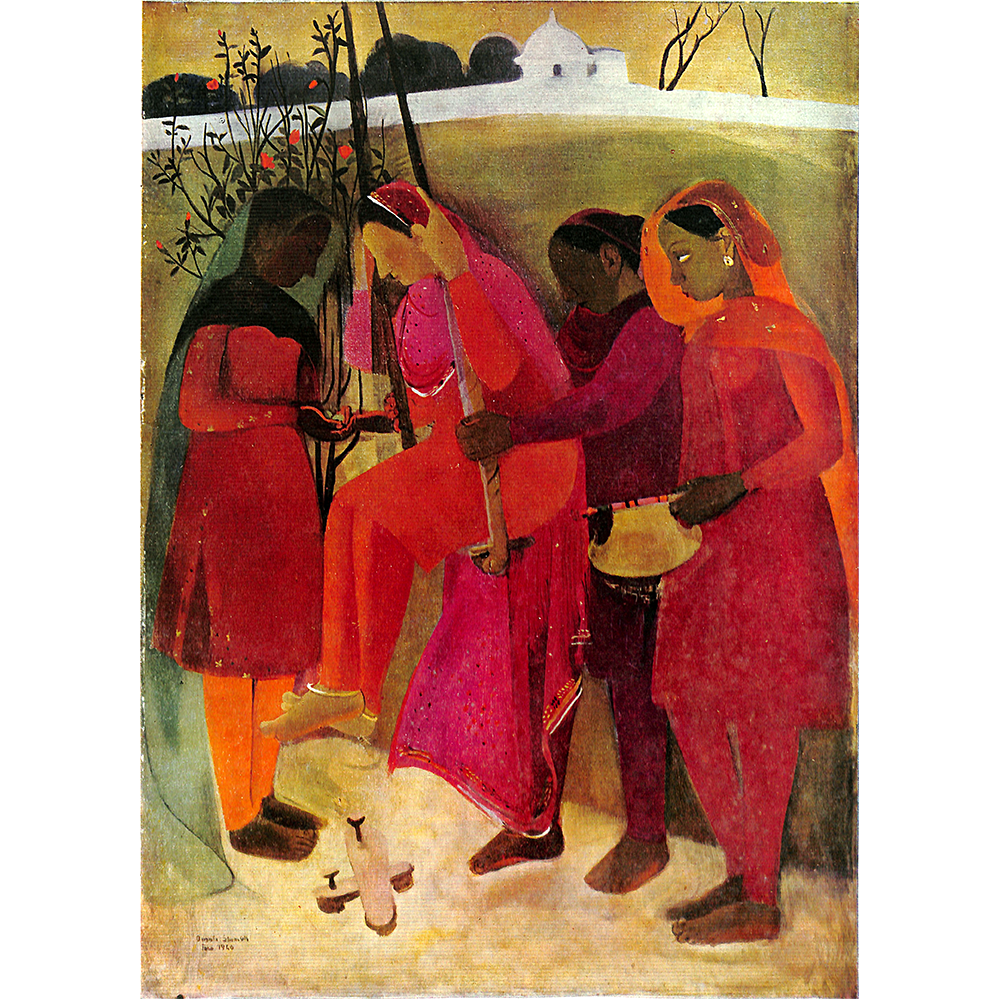
“Europe Belongs to Picasso… India Belongs Only to Me” || Why Amrita Sher-Gil Chose India as Her Artistic Destiny
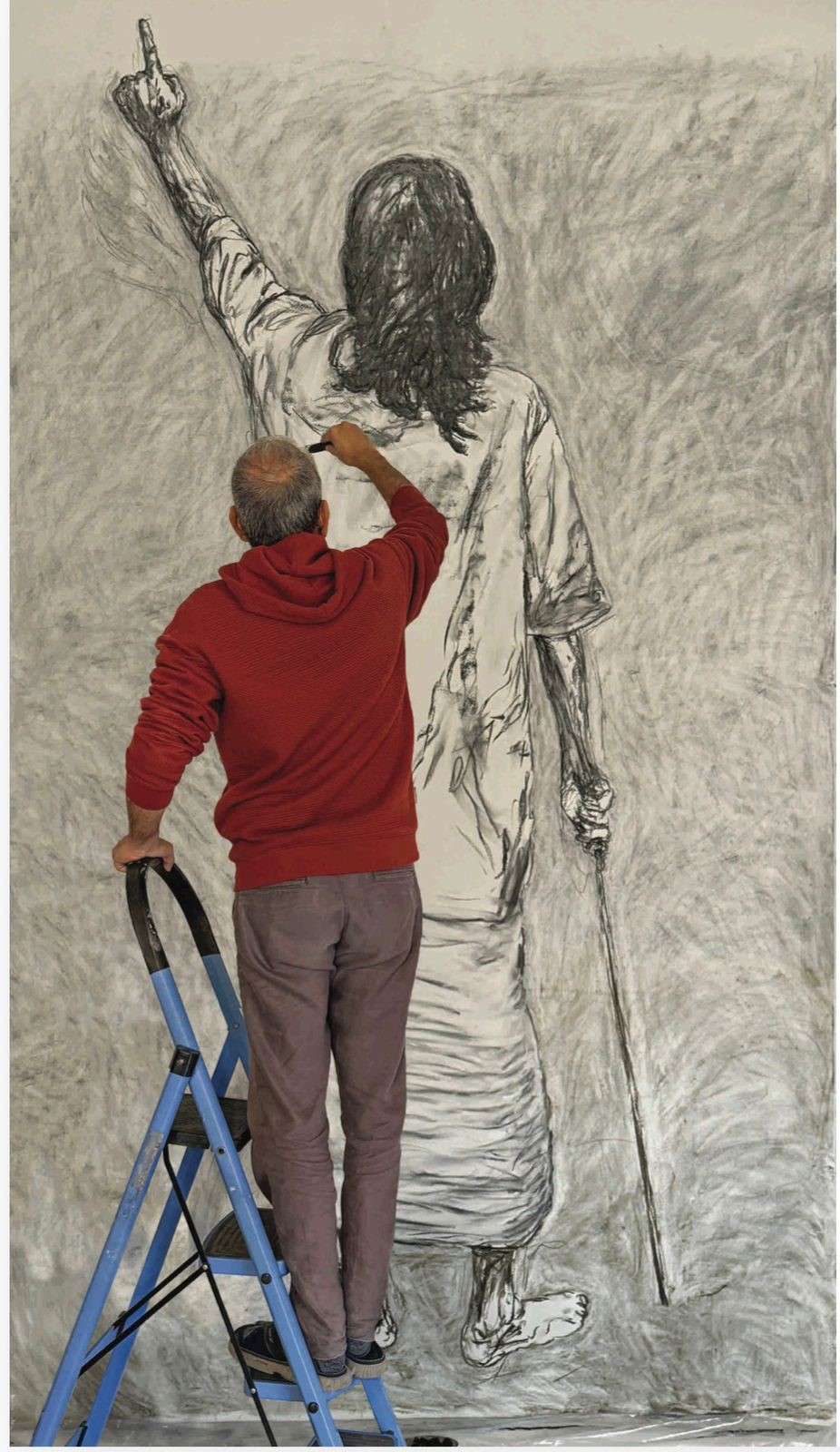
A Star Amongst Too Many: Chandra Bhattacharjee at Birla Academy of Art & Culture
The Indian Art Market Comes of Age
The Resurgence of the Indian Art Market
Comments
Join the Discussion
Please login to post comments.
Login