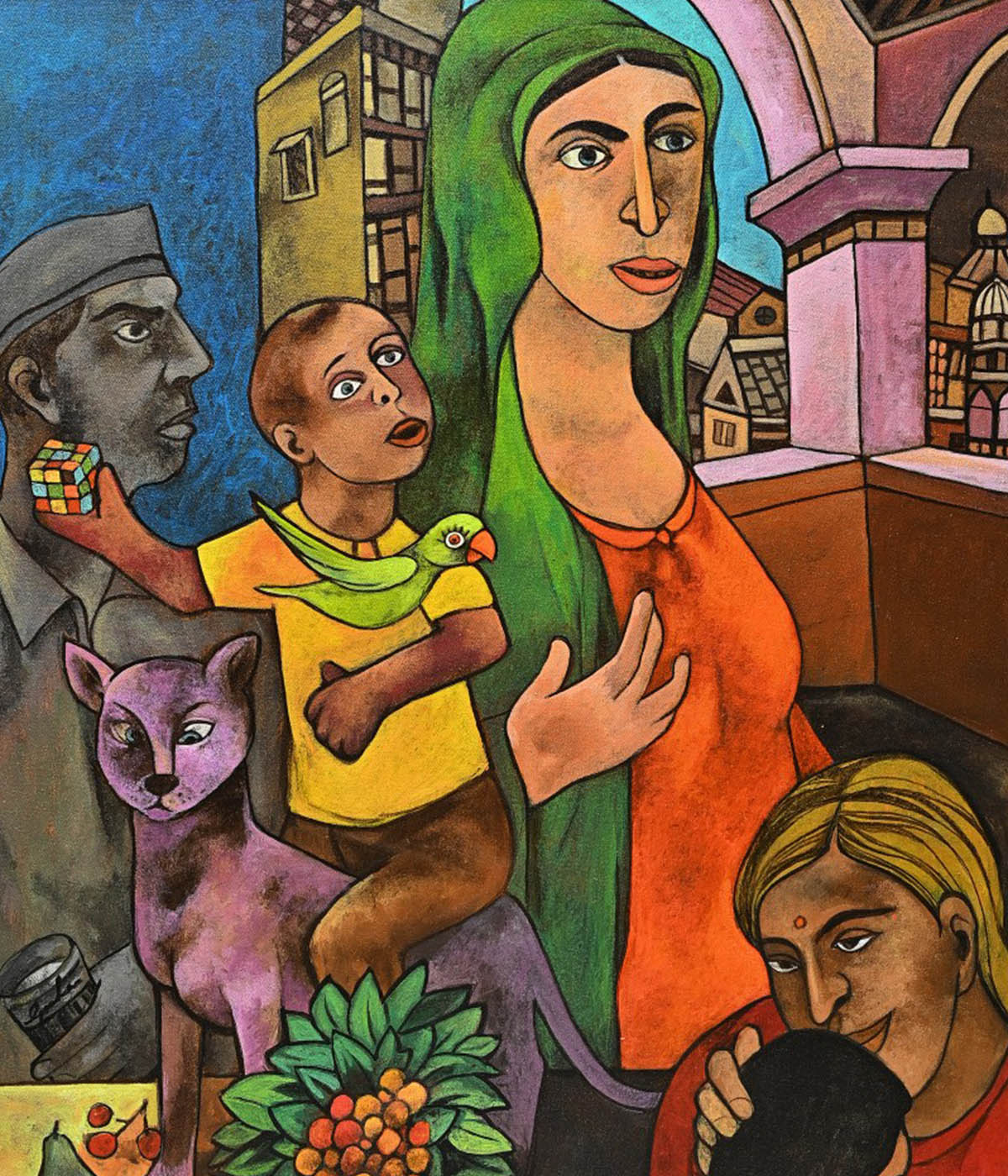
EMERGING TRENDS AND FUTURE DRIVERS
Indian Art Market 2026–2036 | A New Chapter for the Extended Report
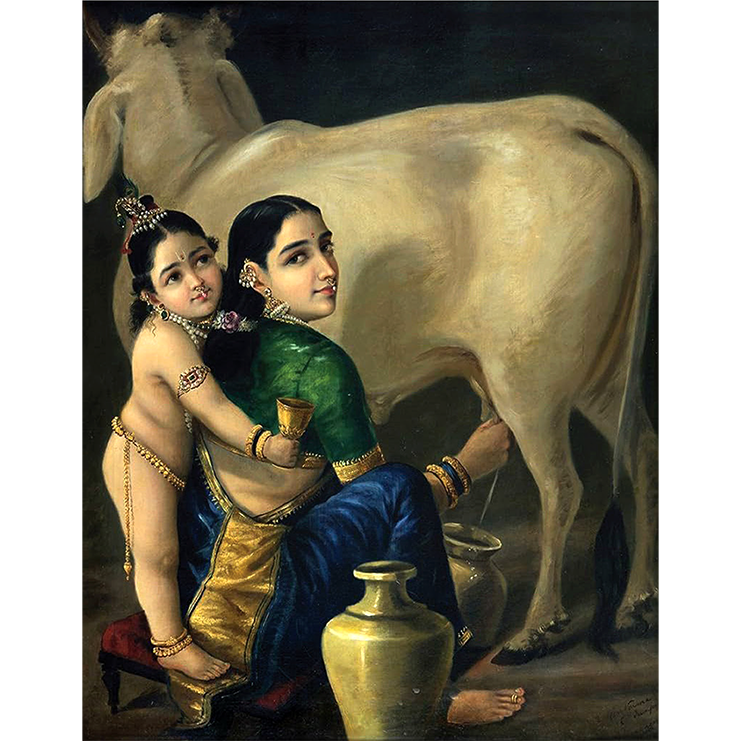
EMERGING TRENDS AND FUTURE DRIVERS
Indian Art Market 2026–2036
A New Chapter for the Extended Report
As the Indian art market enters its next phase of evolution (2026–2036), several powerful forces are reshaping its structure, participant base, and growth trajectory. While the headline-grabbing records of the top modern masters will continue, the most transformative developments are likely to occur in four interconnected areas: the broadening of the future market beyond the traditional top tier, the increasing role of Corporate Social Responsibility (CSR), the maturation and expansion of online sales channels, and the emergence of new buyer demographics. These trends collectively point toward a more inclusive, sustainable, and dynamic ecosystem — one in which mid-career and senior artists with quality work stand to benefit significantly.
1. The Emerging Future Market: Beyond the Top Tier
1.1. Structural Shift in Value Distribution
The The market of the next decade will be characterized by a gradual but meaningful decentralization of value. The extreme concentration of capital and attention on a handful of blue-chip modern masters, while still dominant in absolute terms, is creating natural pressure for reallocation. As the very best works by Husain, Gaitonde, Mehta, Raza, Souza, and now Raja Ravi Varma become increasingly scarce and expensive, serious collectors and new capital are actively seeking high-quality alternatives in the tier immediately below.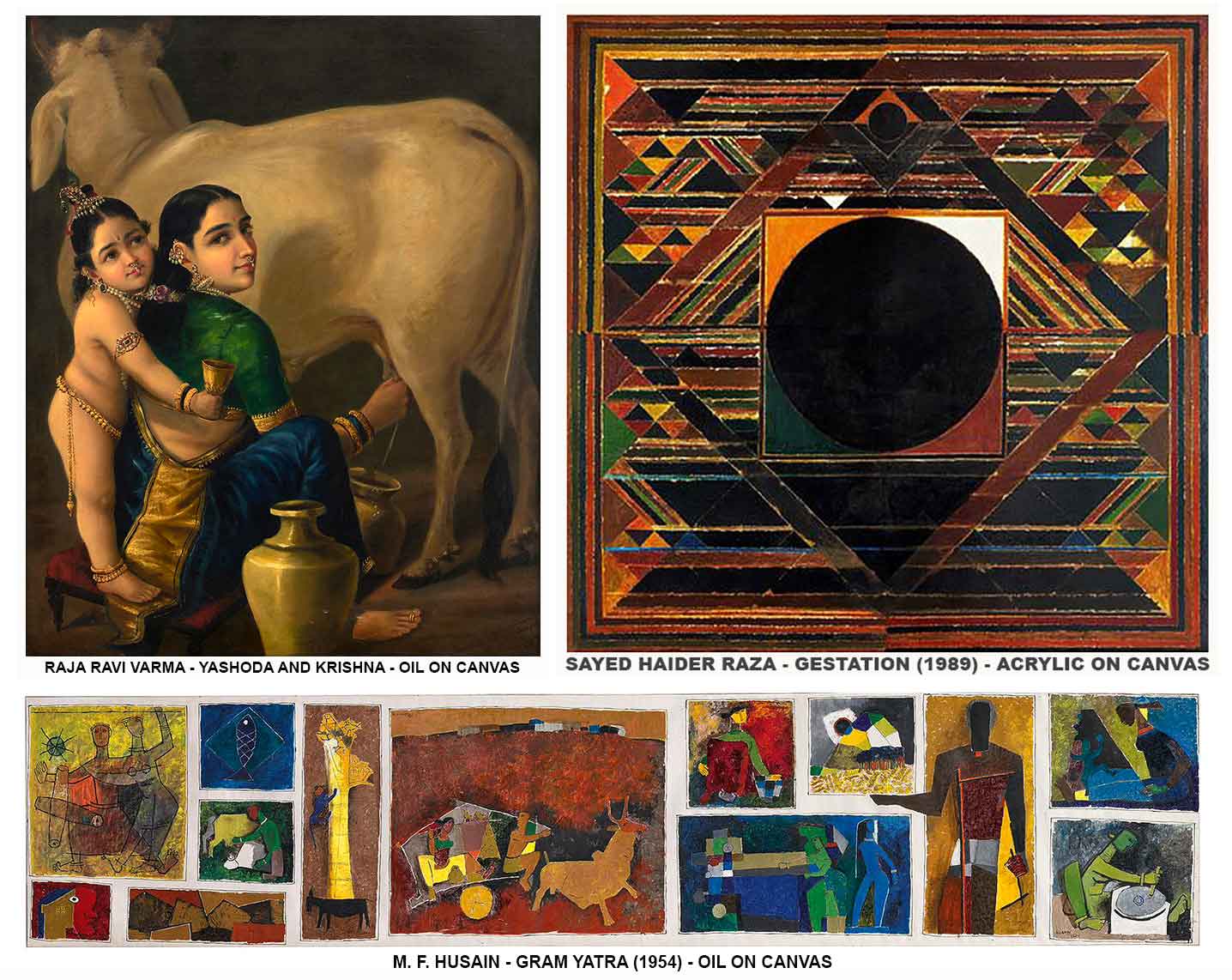
This creates a powerful opportunity for well-regarded mid-career (typically artists with 15–30 years of practice) and senior artists (30+ years) whose work demonstrates consistent quality, critical recognition, and historical relevance, but who have not yet experienced the same degree of price inflation. These artists often offer superior relative value: museum-caliber or near-museum-caliber works at price points that still allow for meaningful appreciation as broader recognition catches up.
1.2. Regional and Thematic Broadening
Future growth will also come from greater visibility and market development for regional modernisms and practices that have historically been underrepresented in national auction narratives. Strong Bengal School legacies, South Indian modernists, and artists from other regional centers are gaining renewed scholarly and collector interest. Similarly, thematic areas such as women artists, printmaking traditions, and socially engaged practices are attracting dedicated collector bases.
The rise of strong regional galleries, artist-led initiatives, and localized fairs is supporting this decentralization, making it easier for collectors outside Delhi-Mumbai to engage seriously with quality work from their own regions.
2. The Growing Role of CSR in the Indian Art Ecosystem
2.1. From Philanthropy to Strategic Investment
Corporate Social Responsibility (CSR) in India, mandated under the Companies Act since 2013, has evolved from pure philanthropy into a more strategic tool that companies are increasingly using to build cultural capital, support education, and engage communities. The arts and culture sector is a natural beneficiary of this shift.
Leading Indian corporations and their foundations (Tata Trusts, Infosys Foundation, Reliance Foundation, Aditya Birla Group, ITC, and others) have long supported visual arts through museum partnerships, artist grants, residencies, and educational programs. In the coming decade, this involvement is expected to deepen and become more visible in the secondary market as well.
2.2. How CSR Impacts the Market
• Direct acquisitions for corporate collections or gifting programs, providing stable demand for mid-tier and emerging artists.
• Funding for major retrospectives, catalogues raisonnés, and scholarly publications that increase market recognition and prices for supported artists.
• Support for public and private museums, which in turn validate artists through acquisitions and exhibitions.
• Artist residency and education programs that build long-term capacity and create future collectors and patrons.
• Community art projects that broaden public engagement and create grassroots demand over time.
For galleries and collectors, alignment with credible CSR initiatives can provide both financial support and powerful narrative validation. Companies are increasingly looking for measurable cultural impact alongside traditional CSR metrics, creating opportunities for thoughtful partnerships.
3. The Maturation of Online Sales Channels
3.1. From Necessity to Strategic Advantage
The COVID-19 pandemic accelerated the adoption of online viewing and bidding across the Indian art market. What began as a necessity has matured into a permanent and powerful channel that complements — rather than replaces — physical auctions and gallery exhibitions.
Platforms such as Saffronart have demonstrated that high-value works (including multi-crore lots) can be successfully sold online when supported by strong photography, detailed condition reports, provenance documentation, and live bidding infrastructure. Newer platforms and hybrid models from established houses are further expanding reach.
3.2. Future Developments in Online Sales
• Enhanced digital experiences: High-resolution imaging, 360° views, and eventually VR/AR tools that allow collectors to ‘experience’ works in proposed settings.
• Data-driven discovery: Platforms using collector behavior, past purchases, and preference algorithms to surface relevant works — particularly valuable for introducing mid-tier artists to new buyers.
• Global buyer acquisition: Online channels have dramatically lowered geographic barriers, bringing serious collectors from the Middle East, Southeast Asia, Europe, and North America into the Indian market more easily.
• Hybrid events: Seamless integration of physical previews with online bidding, allowing broader participation while maintaining the social and experiential aspects of major auctions.
• Blockchain and provenance: Growing use of digital certificates and blockchain-based provenance records to increase buyer confidence, especially for mid-tier works where documentation may be less robust.
Online and hybrid sales are particularly effective at reaching the new buyer demographics discussed below and at providing liquidity for quality mid-career and senior artists who may not yet command the same physical auction presence as the top tier.
4. The Rise of New Buyer Demographics
4.1 Who Are the New Buyers?
The collector base for Indian art is undergoing a significant demographic shift that will shape market dynamics for the next decade and beyond.
• Younger High-Net-Worth Individuals (HNIs) and family offices: Tech entrepreneurs, startup founders, and second- or third-generation wealth holders who are often more research-driven, value-conscious, and open to contemporary and mid-tier modern works than previous generations.
• Women collectors: An increasingly visible and influential segment, often with strong interest in women artists, socially engaged practices, and narrative-driven work.
• Diaspora returnees and global Indians: Collectors with strong cultural connections who bring international perspectives and capital.
• First-time and mid-market collectors: Enabled by online platforms, more accessible price points in the mid-tier, and growing media coverage of Indian art.
• International new entrants: Buyers from the Middle East, Southeast Asia, and Europe who are discovering Indian modernism and contemporary art as a relatively accessible and culturally rich alternative to more established Western or Chinese markets.
4.2 Behavioral Shifts Among New Buyers
New buyers tend to exhibit several distinct behaviors that differ from traditional patterns:
• Greater emphasis on story, context, and scholarship rather than pure brand or investment metrics.
• Preference for ‘value’ opportunities — quality works that have not yet reached peak pricing.
• Higher comfort with digital research and online purchasing, accelerating discovery of mid-tier artists.
• Interest in building coherent, personally meaningful collections rather than trophy acquisitions.
• Willingness to engage with emerging and mid-career artists when supported by strong gallery or institutional validation.
These behavioral shifts are highly favorable for the mid-career and senior artists highlighted throughout this report. They reward substance, narrative depth, and relative value — qualities often more abundant in this tier than at the already highly inflated top.
A More Inclusive and Dynamic Market
The Indian art market of 2026–2036 will be shaped as much by these emerging forces — broader market participation, strategic CSR involvement, sophisticated online channels, and new buyer demographics — as by the continued strength of its traditional blue-chip core. Far from diminishing the importance of the top tier, these trends are creating a healthier, more sustainable ecosystem in which quality work at all levels can find appropriate recognition and reward.
For collectors, galleries, and institutions, the strategic implication is clear: while maintaining exposure to the established masters, the greatest opportunities for both cultural impact and financial appreciation in the coming decade lie in thoughtfully engaging with the under-recognized but high-quality mid-career and senior artists who form the backbone of India’s rich and diverse artistic landscape.
Most read art news
How to Tell Whether a Print Is an Original Artist-Signed Impression or a Reproduction
The Work That Begins a Collection
Aakriti Art Gallery to Launch India’s First Integrated Art Platform Combining AI Advisory, Research, Archives, Publishing, and Art Acquisition
Aakriti Art Gallery Relaunches ‘GenNext’ as a Year-Round Platform for Emerging Artists
The Monumental World Within the Ordinary