How to Tell Whether a Print Is an Original Artist-Signed Impression or a Reproduction
A signature can increase confidence, but it should never be accepted as proof of originality. Understanding how a signature was applied is one of the most important skills every print collector should develop.
-- Research & Compiled by Aakriti Art Gallery team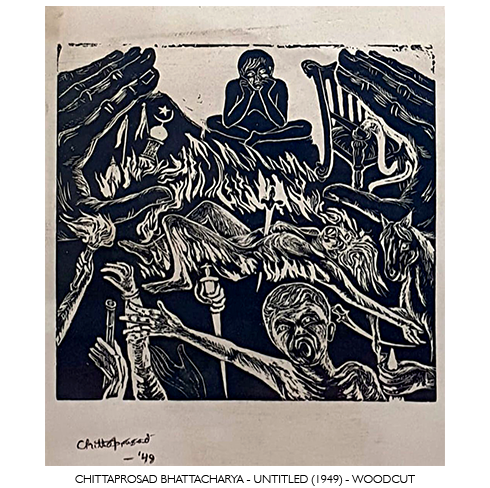
Among the most common misconceptions in print collecting is the belief that a visible signature automatically means an artwork is original. In reality, thousands of exhibition posters, book illustrations, museum reproductions and decorative prints faithfully reproduce an artist’s signature as part of the printed image. To an inexperienced collector, these reproductions can appear remarkably convincing.
The critical question is therefore not whether the signature matches the artist’s handwriting, but how the signature came to appear on the sheet.
The Difference Between a Signed Print and a Printed Signature
Traditionally, artists working in etching, engraving, drypoint, lithography, woodcut, linocut and other printmaking techniques signed their finished impressions individually after printing. The signature was usually added in graphite pencil on the lower margin, outside the printed image and plate mark. Each impression was therefore personally handled by the artist.
In contrast, reproductions are created photographically or digitally from an existing print. During this process, the original signature is copied along with the artwork itself, becoming part of the printed image rather than an independent handwritten mark.
Although the two may appear identical at first glance, careful examination often reveals significant differences.
Begin with the Signature
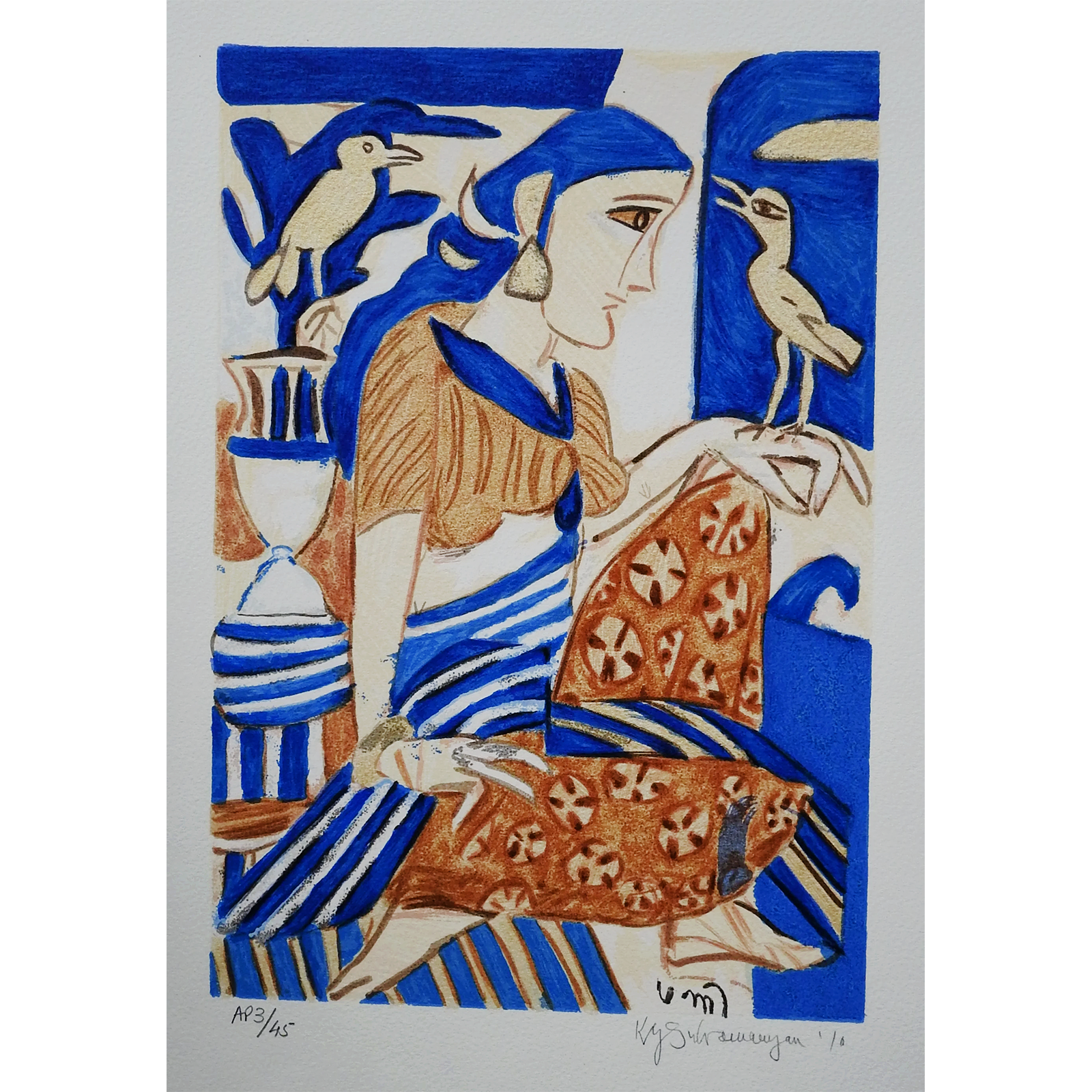
An original handwritten signature usually displays subtle variations in pressure, overlapping strokes and the natural irregularities of handwriting. Under angled light, graphite pencil often produces a soft metallic sheen that differs noticeably from the surrounding printed ink.
A printed signature behaves differently. It is perfectly flat, uniform in colour and texture, and shares exactly the same printing characteristics as the image itself. Under magnification, the signature displays the same halftone dots, inkjet pattern or offset printing structure as the artwork.
The distinction may seem small, but it is often the first indication that a collector is looking at a reproduction rather than an original impression.
Look Beyond the Signature
A signature alone can never establish originality.
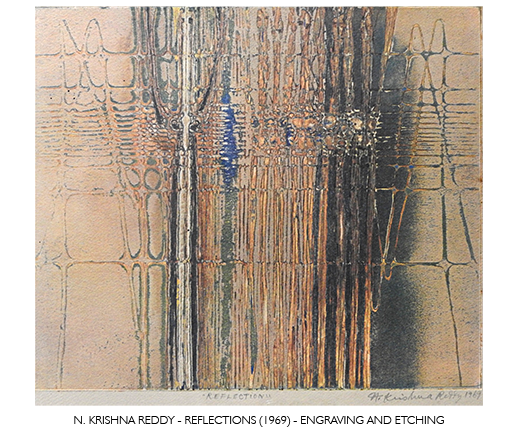
Collectors should also examine the plate mark, the shallow embossed border created when an intaglio printing plate passes through a press. Genuine etchings, engravings and drypoints normally retain this physical impression, while most photographic reproductions do not.
The quality of the paper also provides valuable evidence. Traditional printmakers generally worked 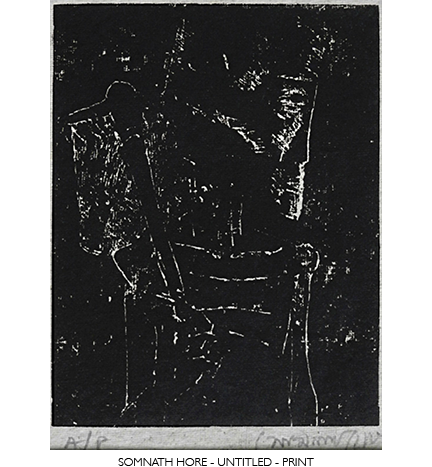 on high-quality rag papers specifically manufactured for printmaking. These papers possess distinctive fibres, absorb ink differently and often age gracefully over time. Modern reproductions are frequently printed on commercial machine-made papers that lack these characteristics.
Edition numbers, printer’s marks, blind stamps, publisher’s seals and provenance should likewise be considered together rather than in isolation.
A Simple Examination at Home
Collectors can perform a useful preliminary inspection using nothing more than a magnifying glass and a strong directional light.
Ask yourself:
- Does the signature reflect light differently from the printed image?
- Does it appear to sit on the paper rather than within the printed ink?
- Can you see natural variations in pencil pressure?
- Does the image show a genuine plate mark?
- Is the paper consistent with traditional printmaking?
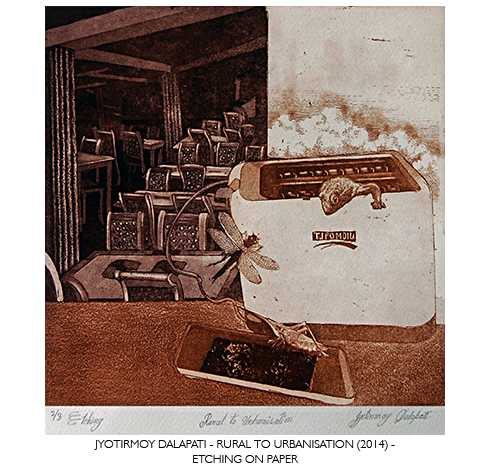 If every element appears completely flat and mechanically uniform, the work may be a reproduction rather than an original artist-signed impression.
Every Printmaking Technique Is Different
The methods described here apply most directly to traditional printmaking, including etching, engraving, drypoint, woodcut, linocut and lithography. Contemporary printmakers may also produce screenprints, digital prints, pigment prints and mixed-media editions, each with its own conventions regarding signing, numbering and editioning.
Collectors should therefore understand the specific printing process before drawing conclusions about authenticity.
Authentication Requires Multiple Layers of Evidence
Professional authentication never depends upon a single feature.
Experts examine the signature alongside printing technique, paper, inks, plate marks, watermarks, edition records, provenance, exhibition history and comparison with documented examples. Scientific examination may also include microscopic analysis, ultraviolet illumination and fibre identification.
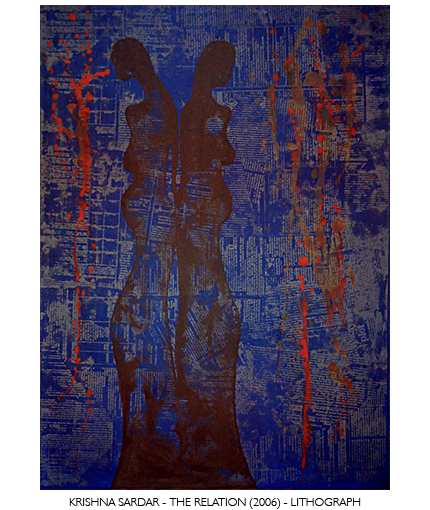 No individual characteristic should be treated as conclusive on its own.
Looking More Carefully
The growing popularity of original prints has inevitably encouraged the circulation of reproductions that imitate them with increasing sophistication. Fortunately, careful observation remains one of the collector’s most effective tools.
Learning to distinguish between a handwritten signature and a printed facsimile is not merely a technical exercise. It encourages closer looking, greater appreciation of traditional printmaking, and more informed collecting. In the end, authenticity is rarely revealed by a single dramatic clue—it is built through the quiet accumulation of many small pieces of evidence.
Editorial Note
Original prints occupy a unique place in the art market, combining artistic originality with the possibility of multiple impressions. This has also made them one of the most misunderstood categories for collectors. The purpose of this article is to encourage informed observation rather than provide a definitive method of authentication. Every print should be evaluated on the basis of its printing technique, signature, edition, paper, provenance and historical context. The more closely we learn to examine these physical details, the better equipped we become to appreciate both the artistry and integrity of the printmaker’s craft.
Selected Bibliography
- Griffiths, Antony. Prints and Printmaking: An Introduction to the History and Techniques.
- Gascoigne, Bamber. How to Identify Prints.
- Ivins Jr., William M. Prints and Visual Communication.
- British Museum. Department of Prints and Drawings: Technical Guides.
- Victoria and Albert Museum. Printmaking Collections and Conservation Resources.
- National Gallery of Modern Art, New Delhi. Selected publications on Indian printmaking.
- Museum of Modern Art (MoMA). Resources on prints, editions and multiples.
Most read art news
How to Tell Whether a Print Is an Original Artist-Signed Impression or a Reproduction
The Work That Begins a Collection
Aakriti Art Gallery to Launch India’s First Integrated Art Platform Combining AI Advisory, Research, Archives, Publishing, and Art Acquisition
Aakriti Art Gallery Relaunches ‘GenNext’ as a Year-Round Platform for Emerging Artists
The Monumental World Within the Ordinary