The Work That Begins a Collection
A quiet gallery encounter on why the first acquisition matters more than its price or pedigree
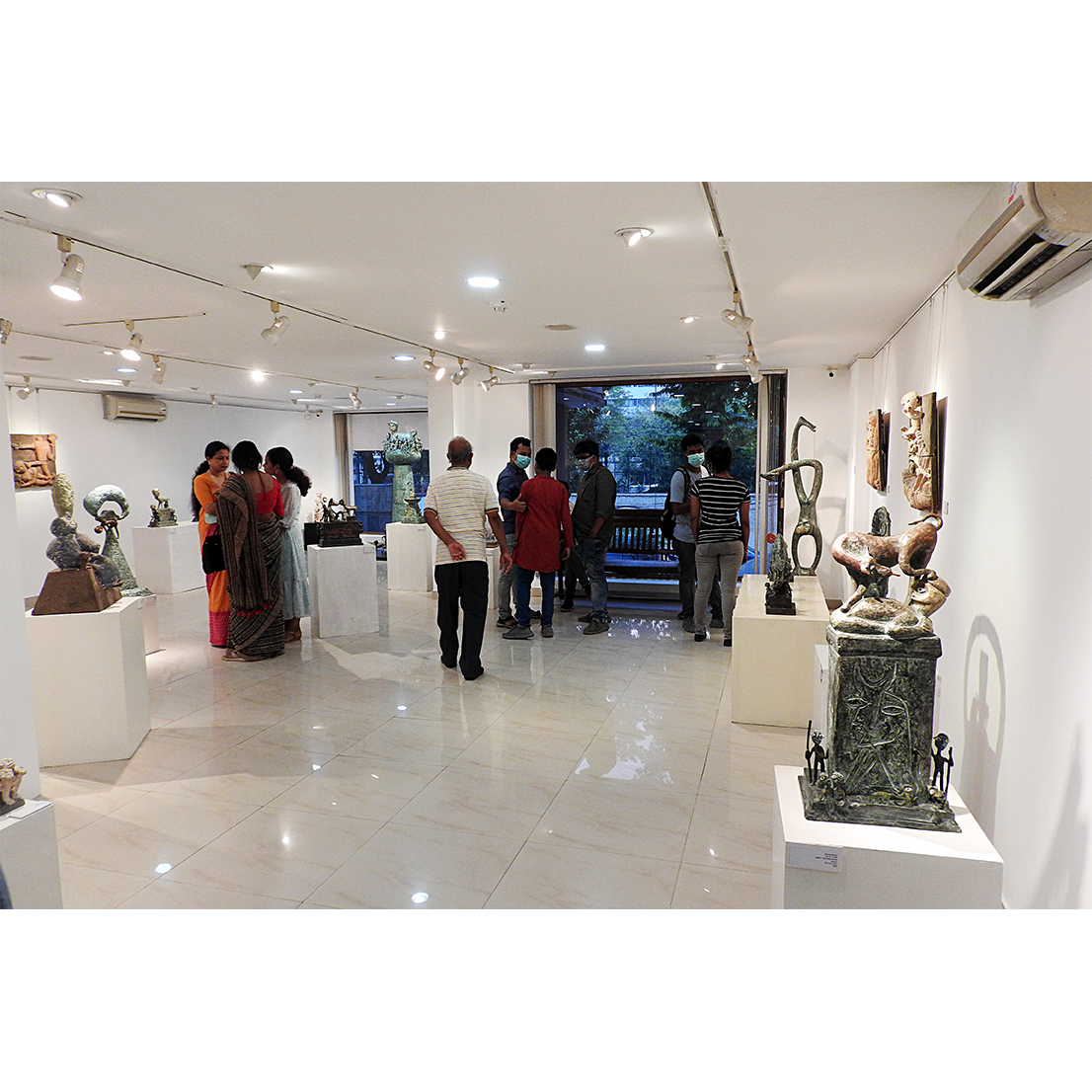
A gentleman once entered the gallery with a very clear plan. He had decided, even before stepping through the door, that he would buy the most expensive painting he could reasonably afford. In his mind, this was the proper way to begin. A celebrated name on the wall, he believed, would immediately establish him as a serious collector.
We spoke for a while. He looked carefully at several substantial works — larger canvases by better-known artists, pieces with established exhibition histories and stronger market presence. Yet something unexpected kept happening. His attention repeatedly drifted toward a much smaller work hanging slightly apart from the others. It was by an artist few visitors recognised at the time. The painting was quiet in scale and modest in presentation. There was nothing about it that announced importance.
Still, he returned to it. After examining the larger works, he came back. He asked questions about the artist, the period in which it was made, and the circumstances of its creation. He stood before it longer than he had stood before any other painting in the room. Nearly an hour passed this way.
In the end, he set aside his original intention and purchased the smaller work.
Years later he visited again and told us something that has stayed with us. That modest painting remained his favourite. Not because its market value had risen dramatically, and not because it had become a trophy in any conventional sense. It remained his favourite because it marked the true beginning of his life as a collector. That first acquisition gave him the confidence to keep looking, to trust his own responses, and eventually to build a collection that included many more established names. Yet he still regarded that quiet first work as the most important one he owned.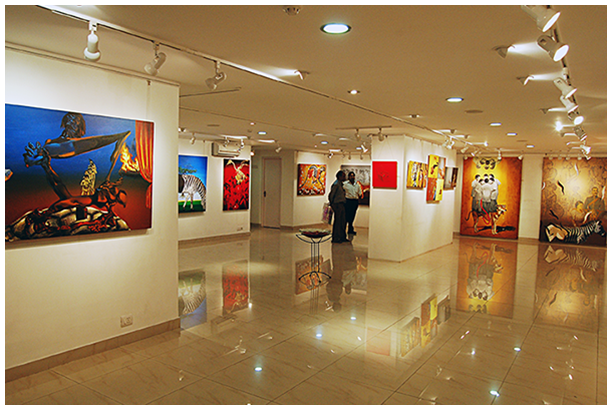
The Impulse to Begin with Grandeur
The gentleman’s original plan is far from unusual. Many new collectors arrive with a similar conviction: that seriousness is demonstrated by scale, by price, or by the recognition attached to a famous name. The impulse is understandable. Auction results, media coverage, and the visible markers of status in the art world all reinforce the idea that a collection must announce itself from the very first acquisition.
Yet this approach often places the cart before the horse. It prioritises the appearance of collecting over the quieter, more essential act of looking. When the first purchase is driven primarily by the desire to appear established, the collector risks beginning a relationship with art that is more about external validation than personal engagement.
The smaller work in this story succeeded precisely because it did not carry that burden. It asked only to be looked at. In responding to it honestly, the collector discovered something more valuable than a prestigious name: he discovered that he could trust his own eye.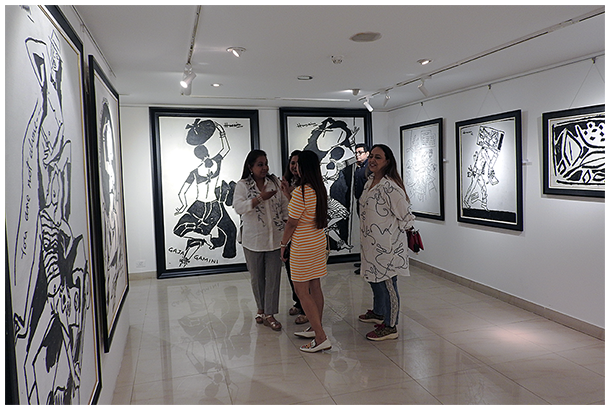
What the First Work Actually Gives
Every collection begins with a single artwork. That first piece performs a function that later, more expensive acquisitions rarely can. It teaches the collector how to live with art. It introduces the practical realities of caring for a work, of deciding where it will hang, of noticing how it changes in different light and over time. Most importantly, it builds the confidence required to continue.
A first work that is chosen under pressure — financial, social, or self-imposed — often carries a quiet anxiety. A first work chosen with genuine attention tends to carry the opposite: a sense of possibility. It becomes evidence that the collector is capable of making decisions based on looking rather than on external signals.
In this sense, the modest painting the gentleman acquired was not a compromise. It was a foundation. Everything that followed in his collecting life rested, in some way, on the permission that first purchase gave him to continue.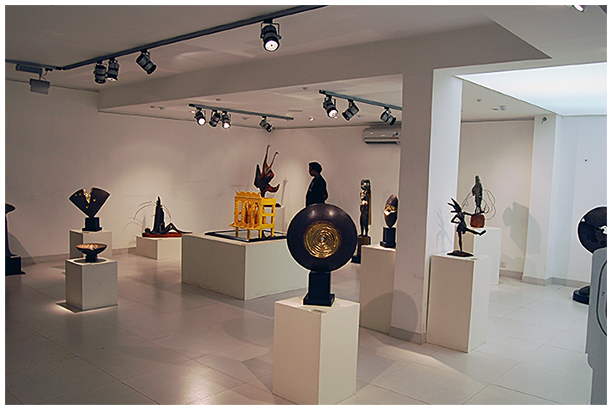
Looking Before Buying
One of the most useful habits a new collector can develop is the practice of looking without the immediate intention to purchase. Galleries, museum exhibitions, and even the quieter corners of art fairs become more instructive when the pressure to acquire is temporarily set aside. The eye learns to notice what holds attention and what does not. Preferences begin to form. Questions become more precise.
The gentleman in this story spent nearly an hour with a single work before deciding. That time was not wasted. It was the essential work of collecting — the slow process of discovering what speaks to one personally rather than what is expected to impress others.
Collectors who allow themselves this kind of unhurried looking often find that their first purchases, even if modest, feel more considered and more lasting. They are less likely to experience the common regret of having bought something primarily to fill a perceived gap in status or seriousness.
A Quiet Beginning
Collections of lasting interest are rarely assembled in a single dramatic gesture. They grow through repeated acts of attention, through the accumulation of informed choices, and through the gradual refinement of the collector’s own eye. The first artwork is simply the point at which that process becomes real.
Its greatest value often has little to do with price or pedigree. It lies in the quiet confidence it gives the collector to take the next step, and the one after that. In the long arc of a collection, that confidence proves far more consequential than the market standing of any single work.
The gentleman who once intended to begin with the most expensive painting he could afford eventually built a collection of considerable depth. Yet he never stopped regarding that smaller, quieter first acquisition as the most important. In the end, he understood something essential: a collection does not begin when one acquires a celebrated name. It begins when one begins to look with honesty — and then has the courage to act on what one sees.
Footnotes
- The account above is based on an actual encounter at the gallery. Certain identifying details have been omitted to protect the privacy of the collector.
- The principle illustrated here — that the first acquisition often carries greater personal significance than later, more expensive works — is one we have observed repeatedly among collectors who develop long-term relationships with art.
-- Research & Compiled by Aakriti Art Gallery team
Most read art news
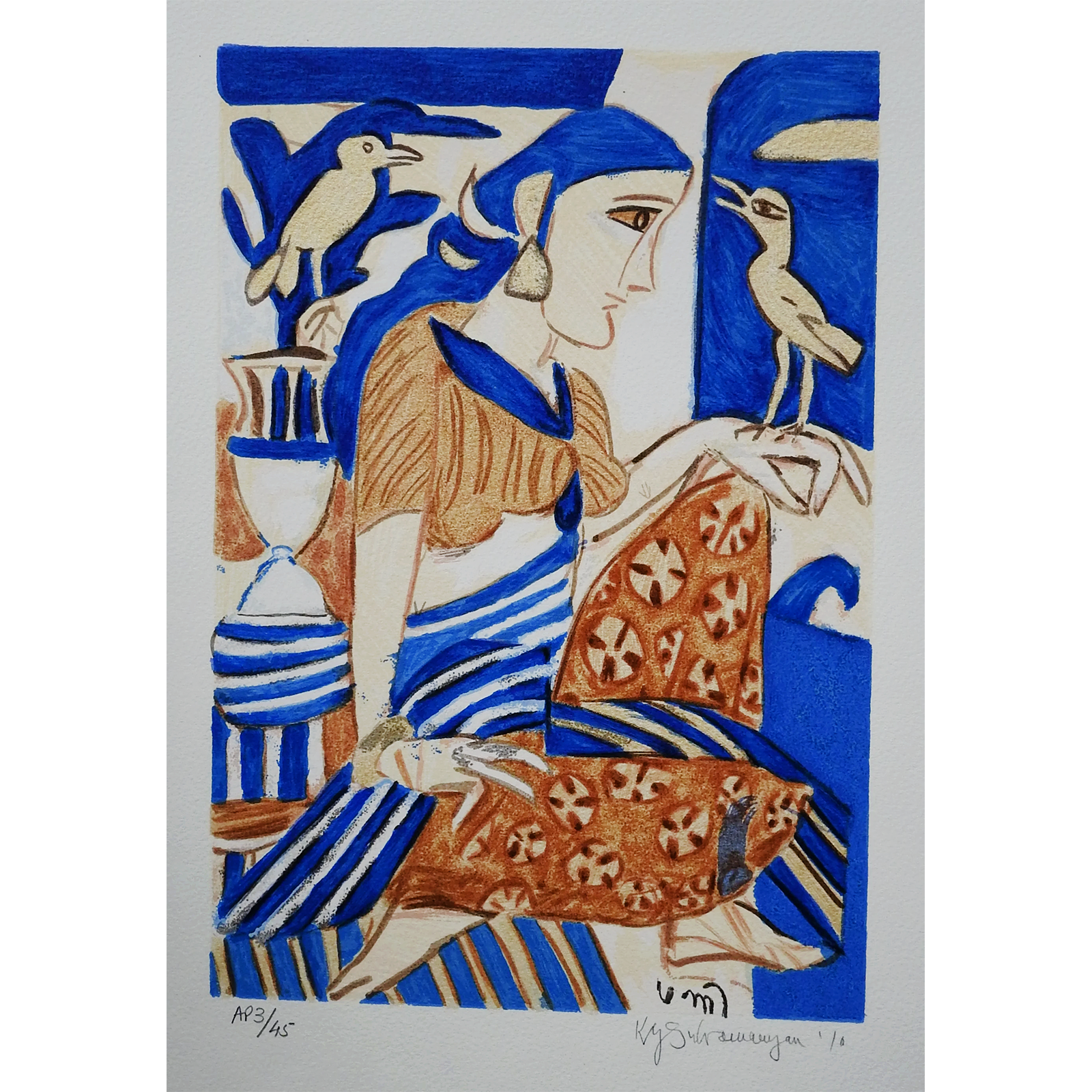
How to Tell Whether a Print Is an Original Artist-Signed Impression or a Reproduction
The Work That Begins a Collection
Aakriti Art Gallery to Launch India’s First Integrated Art Platform Combining AI Advisory, Research, Archives, Publishing, and Art Acquisition
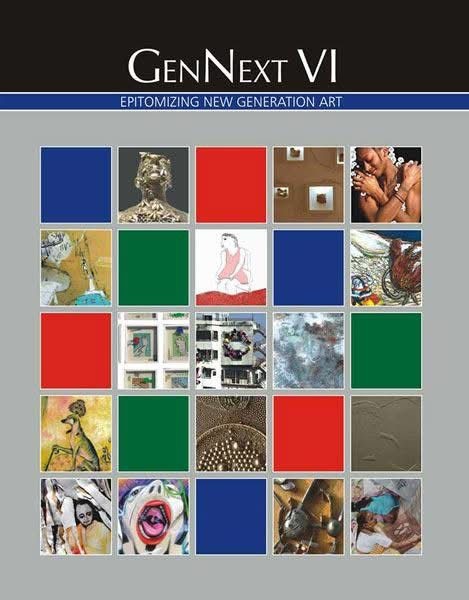
Aakriti Art Gallery Relaunches ‘GenNext’ as a Year-Round Platform for Emerging Artists
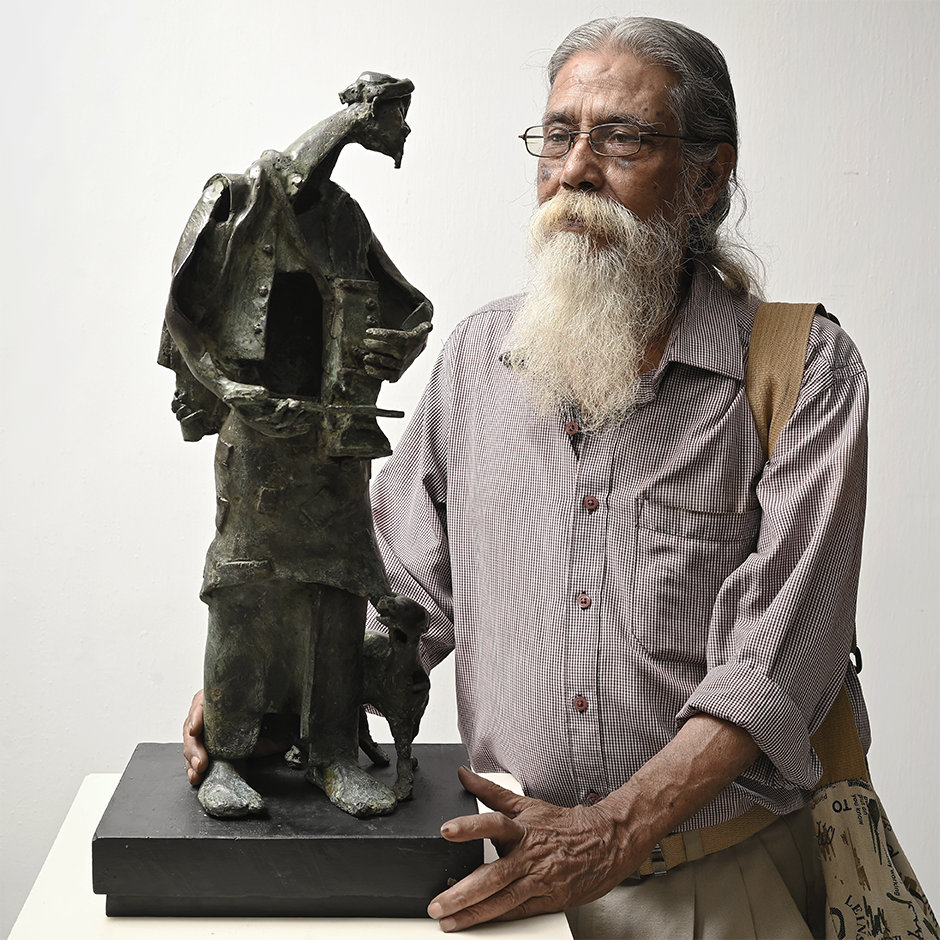
The Monumental World Within the Ordinary