How to Collect Indian Contemporary Art in 2026
A Buyer’s Guide to Looking Beyond Hype, Understanding Emerging Practices and Building a Collection for the Long Term
Indian contemporary art has entered an interesting moment.
The collector entering the market in 2026 encounters a landscape very different from that of twenty years ago. Art is discovered not only through galleries and exhibitions but through art fairs, online viewing rooms, social media, digital archives and increasingly sophisticated gallery websites. Artists working outside Delhi and Mumbai are considerably easier to discover, while younger collectors can research an artist’s practice before ever entering a gallery.
At the same time, the wider Indian market has shown unusual resilience and momentum even as parts of the international art market have corrected. Recent reporting points to domestic wealth creation, stronger cultural infrastructure and growing institutional and international interest as important drivers.
But increased visibility creates another problem: how does a collector separate lasting artistic practice from temporary attention?
That is perhaps the central question for anyone collecting contemporary Indian art in 2026.
Begin with the Artist, Not the Market
The first principle is simple: do not begin with the question, Which artist will increase in price?
Begin instead with:
What is this artist trying to do?
Look at several years of work rather than one attractive painting. Has the artist developed a recognisable visual language? Is there intellectual continuity between different bodies of work? Does experimentation represent genuine development, or does the work change simply to follow fashion?
A serious contemporary artist should have something more than technical competence. There should be an enquiry—an idea, experience, material investigation or visual problem that keeps the artist working.
This becomes clearer when twenty works are examined together rather than one.
Emerging Artists Can Be the Most Exciting Place to Begin
Contemporary collecting does not require enormous capital.
Indeed, younger artists can offer some of the most rewarding opportunities because collectors encounter their work before reputation has fully formed.
Aakriti’s GenNext, originally launched in 2006 and now revived as a year-round platform for artists below forty, reflects precisely this principle: discovery should precede established reputation. The original programme brought together hundreds of younger practitioners across painting, sculpture, printmaking, photography, installation and multimedia.
But “emerging” should never be confused with “guaranteed future master.”
Most young artists will not develop significant secondary markets, and nobody can reliably predict which ones will.
The reason to collect emerging art is therefore not speculation. It is the opportunity to recognise a compelling artistic voice early and follow its development over time.
Study the Career, Not the Instagram Account
Visibility and artistic significance are different things.
A contemporary artist may have thousands of followers but little exhibition history. Another may have limited social-media presence but serious institutional recognition, sustained gallery representation and a coherent twenty-year practice.
Collectors should investigate:
education; exhibitions; residencies; awards; gallery representation; critical writing; museum and institutional collections; publications; and whether the artist has sustained a consistent studio practice.
None of these alone guarantees quality. Together, however, they help reveal whether an artist is building a career or merely enjoying a moment of visibility.
Learn to Recognise the Middle Generation
Collectors often divide the market into young emerging artists and expensive masters. Between them lies one of the most interesting areas of contemporary collecting: established mid-career and senior living artists whose practices have developed over decades without necessarily receiving proportional market attention.
This category deserves careful research.
Artists may possess significant exhibition histories, distinctive practices and institutional recognition while remaining relatively accessible because their secondary markets have not yet caught up with their artistic histories.
For collectors willing to research rather than follow headlines, this can be fertile territory.
Look Beyond Painting
Contemporary art cannot be understood through canvas alone.
Indian artists today work across sculpture, printmaking, photography, ceramics, paper pulp, textile, installation, video, found objects, digital processes and combinations that resist easy classification.
Collectors who restrict themselves to conventional paintings risk missing some of the most interesting developments in contemporary practice.
A work on paper may reveal an artist’s thinking more directly than a large canvas. A sculpture may represent the central concern of a particular period. An original print may provide access to an important artist at a significantly lower entry price.
Medium should follow artistic significance—not hierarchy.
Understand Why the Work Costs What It Does
Contemporary pricing can appear mysterious.
Ask questions.
How long has the artist been exhibiting?
Are prices consistent across galleries?
How does the work compare with other works of similar date, scale and importance?
Has the artist’s pricing developed gradually?
A healthy primary market generally grows progressively. Sudden dramatic increases unsupported by institutional or collector development deserve caution.
The objective should be sustainable careers, not artificially manufactured scarcity.
Documentation Begins on Day One
Never assume provenance matters only for old masters.
Today’s contemporary acquisition becomes tomorrow’s historical artwork.
Keep the invoice.
Keep the certificate where appropriate.
Record the exhibition.
Save the catalogue.
Document the artist, title, year, medium and dimensions.
If the work is subsequently exhibited or published, add those records.
The provenance of the future is being created today.
Buy Fewer, Better Works
One of the greatest temptations in contemporary collecting is quantity.
Relatively accessible prices can encourage rapid buying. Five mediocre works, however, rarely make a stronger collection than one exceptional work.
Ask:
Is this among the stronger works I have seen by this artist?
Collectors should gradually become more selective as their knowledge develops.
The evolution from buying frequently to buying carefully is often the moment when an accumulation of artworks begins becoming a collection.
Build Relationships
Contemporary collecting offers something historical collecting cannot: the possibility of understanding artists during their lifetimes.
Visit studios when appropriate.
Attend artist talks.
Read interviews.
Speak to galleries.
Follow an artist’s exhibitions even when you are not buying.
These encounters provide insight into artistic practice that auction records can never supply.
The Collector’s Advantage in 2026
Information.
Today’s collector has access to museum databases, digitised archives, exhibition catalogues, artist interviews, gallery records and auction histories that previous generations could scarcely imagine.
Use them.
The collector willing to research deeply has an extraordinary advantage.
But information should refine the eye rather than replace it.
Ultimately, one must stand before an artwork and decide whether it possesses the quality, originality and intellectual or emotional depth to remain meaningful after the excitement of acquisition has disappeared.
That remains unchanged.
The best way to collect Indian contemporary art in 2026 is surprisingly traditional:
Look carefully. Research deeply. Buy selectively. Keep records. Remain curious.
Do not attempt to predict tomorrow’s auction record.
Try instead to recognise today’s serious artist.
Markets will rise and fall. Fashion will change. New names will appear.
A collection built around quality and conviction can survive all three.
Most read art news
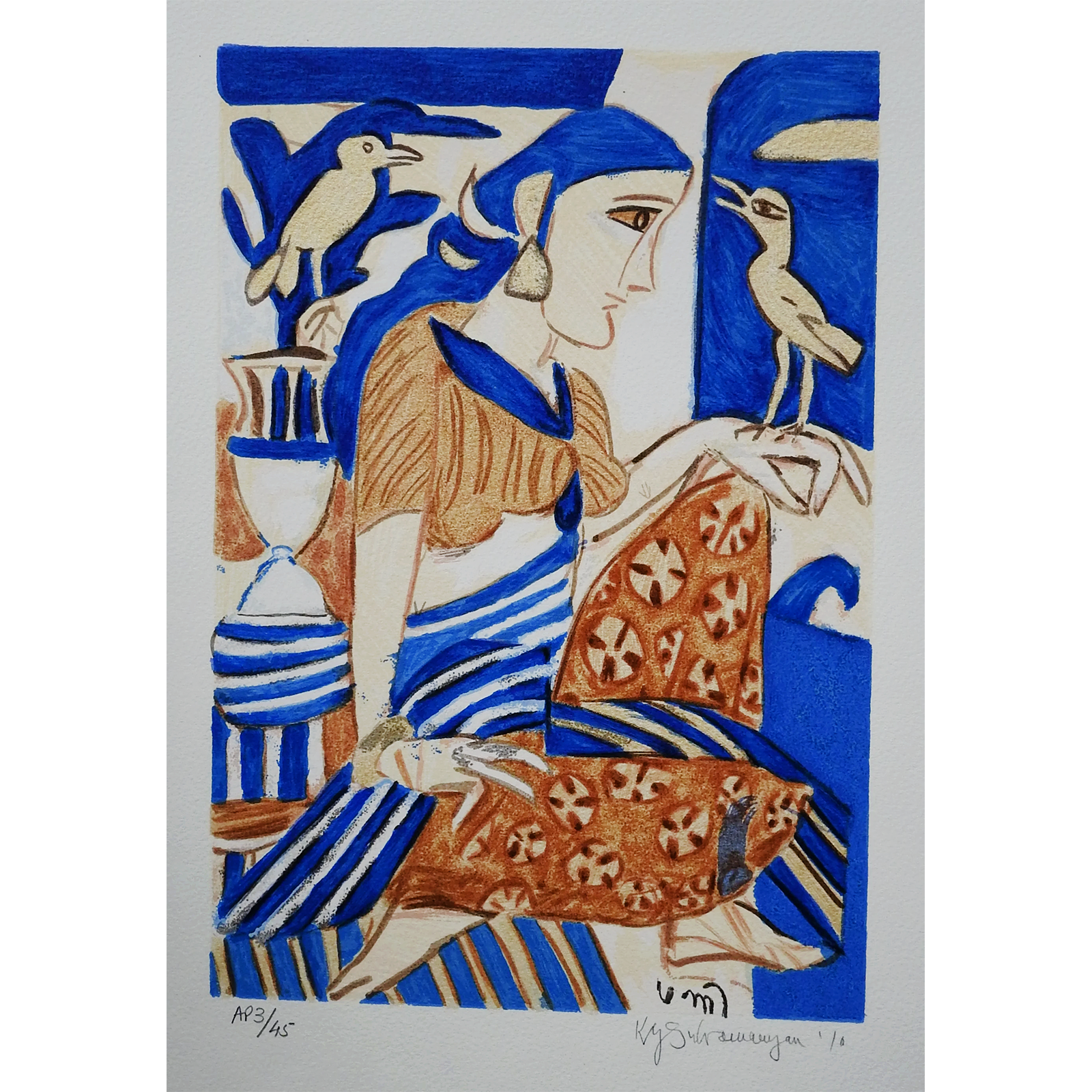
How to Tell Whether a Print Is an Original Artist-Signed Impression or a Reproduction
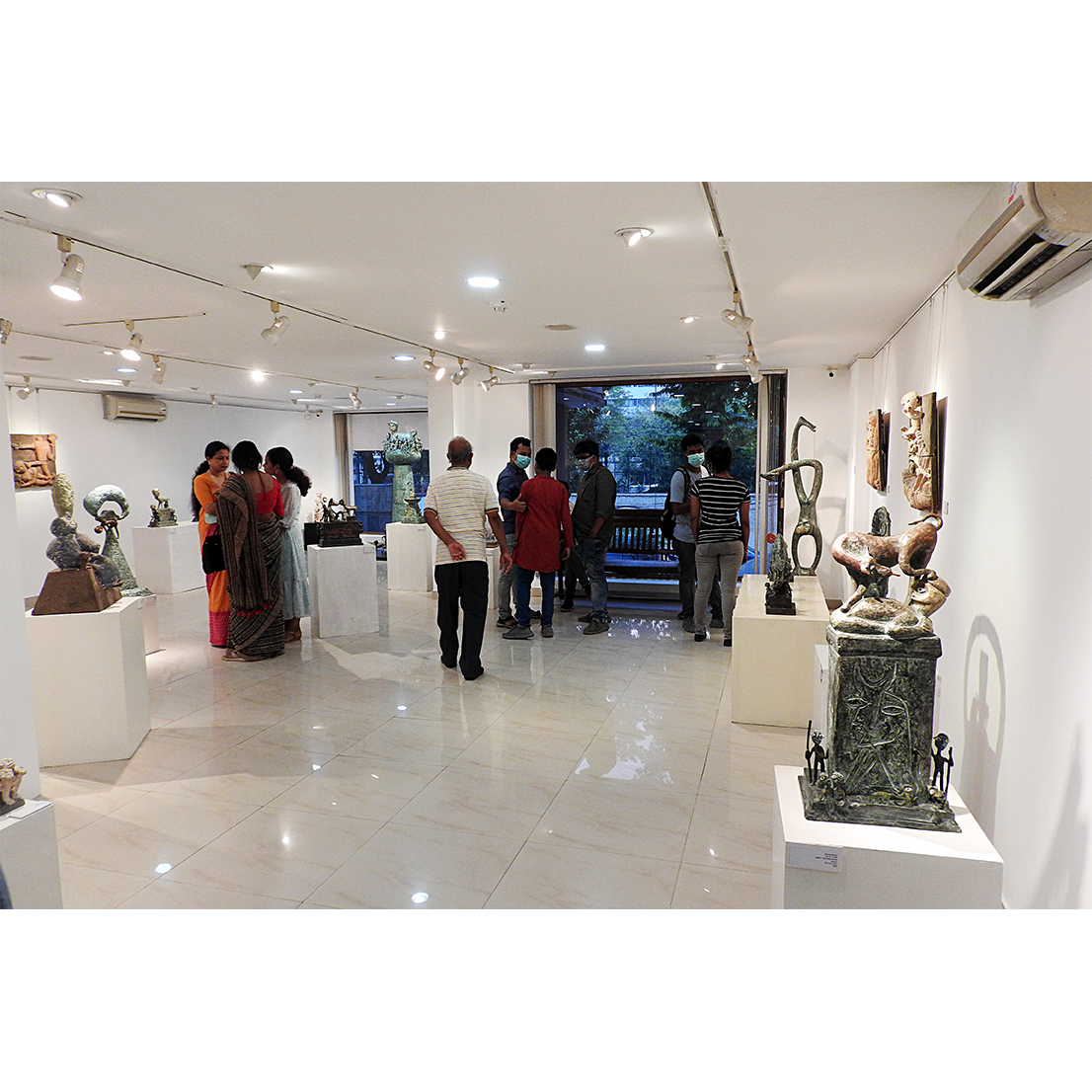
The Work That Begins a Collection
Aakriti Art Gallery to Launch India’s First Integrated Art Platform Combining AI Advisory, Research, Archives, Publishing, and Art Acquisition
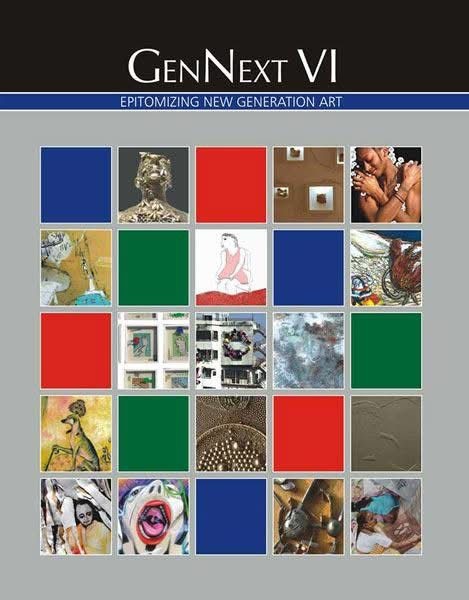
Aakriti Art Gallery Relaunches ‘GenNext’ as a Year-Round Platform for Emerging Artists
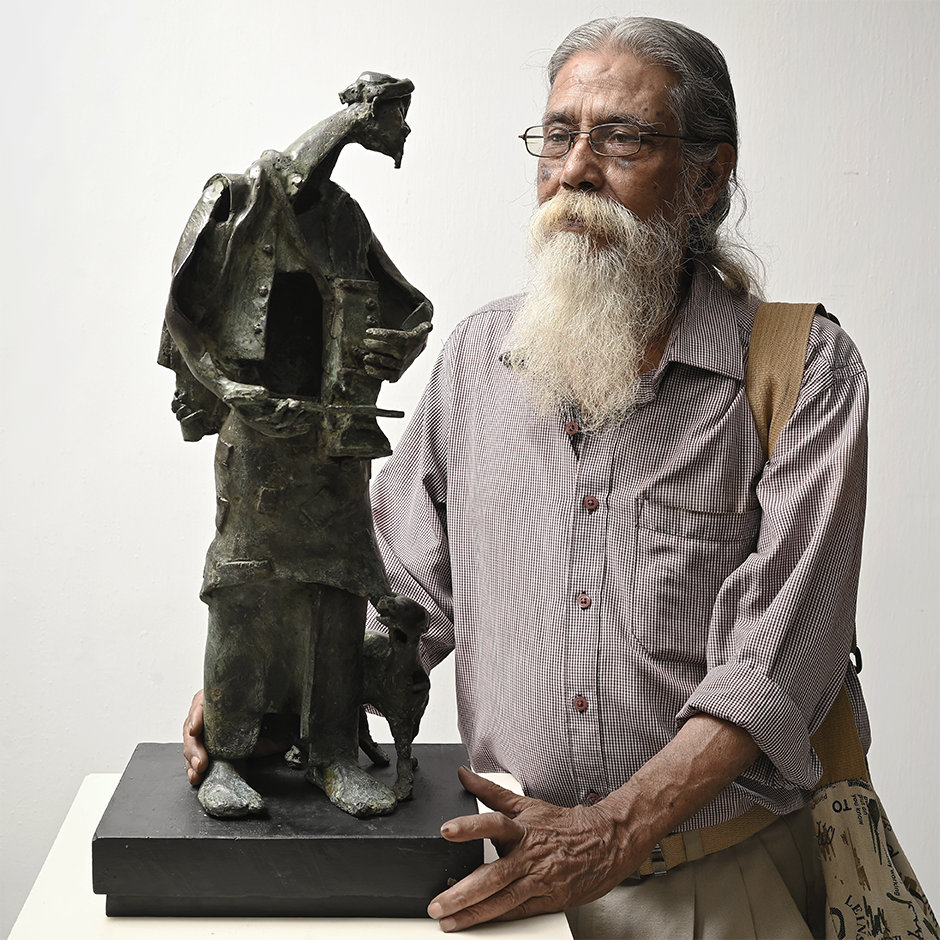
The Monumental World Within the Ordinary