How to Judge an Artwork Without Being an Expert
Learning to See Beyond Price, Reputation and Personal Taste
One of the greatest misconceptions about collecting art is the belief that only experts can recognise a good artwork.
Nothing could be further from the truth.
Every experienced collector, curator and museum professional began as a beginner. Their confidence did not come from possessing secret knowledge, but from years of looking carefully, asking questions and comparing artworks.
The ability to judge an artwork is not a gift. It is a skill.
Like learning a new language, visual understanding develops gradually. The more carefully you observe, the more you begin to notice relationships between composition, colour, form, technique and emotion. Over time, your eye becomes more confident and your judgement more informed.
Collecting art is therefore not about becoming an expert overnight. It is about learning how to look.
⸻
There Is No Perfect Formula Many first-time collectors hope for a checklist that will immediately tell them whether an artwork is “good” or “bad.”
Unfortunately, no such formula exists.
Art is not mathematics.
A technically perfect painting may leave us emotionally untouched, while a seemingly simple drawing may possess extraordinary expressive power.
Judging art therefore requires balancing observation with understanding.
Rather than asking,
“Is this artwork good?”
begin by asking,
“Why does this artwork affect me?”
The answer often reveals far more than any price label.
⸻
First Look Before You Read the Label
One of the best habits a collector can develop is to spend time looking at an artwork before reading the artist’s name, biography or price.
This allows the work to speak for itself.
Ask yourself:
- What attracted me first?
- Which part of the artwork holds my attention?
- Do I keep discovering new details?
- Does it communicate an emotion or an idea?
- Would I stop to look at this if I knew nothing about the artist?
Your first response is often your most honest one.
⸻
Look at the Composition
Composition is the way an artist organises visual elements within an artwork.
It is one of the strongest indicators of artistic maturity.
Observe:
- How the eye moves across the picture.
- Whether the composition feels balanced.
- How positive and negative spaces interact.
- Whether every element appears necessary.
- Whether the artwork feels resolved.
Strong compositions often appear effortless, even though they may have required years of experience to achieve.
⸻
Observe Technique Without Being Intimidated
Collectors sometimes worry that they lack technical knowledge.
Fortunately, you do not need to know every artistic process to appreciate craftsmanship.
Instead, look for evidence of care and confidence.
Ask yourself:
- Does the artist appear comfortable with the chosen medium?
- Are brushstrokes purposeful?
- Does the drawing feel convincing?
- Are textures handled thoughtfully?
- Is the finish appropriate to the artist’s intention?
Remember that technical skill should support expression rather than dominate it.
A highly polished painting is not necessarily a better artwork than one executed with apparent spontaneity.
⸻
Originality Matters
Every artist learns from predecessors.
The important question is whether the artist ultimately develops an individual visual language.
Does the work feel personal?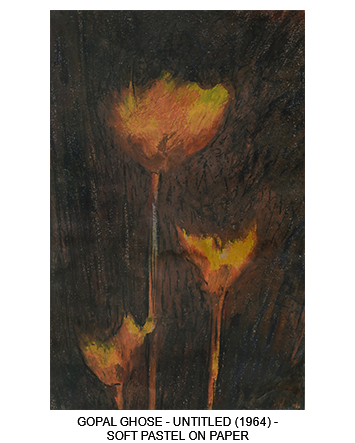
Does it avoid obvious imitation?
Would you recognise another work by the same artist?
Originality is not about inventing something that has never existed before.
It is about expressing familiar subjects in a way that belongs unmistakably to one artist.
⸻
Does the Artwork Stay with You?
Some artworks impress immediately.
Others remain in your memory long after you have left the gallery.
Experienced collectors often return to the same exhibition more than once before making a decision.
If you find yourself thinking repeatedly about a particular work, ask yourself why.
The artworks that continue to occupy your thoughts are often those with lasting significance.
⸻
Learn to Separate Reputation from Quality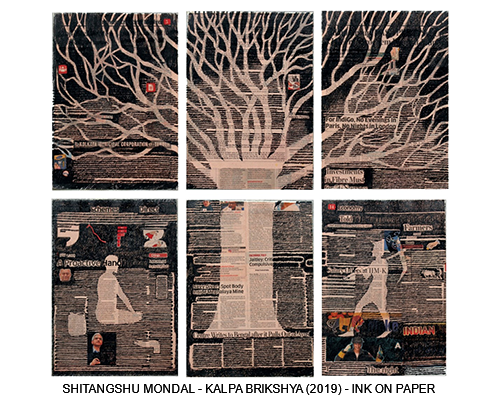 A famous name can sometimes prevent us from looking objectively.
Similarly, an unfamiliar artist may be overlooked simply because we have never encountered the name before.
Good collectors learn to judge the artwork before judging the artist.
Reputation is important.
It reflects years of exhibitions, scholarship and professional recognition.
But reputation should never replace looking.
Always ask:
Would I admire this artwork if I did not know who created it?
⸻
Context Is Important
Every artwork belongs to a larger story.
Understanding that story deepens appreciation.
Consider:
- When was the work created?
- Which period of the artist’s career does it represent?
- Was it part of an important series?
- Has it been exhibited?
- Has it been published?
Knowledge of context transforms observation into understanding.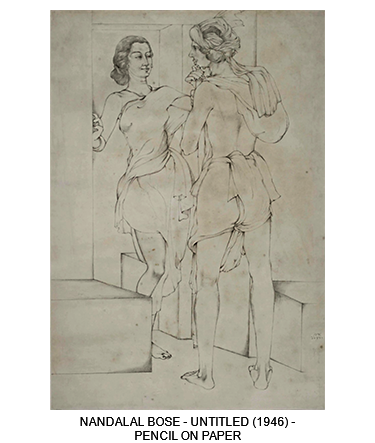
⸻
Learn Through Comparison
One artwork tells us little.
Ten artworks begin to teach us.
One hundred artworks educate the eye.
Whenever possible:
Compare different works by the same artist.
Compare artists working in similar subjects.
Compare different periods.
Visit museums.
Return to exhibitions.
Looking repeatedly is one of the most effective forms of education.
⸻
Avoid Common Traps
New collectors often confuse certain qualities with artistic merit.
Large size does not automatically mean greater importance.
Bright colours do not necessarily indicate stronger painting.
Realistic detail is not always evidence of better art.
Similarly, abstract art should not be dismissed simply because it appears difficult.
Every artistic language requires patience.
Learn to ask not “Do I understand this immediately?” but “What is the artist trying to achieve?”
⸻
Trust Your Eye—but Educate It Personal taste matters.
After all, you will live with the artwork.
However, taste should continue evolving.
Read.
Visit museums.
Attend artist talks.
Study exhibition catalogues.
Discuss art with other collectors.
The more knowledge you acquire, the richer your visual experience becomes.
Confidence grows naturally from observation supported by learning.
⸻
Art Rewards Time
Unlike many purchases, artworks are not exhausted after a single encounter.
The finest works reveal themselves gradually.
A painting that appears simple today may reveal extraordinary complexity after months or years of living with it.
The best collectors therefore learn to value artworks that continue to reward attention rather than those that merely create immediate impact.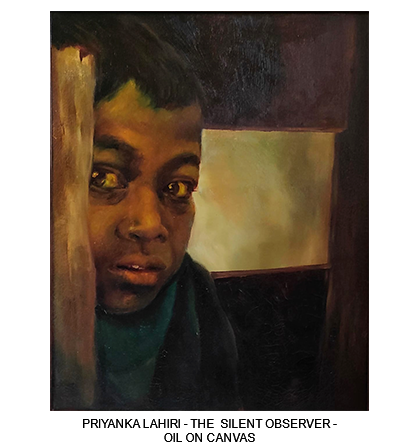
Great art is rarely consumed quickly.
It unfolds over time.
You do not need a degree in art history to become a thoughtful collector.
You need curiosity.
Patience.
The willingness to look carefully.
And the humility to keep learning.
Experts are not people who see differently.
They are people who have simply spent more time looking.
Collecting art begins with buying.
Understanding art begins with seeing.
The two are not always the same.
⸻
Collector’s Checklist
Before purchasing an artwork, ask yourself:
✓ Have I spent enough time looking at it?
✓ Does the artwork continue to hold my attention?
✓ Am I responding to the artwork or merely the artist’s reputation?
✓ What makes this work different from others?
✓ Would I still admire it if I saw it in a museum without a price label?
✓ Have I looked at other works by the same artist?
Most read art news
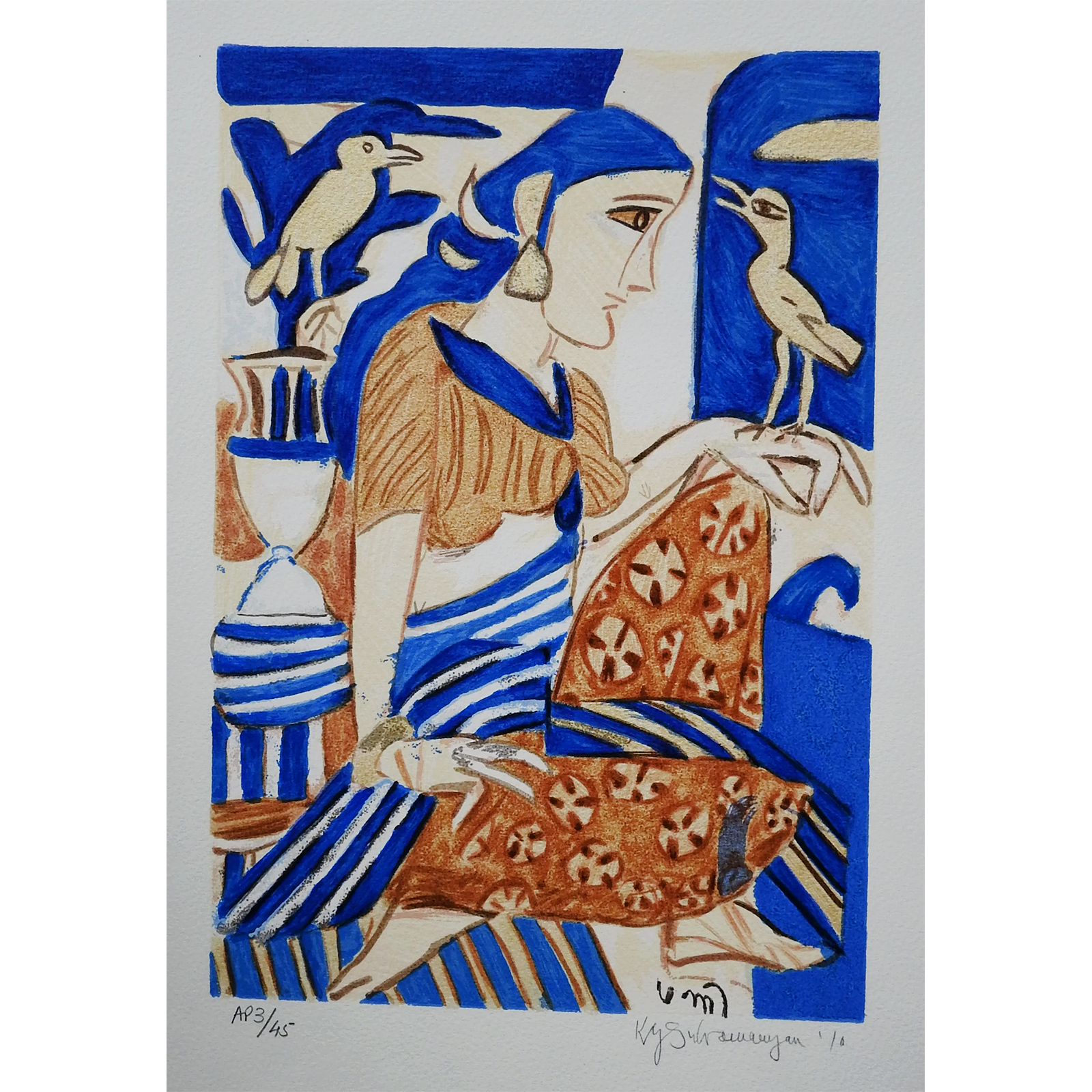
How to Tell Whether a Print Is an Original Artist-Signed Impression or a Reproduction
The Work That Begins a Collection
Aakriti Art Gallery to Launch India’s First Integrated Art Platform Combining AI Advisory, Research, Archives, Publishing, and Art Acquisition
Aakriti Art Gallery Relaunches ‘GenNext’ as a Year-Round Platform for Emerging Artists

The Monumental World Within the Ordinary