Originals, Prints, Limited Editions and Reproductions
Understanding the Differences Before You Buy Your First Artwork
One of the first questions every new collector asks is:
“Is this an original?”
The answer is often more complex than many people expect.
In the art world, the word “original” can have different meanings depending on the medium. An original oil painting is unique. An original etching may exist in an edition of fifty impressions. A bronze sculpture may be cast in several authorised editions. A high-quality reproduction may faithfully copy the appearance of an artwork but has very different artistic and commercial significance.
Understanding these distinctions is one of the most important skills a collector can develop. It helps avoid costly mistakes, builds confidence and enables more informed purchasing decisions.
The value of an artwork is not determined simply by how closely it resembles another image. It depends upon how it was created, who authorised it, how many exist and what role the artist played in its production.
What Is an Original Artwork?
An original artwork is one that has been created directly by the artist as an authentic work of art.
In painting, this usually refers to a unique work executed by the artist using oil, acrylic, watercolour, tempera or another medium.
Each original painting is unique. Even if an artist paints the same subject repeatedly, no two paintings are identical.
Similarly, an original drawing, pastel or watercolour exists as a single work unless the artist intentionally creates variations.
These works remain the foundation of most art collections because they represent the artist’s direct creative process.
Understanding Original Prints
This is where many collectors become confused.
Unlike reproductions, an original print is not a copy of another artwork.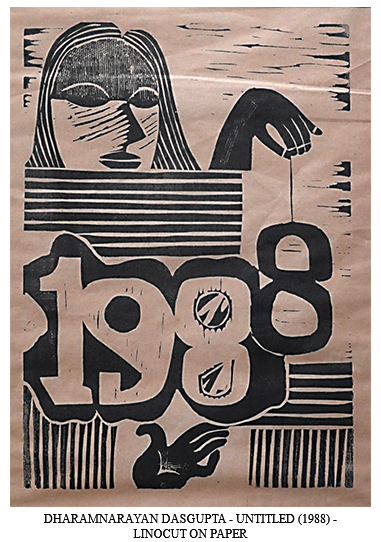
It is an artwork conceived specifically as a print and created through a traditional printmaking process such as:
- Etching
- Engraving
- Drypoint
- Lithography
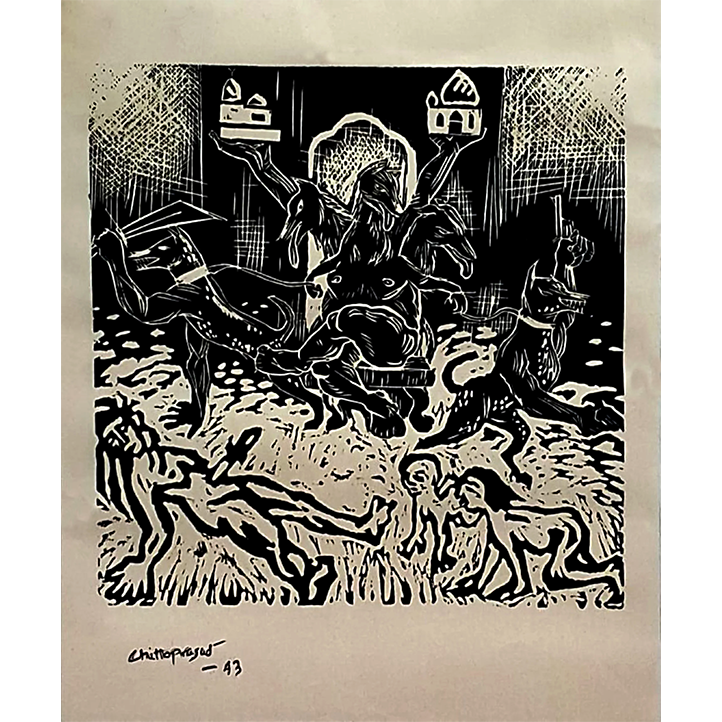
- Woodcut
- Linocut
- Screenprint
- Mezzotint
- Aquatint
The artist prepares the printing matrix—a metal plate, woodblock, stone, screen or other surface—from which impressions are produced.
Each impression is considered an original work because it is printed from the artist’s original matrix.
Although multiple impressions exist, they collectively constitute the original artwork.
This distinction is fundamental to understanding fine art printmaking.
What Is a Limited Edition?
Many original prints are produced in limited editions.
An edition represents the total number of impressions the artist authorises from a particular matrix.
A print marked:
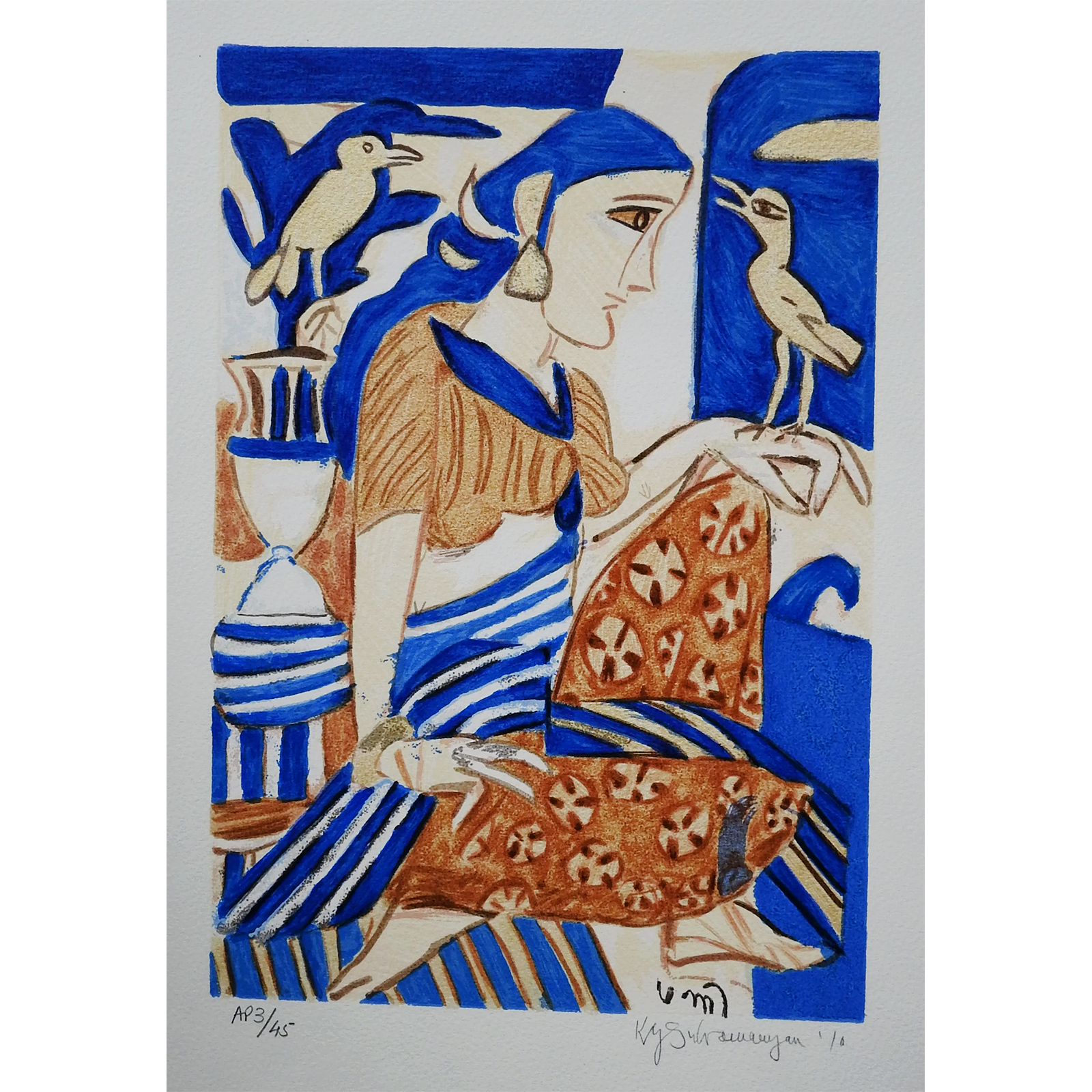
12/50
means that it is the twelfth impression from an edition of fifty.
Once the edition is complete, the printing plate, block or screen is often cancelled or otherwise altered to prevent further authorised impressions.
Limited editions provide collectors with the opportunity to acquire original works by significant artists at prices that are often lower than unique paintings.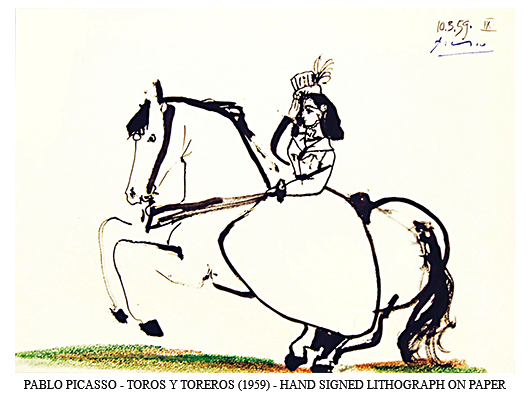
Artist’s Proofs
Collectors frequently encounter the abbreviation:
A.P.
This stands for Artist’s Proof.
Traditionally, these impressions were retained by the artist rather than included within the numbered edition.
Artist’s Proofs were originally used to evaluate colour, registration and printing quality before the final edition was completed.
Today they remain highly sought after because of their close association with the artist’s own working process.
However, an Artist’s Proof is not automatically more valuable than a numbered edition. Its significance depends upon the artist, rarity and collector demand.
Trial Proofs and Working Proofs
Before approving the final image, artists often produce several experimental impressions.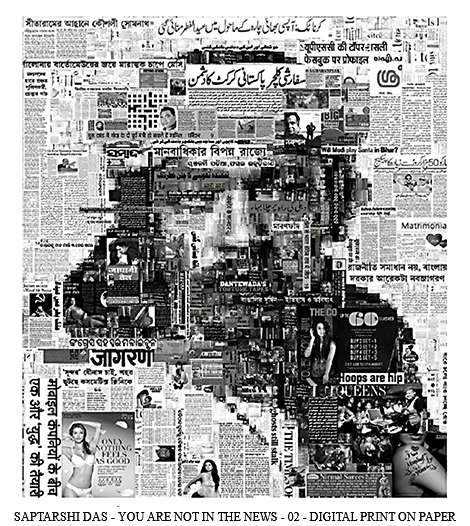
These may include:
- Trial Proofs
- State Proofs
- Working Proofs
- Colour Proofs
They document the evolution of the image and are of considerable interest to museums and specialist collectors because they reveal the artist’s creative decisions.
What Is a Reproduction?
A reproduction is fundamentally different.
It begins with an existing artwork.
The image is then copied using photographic, offset, inkjet or digital printing methods.
Posters, calendars, books, decorative prints and museum gift-shop prints are all examples of reproductions.
Even when produced with exceptional printing quality, a reproduction remains a copy of another artwork.
The artist generally plays no direct role in its manufacture.
Consequently, reproductions should not be confused with original prints.
Can a Reproduction Still Have Value?
Certainly.
Reproductions can be educational, decorative and historically significant.
Old exhibition posters, vintage gallery catalogues, museum publications and early photographic reproductions sometimes acquire documentary importance.
Their value, however, derives from their historical or documentary significance rather than from being original works of art.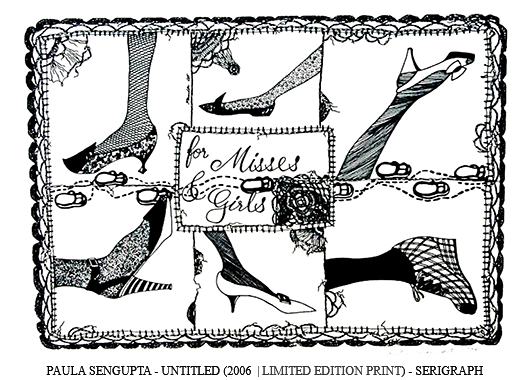
How to Tell the Difference
Collectors should carefully examine every artwork before purchase.
Questions worth asking include:
- Is this a unique artwork?
- Is it an original print?
- What printmaking process was used?
- Is it part of a numbered edition?
- Is it signed by the artist?
- Is the signature handwritten or printed?
- Does documentation accompany the work?
A reputable gallery should be able to answer these questions clearly.
The Importance of Signatures
Many collectors assume that a signature automatically guarantees authenticity.
Unfortunately, this is not always the case.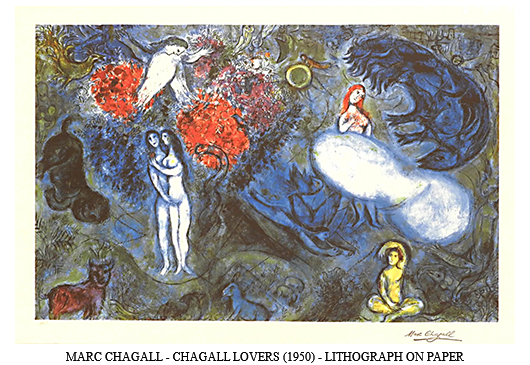
A signature may be:
- Handwritten by the artist.
- Printed as part of the image.
- Added later by another person.
- Reproduced photographically.
Collectors should therefore examine signatures carefully.
In traditional printmaking, the artist’s signature is often written in pencil within the lower margin outside the printed image.
Printed signatures, by contrast, usually form part of the image itself and share the same printing characteristics as the surrounding artwork.
Understanding this difference can prevent expensive mistakes.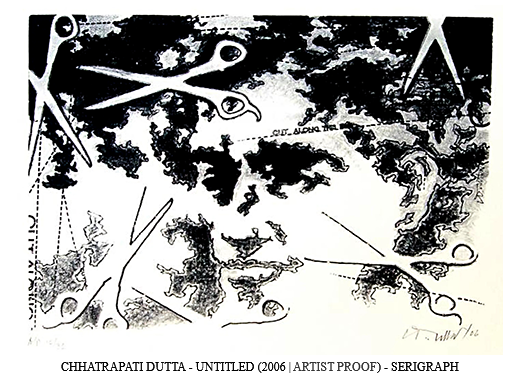
Documentation Matters
Whether purchasing a painting, print or sculpture, always request documentation.
Ideally, this should include:
- Invoice
- Certificate of Authenticity (where applicable)
- Medium
- Dimensions
- Edition number (if applicable)
- Artist’s signature details
- Provenance
- Condition report
Documentation protects both the collector and the artwork.
Collect What You Understand
Original paintings are not automatically better than original prints.
Original prints are not automatically better than sculptures.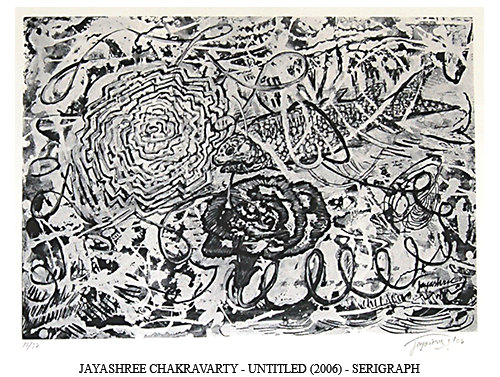
Every medium possesses its own history, technical complexity and collecting traditions.
The best collectors understand what they are buying.
Knowledge creates confidence.
Confidence leads to better collections.
Confusion between originals, prints and reproductions has probably caused more disappointment among first-time collectors than any other aspect of the art market.
Fortunately, it is also one of the easiest problems to avoid.
Ask questions.
Examine carefully.
Buy from reputable sources.
Understand the process by which the artwork was created.
The more you learn about artistic techniques, the more rewarding collecting becomes.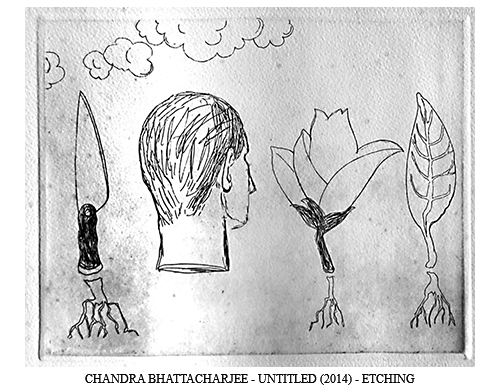
Collector’s Checklist
Before buying any artwork:
✓ Is this a unique artwork or part of an edition?
✓ If it is a print, what process was used?
✓ Is the edition clearly numbered?
✓ Is the signature handwritten?
✓ Is the documentation complete?
✓ Have I examined the work under good light?
✓ Do I understand exactly what I am buying?
Did You Know?
Many of the world’s greatest artists—including Rembrandt, Picasso, Goya, M.C. Escher, Hokusai, Henri Matisse, Salvador Dalí and Pablo Picasso—were also master printmakers. Their original prints are considered original works of art, not reproductions, and are collected by leading museums and collectors worldwide.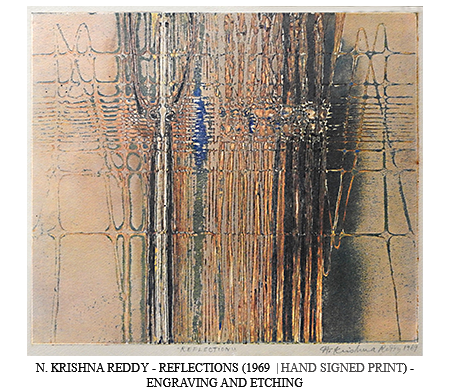
From the Gallery Desk
A collector once brought what he believed was a rare signed print by a well-known artist. The image was beautifully framed, the colours were excellent and the signature looked convincing.
Closer examination under magnification revealed that the signature was printed as part of the image rather than written separately by the artist. The ink of the signature matched the printed image perfectly, and there was no impression of graphite or pencil on the paper.
The work turned out to be a high-quality reproduction from an exhibition publication.
The collector had not made a careless mistake. He had simply never been told what to look for.
That experience reinforced an important lesson.
In collecting, knowledge is often worth far more than the artwork itself.
Most read art news
How to Tell Whether a Print Is an Original Artist-Signed Impression or a Reproduction
The Work That Begins a Collection
Aakriti Art Gallery to Launch India’s First Integrated Art Platform Combining AI Advisory, Research, Archives, Publishing, and Art Acquisition
The Monumental World Within the Ordinary
Aakriti Art Gallery Relaunches ‘GenNext’ as a Year-Round Platform for Emerging Artists