Paper, Canvas and Time
Why a work on acid-free cotton paper can outlast a cheap canvas — if light and moisture are kept in check
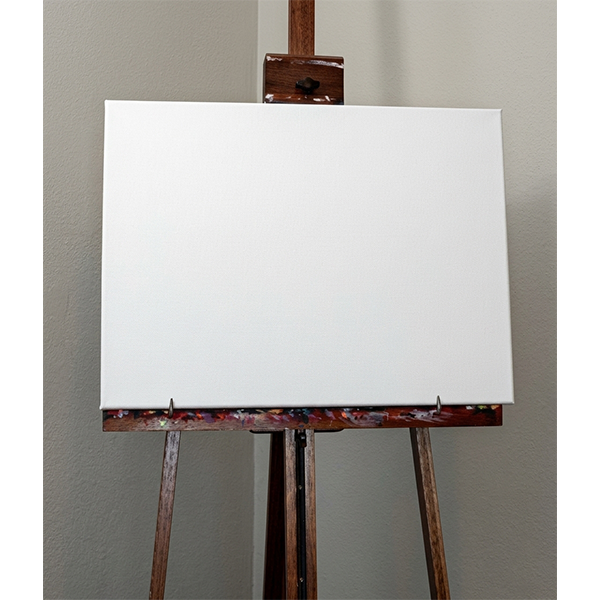
A painting on high-quality, acid-free cotton paper can last for many decades — and often a century or more — if it is properly framed behind UV-filtering glass and kept out of direct sunlight. A cheap canvas exposed to extreme moisture, rough handling or strong sun can degrade or fade far sooner.
Both statements are true. Neither is the whole story. For a new collector, the useful lesson is simpler: longevity is not guaranteed by the word “painting.” It is decided by the support, the quality of the materials, and the environment in which the work is kept.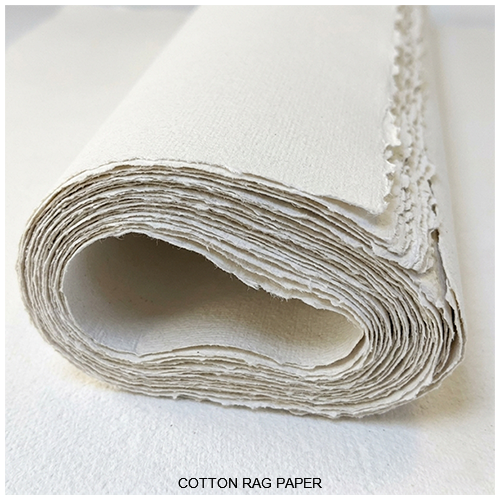
Why good paper can last
Cotton rag paper — paper made from long cotton fibres rather than ordinary wood pulp — is chemically stable when it is acid-free and lignin-free. Under museum conditions, rag paper has survived for centuries. That durability does not come from the sheet alone. It depends on what surrounds it.
Works on paper should be framed with conservation-grade materials: 100% cotton rag mat and backing, a small air gap so the surface never touches the glass, and glazing that filters ultraviolet light. Ordinary picture glass does not stop UV. Conservation or museum glazing typically blocks around 97–99 percent of it. Even then, the work should not hang in direct sun. Light damage is cumulative and irreversible. Fading, yellowing and embrittlement do not reverse once they have begun.
“Sealed behind glass” is a convenient phrase, but it should not be taken too literally. The aim of good framing is protection without trapping moisture against the surface. The glass or acrylic stands slightly away from the work; the backing is archival; the package keeps out dust and much of the ultraviolet. That combination, not glass alone, is what gives a fine sheet of cotton paper its long life.
Why a cheap canvas can fail
Canvas is not automatically more durable than paper. A well-prepared linen or good cotton canvas, properly primed and painted with stable materials, can last for generations. A poorly made canvas is another matter.
Inexpensive canvases are often thinly primed, loosely woven, or sized with materials that respond badly to humidity. In damp air the fabric expands; as it dries it contracts. That movement stresses the ground and paint layers. In extreme moisture the canvas can slack, mould can grow along the stretcher, and paint can lift or flake. Direct sun fades vulnerable pigments and weakens the fabric itself. Rough handling — leaning a work face against a wall, carrying it unprotected, knocking the corners — adds mechanical damage that cheap supports absorb less well.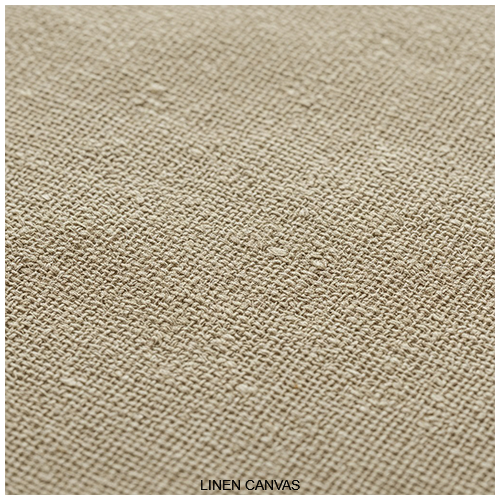
In a climate such as Kolkata’s, where humidity rises and falls through the year, these risks are not theoretical. A work that would remain stable in a dry, evenly conditioned room can suffer if it hangs on a damp exterior wall or spends years in unfiltered daylight.
The collector’s practical rule
Quality of support and quality of care work together. A modest work on good paper, framed with UV-filtering glass and kept in indirect light, will often outlast a more imposing canvas that is cheaply made and poorly housed. The reverse is also true: a fine canvas treated carelessly will not be saved by the prestige of the medium.
Before a purchase, it is worth asking a few plain questions. What is the support — cotton rag paper, good linen, commercial cotton duck, board? How is the work primed? Has it already been framed with archival materials and UV glazing, or will that have to be done after the sale? Where will it hang — away from direct sun, away from monsoon damp, away from kitchen steam and air-conditioning vents that blow cold air across the surface?
None of this requires museum conditions in a private home. It requires attention. Keep works out of direct sunlight. Prefer UV-filtering glazing for works on paper and for any canvas you choose to glaze. Avoid hanging paintings on exterior walls that sweat in humid months. Handle them by the frame or stretcher, never by the painted surface. If a work was framed many years ago, have the materials checked; old acidic boards and ordinary glass undo much of the advantage of a good sheet of paper.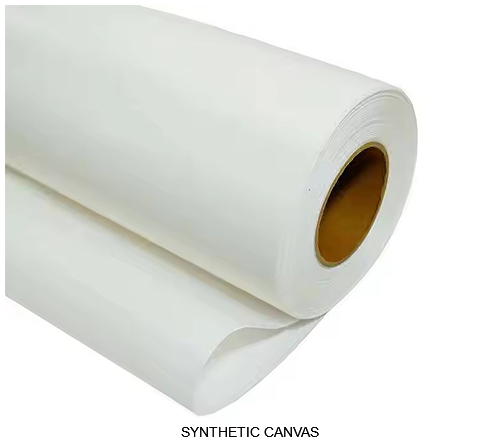
Looking beyond the first impression
Collectors often judge a work first by image, artist and price. Those things matter. So does the quiet question of what the painting is made of, and how it will be asked to live. A first acquisition that is well supported and well cared for teaches more than taste. It teaches stewardship — the habit of thinking not only about what one has bought, but about how long it can remain as the artist intended.
That habit is as useful for a small work on paper as it is for a large canvas. The medium does not decide the future of the work. The conditions around it do.
Footnotes
- Cotton rag paper is valued for the length and stability of its cellulose fibres. “Acid-free” alone is not a complete guarantee: lignin-free, stable sizing and archival framing materials are equally important.
- Conservation-grade glazing is generally specified to block at least 97 percent of ultraviolet radiation in the 300–380 nm range. Regular picture glass does not provide this protection.
- Light damage is cumulative. Even filtered daylight causes slow change; direct sun accelerates fading and weakening of both paper and canvas.
- High relative humidity (especially above about 65 percent) increases the risk of mould and of movement in canvas supports. Very low humidity can make paint and ground layers brittle. Stable conditions matter more than occasional extremes.
- Works on paper should not touch the glazing. A mat or spacer creates the necessary air gap and reduces the risk of condensation, mould and media transfer.
Most read art news
How to Tell Whether a Print Is an Original Artist-Signed Impression or a Reproduction
The Work That Begins a Collection

Aakriti Art Gallery to Launch India’s First Integrated Art Platform Combining AI Advisory, Research, Archives, Publishing, and Art Acquisition
Aakriti Art Gallery Relaunches ‘GenNext’ as a Year-Round Platform for Emerging Artists

The Monumental World Within the Ordinary