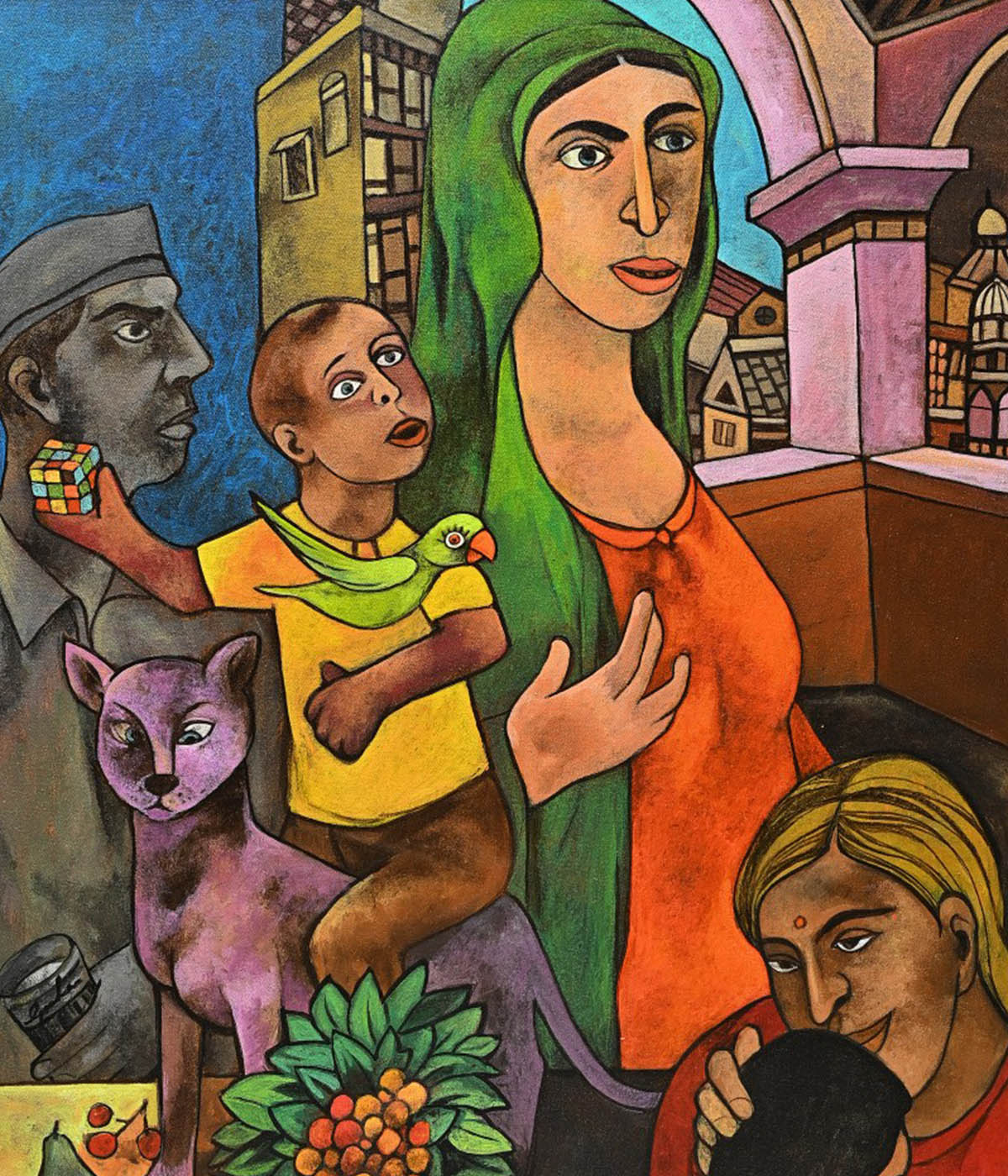
The Evolution of the Indian Art Market
From Colonial Patronage to a Global Marketplace (1850–2026)
The Evolution of the Indian Art Market
From Colonial Patronage to a Global Marketplace (1850–2026)
Chapter Abstract
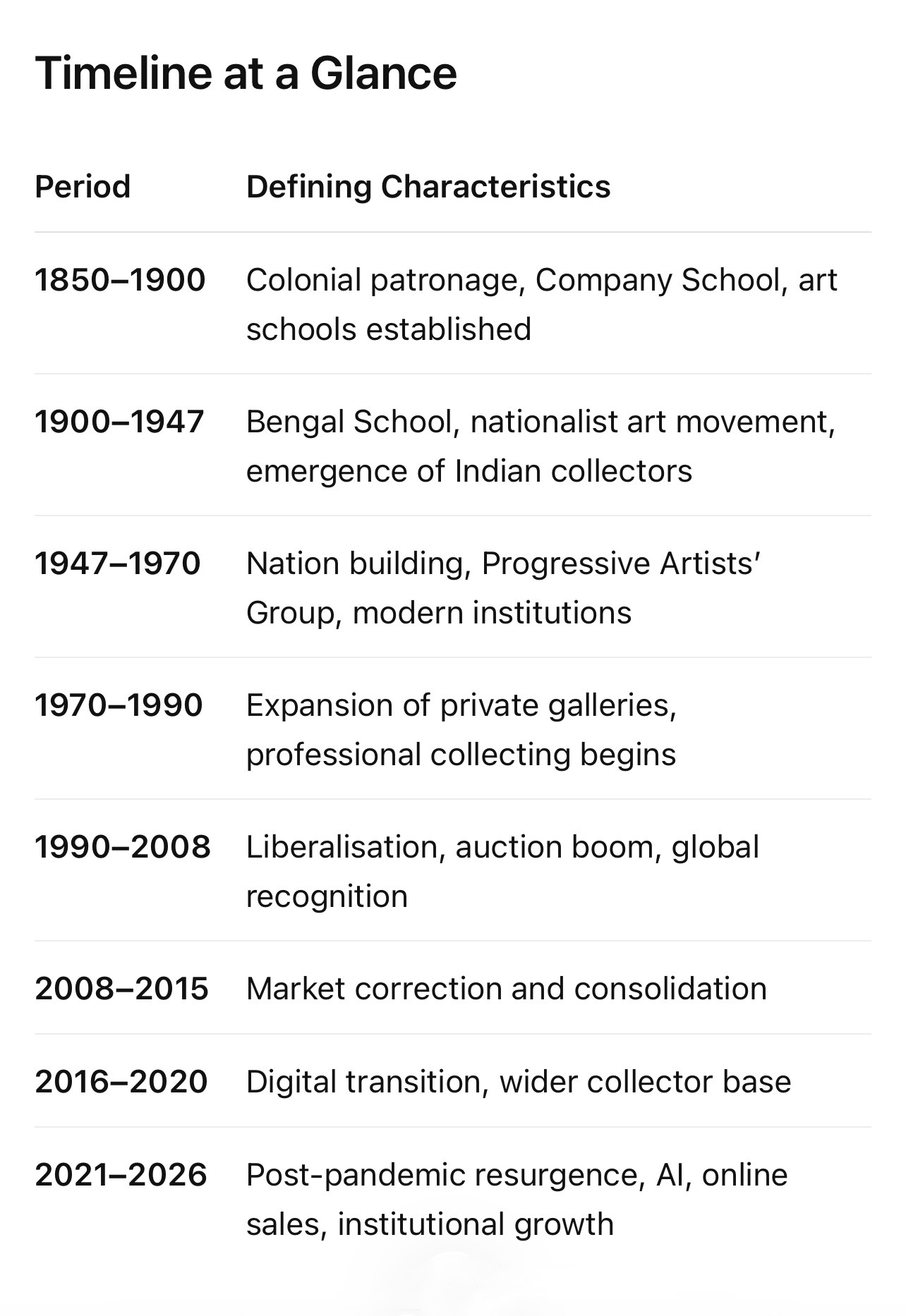
The Indian art market did not emerge overnight. It is the product of nearly two centuries of artistic practice, institutional development, changing patronage, economic liberalisation and increasing international recognition. From royal courts and colonial commissions to modern galleries, public auctions, corporate collections and digital platforms, the market has continually evolved in response to political, cultural and economic change. This chapter traces the major phases in the development of the Indian art ecosystem between the mid-nineteenth century and 2026. Rather than presenting a simple chronology of auction records, it examines the broader relationship between artists, patrons, institutions, galleries, collectors and markets that has shaped the trajectory of Indian Modern and Contemporary Art.
1. Colonial Foundations (1850–1900)
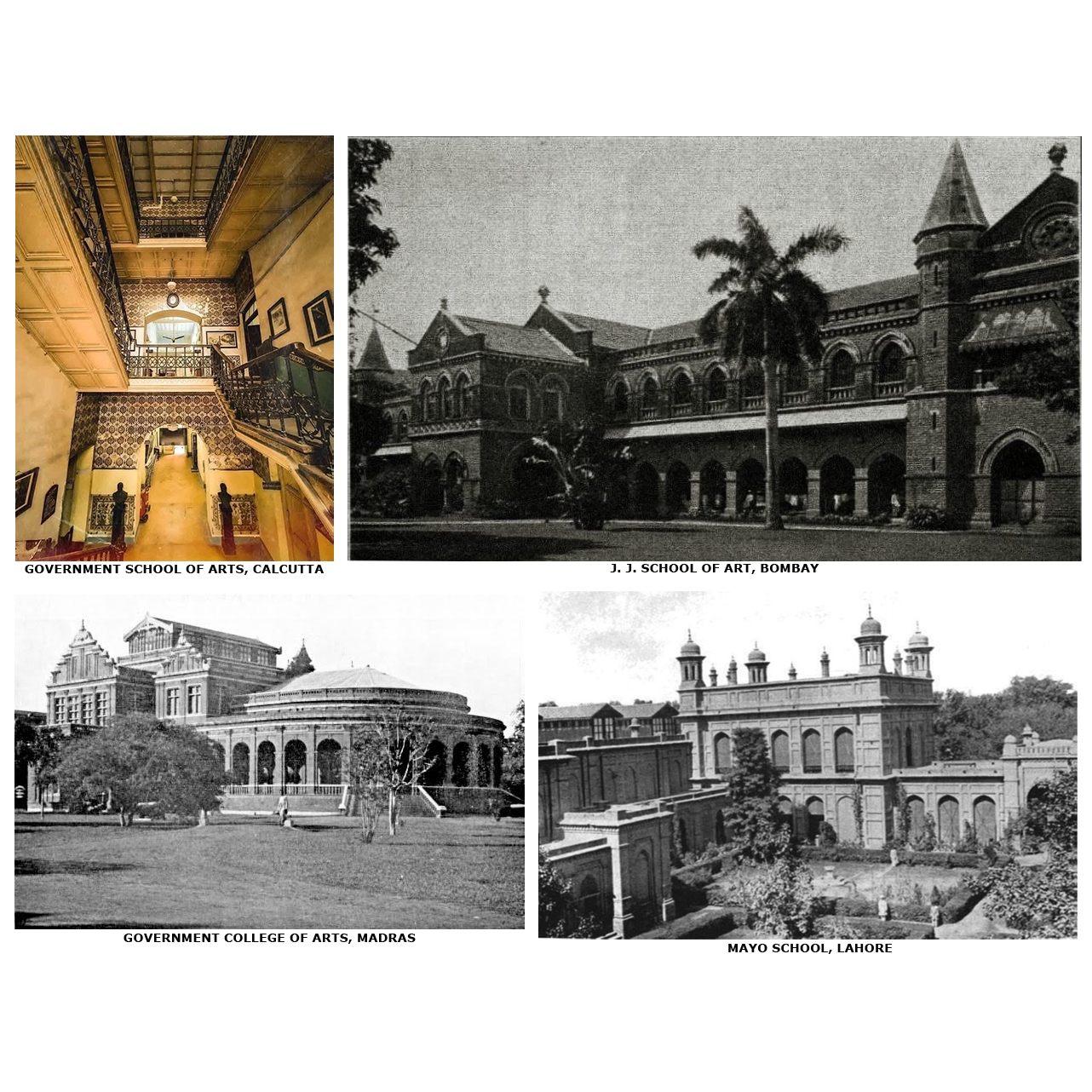
The foundations of the Indian art market were laid during the nineteenth century, although the concept of an organised art market, as understood today, did not yet exist. Patronage during this period came primarily from princely courts, wealthy merchant families, religious institutions and the colonial administration. Works were generally commissioned rather than created for open commercial sale. Artistic production was closely tied to courtly traditions, religious practices and portrait commissions. The establishment of government art schools marked a turning point. Institutions in Madras (1850), Calcutta (1854), Bombay (1857) and Lahore (1875) introduced formal academic training while also fostering debates about artistic identity under colonial rule. These schools would later produce many of the artists who shaped Indian modernism. Alongside academic training, the nineteenth century also witnessed the rise of lithographic printing, commercial presses and illustrated publications, which expanded public access to visual culture and laid the groundwork for a broader audience for art.
2. Nationalism and the Birth of a Modern Indian Art Identity (1900–1947)
The early twentieth century transformed Indian art from a largely commissioned practice into a cultural movement closely associated with questions of national identity. The Bengal School, led by figures such as Abanindranath Tagore and supported by E. B. Havell and Sister Nivedita, challenged the dominance of European academic realism and sought inspiration from Mughal, Rajput, Ajanta and East Asian artistic traditions. This period also saw the emergence of artist societies, exhibitions and early public debates on aesthetics. Private collectors began acquiring works not merely as decorative objects but as expressions of cultural identity. Commercial galleries remained few, yet the foundations of an organised art ecosystem had been established through exhibitions, publications and expanding public interest.
3. Independence and Modernism (1947–1970)
Indian independence fundamentally reshaped artistic aspirations. Artists increasingly viewed themselves not only as practitioners but also as participants in building a modern nation. The Progressive Artists’ Group, formed in Bombay in 1947, rejected both colonial academic conventions and narrow revivalism, embracing international modernism while maintaining distinctive Indian voices. The decades following independence witnessed the establishment or strengthening of institutions such as the National Gallery of Modern Art, Lalit Kala Akademi and numerous state academies. Corporate collections also began to emerge, although the market remained relatively modest compared with international standards.
4. Professionalisation of the Gallery System (1970–1990)
From the 1970s onwards, India’s commercial gallery network expanded significantly. Professional galleries began representing artists, organising solo exhibitions, publishing catalogues and cultivating relationships with collectors. Regular exhibitions replaced the earlier dependence on occasional patronage, gradually establishing a more structured primary market. Art criticism, specialised publications and public discourse also expanded during this period, helping to educate collectors and document artistic developments. Private collectors increasingly viewed artworks as long-term cultural assets rather than solely decorative acquisitions.
5. Liberalisation and the Global Market (1991–2008)
The economic reforms initiated in 1991 transformed India’s broader economy and had profound implications for the art market. Rising incomes, increasing international exposure and the growth of private wealth expanded the collector base. International auction houses entered the Indian market, while domestic auction platforms professionalised secondary-market transactions. Indian artists began receiving greater recognition at international biennales, museums and auctions. Record prices attracted new participants, including investors, corporations and non-traditional collectors. By the mid-2000s, Indian art had become firmly established within the global auction landscape.
6. Correction and Consolidation (2008–2015)
The global financial crisis brought a sharp correction to the speculative growth witnessed during the previous decade. Auction volumes declined, prices moderated and speculative buying reduced significantly. Although initially viewed as a setback, the correction ultimately encouraged greater market discipline. Collectors became more selective, galleries focused increasingly on scholarship and documentation, and greater attention was paid to provenance, authenticity and long-term artistic significance. This period helped shift the market from speculation towards sustainability.
7. Digital Transformation (2016–2020)
The second half of the 2010s witnessed rapid technological change. Online viewing rooms, digital catalogues, virtual exhibitions and social media became increasingly important tools for artists, galleries and auction houses. Digital communication broadened access to collectors beyond traditional metropolitan centres, while younger buyers entered the market through online platforms. The COVID-19 pandemic accelerated this transformation, making digital engagement an integral component of the art ecosystem rather than a supplementary activity.
8. A New Phase (2021–2026)
The years following the pandemic have been characterised by renewed confidence and structural change. Auction activity recovered strongly, institutional exhibitions expanded, and private museums continued to play an increasingly significant role in public engagement. Simultaneously, artificial intelligence, digital archives and data-driven research began reshaping how information is discovered, organised and interpreted. Collectors increasingly sought documented provenance, published references and scholarly context alongside aesthetic quality.
The Indian art market today is therefore not merely larger than it was two decades ago; it is also more informed, technologically connected and internationally visible.
The history of the Indian art market is best understood not simply as a story of rising prices, but as the gradual construction of an ecosystem. Artists, patrons, educators, galleries, museums, auction houses, collectors, publishers, researchers and policymakers have each contributed to its development.
As the market enters a new phase shaped by technology, expanding scholarship and growing international engagement, its long-term success will depend not only on commercial growth but also on continued investment in documentation, transparency and cultural stewardship.
Understanding this historical journey provides the essential context for interpreting the contemporary Indian art market and anticipating the opportunities and challenges that lie ahead.
Most read art news
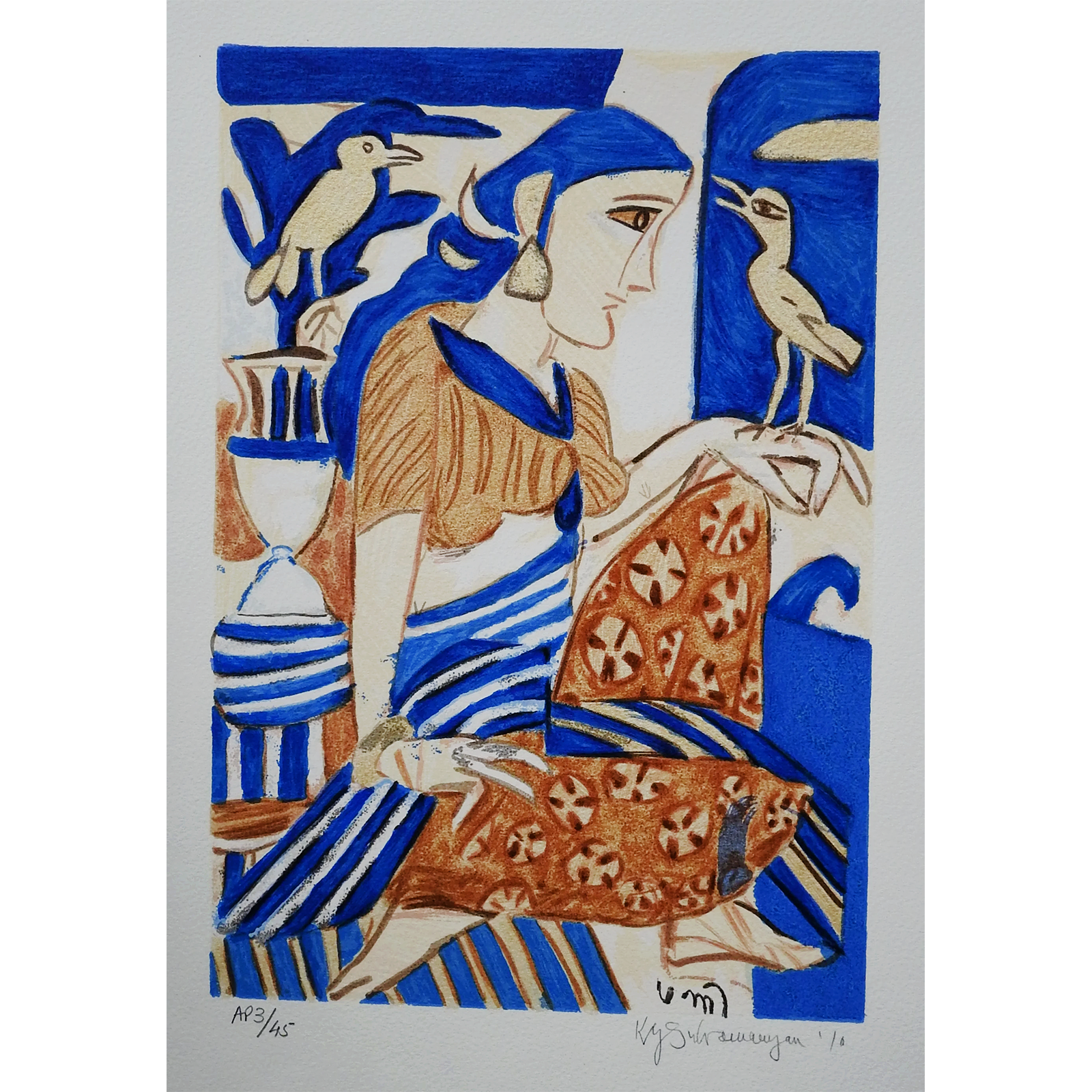
How to Tell Whether a Print Is an Original Artist-Signed Impression or a Reproduction
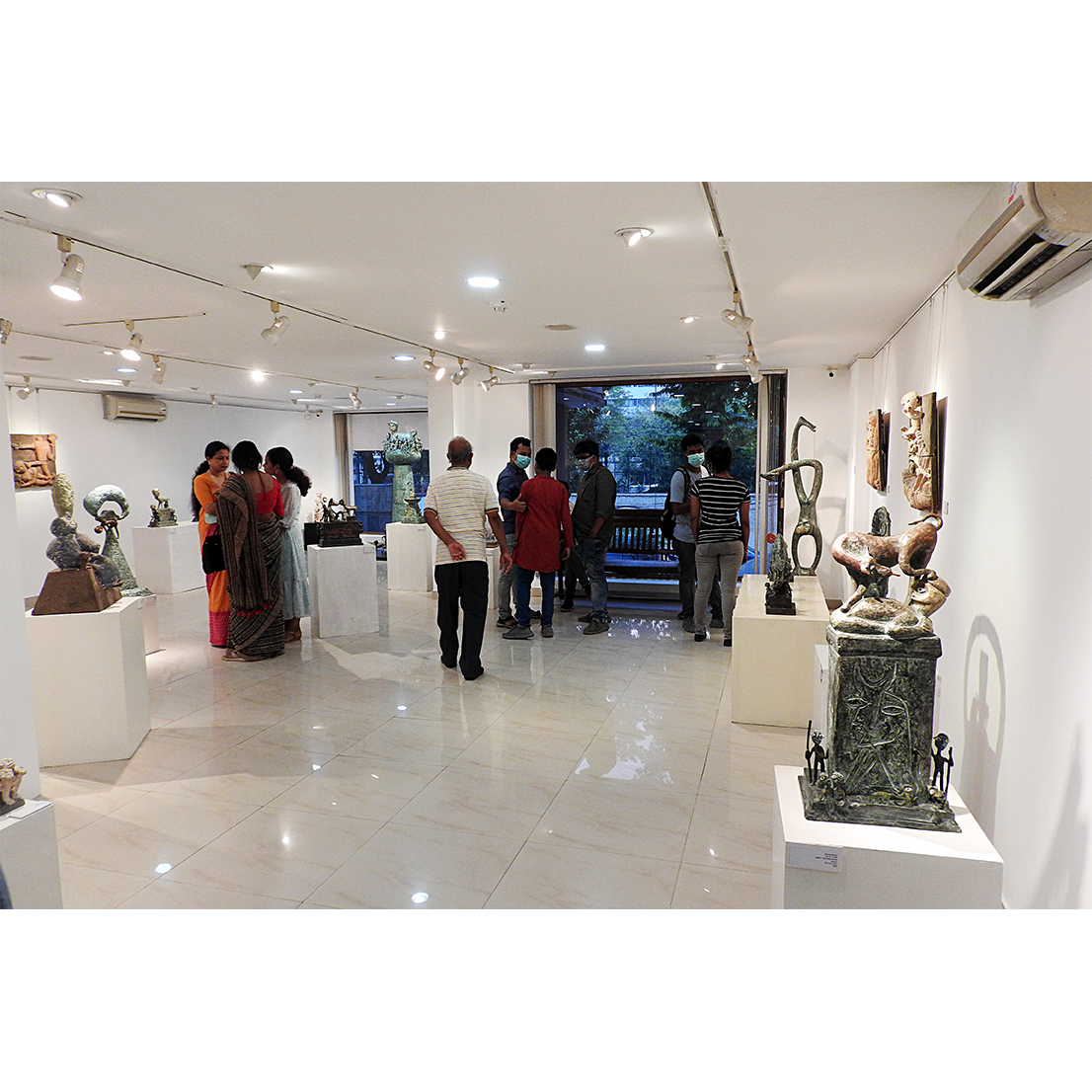
The Work That Begins a Collection
Aakriti Art Gallery to Launch India’s First Integrated Art Platform Combining AI Advisory, Research, Archives, Publishing, and Art Acquisition
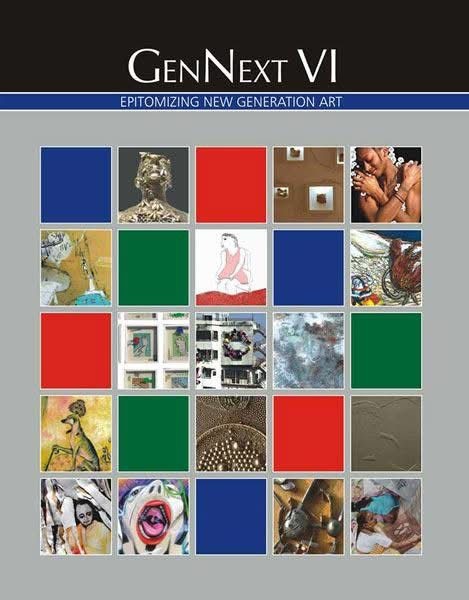
Aakriti Art Gallery Relaunches ‘GenNext’ as a Year-Round Platform for Emerging Artists
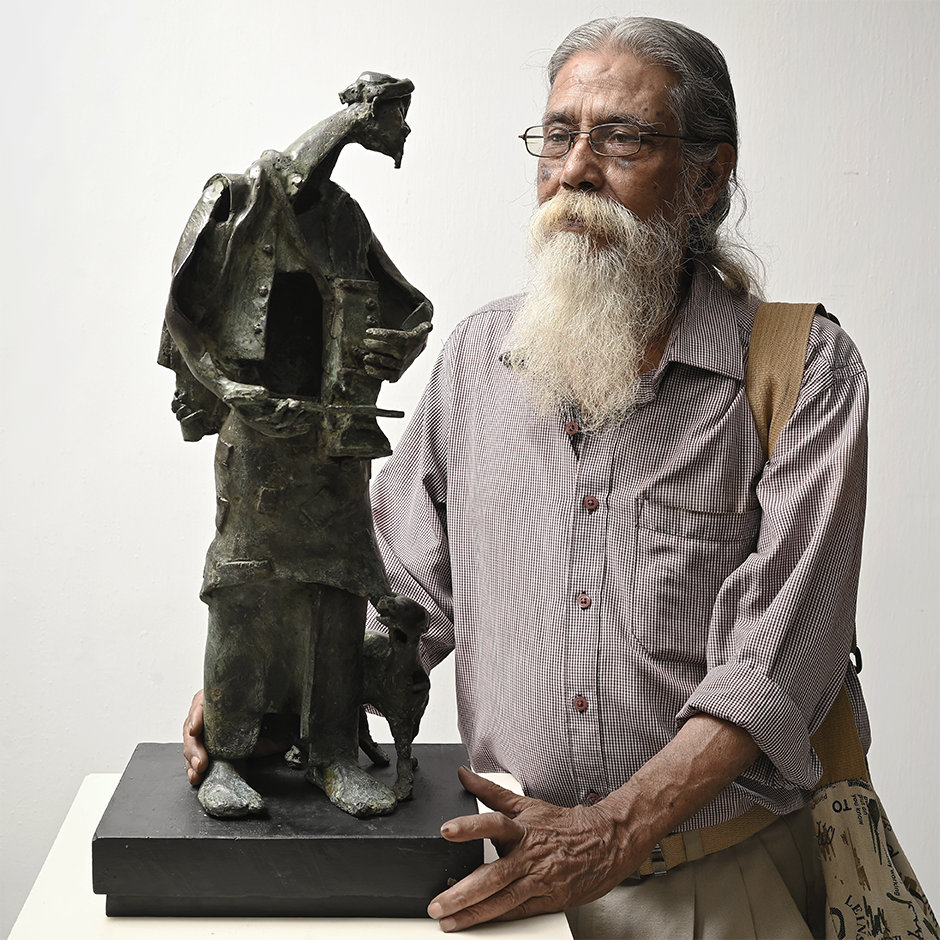
The Monumental World Within the Ordinary